
How To Create An Amazon Like Website
Learn here to create an Amazon like website

Amazon is a global giant in the world of eCommerce. With its vast product range, lightning-fast delivery, and user-first approach, it has become the go-to marketplace for millions of users across the globe. From books to electronics and groceries to clothing, Amazon has redefined how people shop online.
The rapid growth of Amazon has inspired many entrepreneurs and businesses to build similar platforms. The demand for multi-vendor marketplaces is growing at an unprecedented rate. Such platforms allow multiple sellers to list products, giving customers a variety of options while the platform owner earns through commissions or subscriptions.
If you’re wondering how to create an Amazon like website, this blog will walk you through the essential features, development process, and growth strategies needed to build a successful eCommerce marketplace like Amazon.
Key Features of an Amazon-like Website
To build a competitive and functional marketplace like Amazon, your platform must include the following core features:
Multi-vendor Functionality
Allow multiple sellers to register, list products, manage inventory, and handle orders from a dedicated vendor dashboard.
Advanced Search and Filtering
Help users find products quickly using powerful search tools and filters such as price range, brand, ratings, category, and more.
Product Management
Enable vendors to manage product listings, add descriptions, upload images, set prices, and track stock levels.
Secure Payment Gateways
Integrate secure and reliable payment options like credit/debit cards, digital wallets, net banking, and even cash on delivery.
Order and Shipping Management
Automate order tracking, shipping integrations, and delivery status updates to offer smooth logistics and tracking for buyers.
Customer Reviews and Ratings
Allow verified buyers to leave reviews and ratings. This builds trust and helps future buyers make informed decisions.
Mobile Responsiveness
Ensure the platform is mobile-friendly and works smoothly across all screen sizes for better user experience and conversions.
Admin Control Panel
Offer a powerful admin dashboard to manage vendors, monitor sales, approve listings, and oversee the entire marketplace operations.
Step-by-Step Process to Build an Amazon-like Website
a. Market Research & Niche Selection
Before you build your Amazon-like platform, research the market thoroughly.
Define your target audience: Are you serving B2B buyers, B2C shoppers, or niche enthusiasts?
Choose product categories: Will you offer a general product range like Amazon or focus on specific verticals like electronics, fashion, or eco-friendly goods?
Study competitors: Analyze top players in your niche to identify what they do well and where they fall short.
b. Choose the Right Business Model
The success of your marketplace depends heavily on your business model.
Commission-based model: You earn a percentage from every sale.
Subscription model: Vendors pay a recurring fee to use your platform.
Hybrid model: A mix of both commission and subscription for added revenue flexibility.
Additional revenue streams: Advertisements, featured listings, logistics partnerships, etc.
c. Select the Right eCommerce Marketplace Software
Now comes the technical foundation of your marketplace. You have two options:
Custom Development: Offers complete control but is expensive and time-consuming.
Ready-made Marketplace Software: Quicker, affordable, and tested solutions to launch faster.
For most startups and entrepreneurs, ready-made software is the smarter choice. It’s scalable, budget-friendly, and saves years of development time.
One such powerful solution is Yo!Kart, which is built specifically for multi-vendor eCommerce businesses.
d. Design the Marketplace for UX
A seamless and intuitive user experience can make or break your platform.
User-friendly interface: Use clear navigation, call-to-action buttons, and clean design.
Responsive design: Ensure the platform looks and functions perfectly on all devices—desktops, tablets, and smartphones.
e. Testing and Launch
Before going live, run several tests to ensure everything works as expected.
Beta testing with vendors: Invite a few vendors to use the platform and provide feedback.
Fix bugs: Address any performance issues or UI glitches.
Optimize: Improve speed, usability, and SEO-friendliness.
Best Ecommerce Marketplace Software – Yo!Kart
When it comes to choosing a ready-made software for building an Amazon-like website, Yo!Kart stands out.
Why Yo!Kart?
Multi-vendor support with separate vendor dashboards
Advanced search and filtering functionality
Scalable and customizable as your business grows
Multiple payment gateways and shipping integrations
Mobile apps for iOS and Android (available as add-ons)
Strong support and documentation
Whether you’re targeting a general or niche market, Yo!Kart provides everything you need to launch your eCommerce marketplace successfully and quickly.
Marketing & Growth Strategies
After launching your Amazon-like website, promoting it effectively is crucial for success.
SEO and Content Marketing
Optimize product pages with relevant keywords
Create helpful blog posts targeting buying guides and product comparisons
Focus on technical SEO to ensure your website ranks well
Vendor Acquisition Tactics
Offer free or low-cost vendor onboarding initially
Highlight your platform’s benefits in your outreach
Create demo videos and webinars to educate potential sellers
Customer Retention Methods
Run loyalty programs or reward systems
Send personalized emails and offers
Maintain excellent customer service
Performance Tracking Tools
Use tools like Google Analytics, Hotjar, or built-in dashboards to monitor traffic, conversions, and user behavior
Regularly assess which strategies are working and where improvement is needed
Final Thoughts
Creating a successful Amazon-like marketplace involves more than just having a great idea. It requires a combination of thorough planning, feature-rich development, smart marketing, and ongoing optimization.
As the eCommerce space continues to grow, having a scalable and robust platform becomes crucial. By choosing a ready-made solution like Yo!Kart, you not only reduce development costs but also speed up your time-to-market.
Start small, grow smart, and focus on delivering value to both your vendors and customers—and you’ll be on the path to building the next big marketplace.
About the Creator
Ellie
Hi,
I am Ellie - A research expert
Keeping my research around platforms and softwares that help in building marketplaces under different niches.
Generative AI Market Size and Forecast 2025–2033: The Technology Redefining Creativity, Productivity, and Intelligence
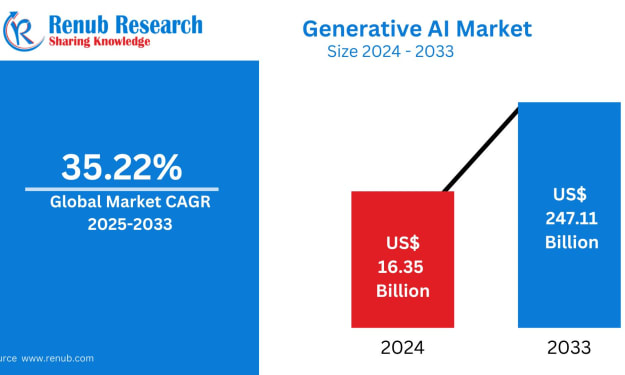
Generative AI Market Overview The Generative AI Market is expected to reach US$ 247.11 billion by 2033, expanding rapidly from US$ 16.35 billion in 2024, at a remarkable CAGR of 35.22% from 2025 to 2033. This explosive growth reflects a fundamental shift in how businesses, governments, and consumers interact with technology. No longer limited to analyzing data or predicting outcomes, generative AI systems now create—producing original text, images, videos, music, software code, and even scientific hypotheses.
By Renub Research4 days ago in 01
HubSpot Onboarding Challenges Most Teams Face Without Consulting
I still remember the day our team finally signed off on HubSpot. There was a sense of relief mixed with excitement. We believed the platform itself would fix our scattered CRM data, improve follow ups, and bring calm to our marketing chaos. No one said it out loud, but we all assumed onboarding would be simple.
By Jane Smith3 days ago in 01



Comments
There are no comments for this story
Be the first to respond and start the conversation.