
How to Choose the Best Machine Tools Supplier in the US: Key Considerations
Essential Factors to Consider When Selecting a Reliable Machine Tools Supplier for Your Business
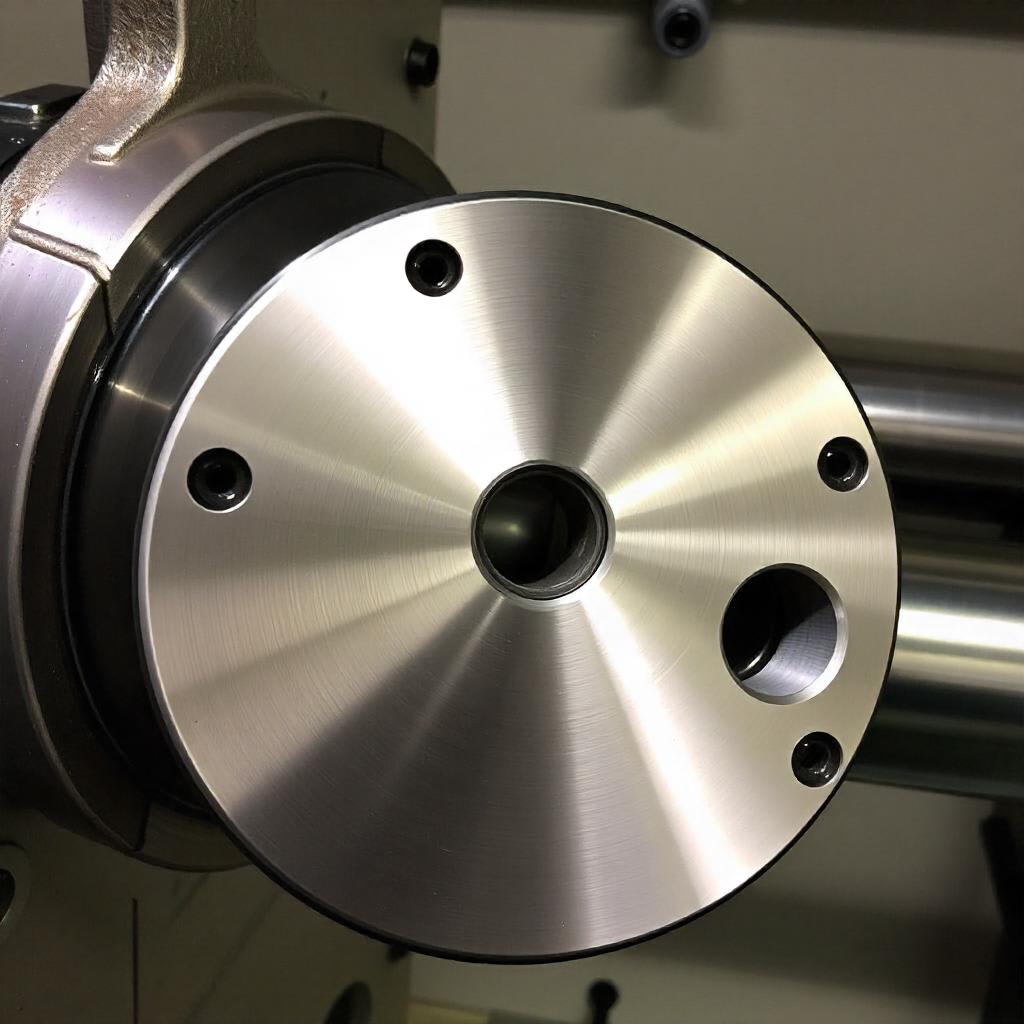
When it comes to maintaining a productive workshop, one of the most important decisions you'll make is choosing the right machine tools supplier. Whether you're in manufacturing, automotive, aerospace, or any other industry, having reliable tools is crucial to ensuring efficiency, precision, and safety. With so many suppliers out there, it can be overwhelming to know where to start. Here’s a guide to help you choose the best machine tools supplier in the United States for your business.
1. Quality and Durability of Products
The quality of machine tools can make or break your business. Low-quality tools can lead to frequent breakdowns, poor results, and safety hazards. When selecting a supplier, always ask about the quality of their products. Look for suppliers who offer tools made from durable materials, have rigorous testing processes, and provide warranties.
Key Tip: Check for certifications or reviews that indicate high-quality standards. Suppliers that work with reputable brands or have certifications like ISO 9001 are often reliable choices.
2. Range of Products and Specialization
Different industries and businesses have unique needs. A good supplier should offer a wide variety of tools, such as lathes, milling machines, drills, and CNC machines, to cater to various tasks. Some suppliers specialize in specific tools or industries, while others offer a broad range.
Key Tip: Choose a supplier whose product range matches your business needs. For example, if you specialize in aerospace, look for a supplier experienced in precision tools for that sector.
3. Customer Support and After-Sales Service
Machine tools are an investment, and you want to ensure that you have reliable customer support when you need it. A good supplier should offer comprehensive after-sales services, such as installation assistance, repair services, and ongoing technical support. This helps minimize downtime in case of issues with your equipment.
Key Tip: Test their customer service before purchasing. Call their support line or send an inquiry to see how quickly and efficiently they respond.
4. Delivery and Lead Time
In business, time is money. Choosing a supplier that offers fast delivery and short lead times can help you keep your projects on track. Ensure the supplier has a reliable logistics system in place and can deliver the tools when you need them.
Key Tip: Confirm the supplier’s delivery times and discuss any potential delays upfront to avoid disruptions in your operations.
5. Pricing and Payment Terms
While you don’t want to sacrifice quality for cost, pricing is still an important factor. Compare prices across suppliers to ensure you’re getting the best value for your money. Don’t forget to ask about payment terms, bulk discounts, or loyalty programs that may apply to your business.
Key Tip: Be cautious of suppliers that offer unusually low prices—they may cut corners in quality or service.
6. Reputation and Reviews
A supplier's reputation speaks volumes about their reliability. Look for reviews or testimonials from other businesses in your industry to get an idea of their track record. You can also ask for references directly from the supplier to get feedback from their existing customers.
Key Tip: Use online forums, review sites, or business networks to check feedback from other companies that have worked with the supplier.
7. Availability of Spare Parts and Accessories
Machines need maintenance, and the availability of spare parts can determine how quickly you can get your equipment back up and running. Choose a supplier who provides easy access to spare parts and accessories. This will save you time and money in the long run.
Key Tip: Ask about the supplier’s inventory of spare parts and their ability to fulfill orders promptly.
8. Warranty and Return Policy
A solid warranty and clear return policy are essential when investing in expensive machine tools. Make sure the supplier offers warranties that cover defects and malfunctions and be sure you understand the terms of the warranty before making your purchase.
Key Tip: Read the warranty details carefully to ensure you're fully covered in case something goes wrong.
9. Industry Experience
Suppliers with experience in your specific industry will have a better understanding of your unique needs. They will offer more customized solutions and provide expert advice on the best tools for your applications. Additionally, they are more likely to understand the challenges faced in your sector and help you overcome them.
Key Tip: Look for suppliers who have been in the industry for several years and have proven expertise in providing solutions tailored to businesses like yours.
10. Sustainability and Environmental Considerations
With growing concerns about sustainability, it's essential to choose a machine tools supplier who takes environmental factors into account. Look for suppliers who adhere to sustainable practices, such as reducing energy consumption, minimizing waste, and using eco-friendly materials.
Key Tip: Ask your supplier about their sustainability practices and check if they offer energy-efficient tools.
Conclusion
Choosing the best machine tools supplier in the US requires careful consideration of several factors. By focusing on quality, customer service, industry experience, and reliability, you can find a supplier who will support your business for years to come. Take the time to do your research, compare your options, and choose a supplier who can meet both your current and future needs.
With the right supplier on your side, your business can thrive, reduce downtime, and improve productivity.
About the Creator
U S Shop tools
USShoptools.com is metalworking supplies & machine shop tools manufacturer
Product:: Lathe or Mill Workholding, Toolholding, Measuring, Cutting Tools, Abrasives like round soft jaws, vise jaws, lathe, end mills, drill, cutters, saws, etc.
Keep reading
More stories from U S Shop tools and writers in 01 and other communities.
Soft Jaws for Lathes: What They Are and Why They Matter in Precision Machining
When working with a lathe, one tool that can make all the difference in your work is soft jaws. If you’re new to machining or simply looking to understand the basics, you might be wondering: what are soft jaws, and why do they matter so much in precision machining? Let’s break it down in simple terms.
By U S Shop toolsabout a year ago in 01
iPhone 18: Everything We Know So Far (When is The iPhone 18 Coming Out)
So here’s the big headline right out of the gate: the iPhone 18 is coming — just not when most people expect. Forget 2026. According to the latest leaks and industry chatter, Apple’s next regular iPhone refresh won’t land until early 2027.
By Info Post Gate5 days ago in 01
Understanding Retractable Fly Screens for Doors and Windows
Retractable fly screens have become an increasingly common feature in modern residential and commercial buildings, particularly in regions where ventilation is essential but insects and airborne debris are an ongoing concern. Unlike fixed mesh screens, retractable fly screens are designed to be discreet, flexible, and adaptable to different architectural styles. This article explores how retractable fly screens for doors and windows work, their variations, and why they are widely used across Australia and similar climates.
By charliesamuel3 days ago in 01



Comments
There are no comments for this story
Be the first to respond and start the conversation.