
How to Care for Your Orthotic Insoles to Make Them Last
Proper Maintenance of Orthotic Insoles: Essential Tips for Longevity

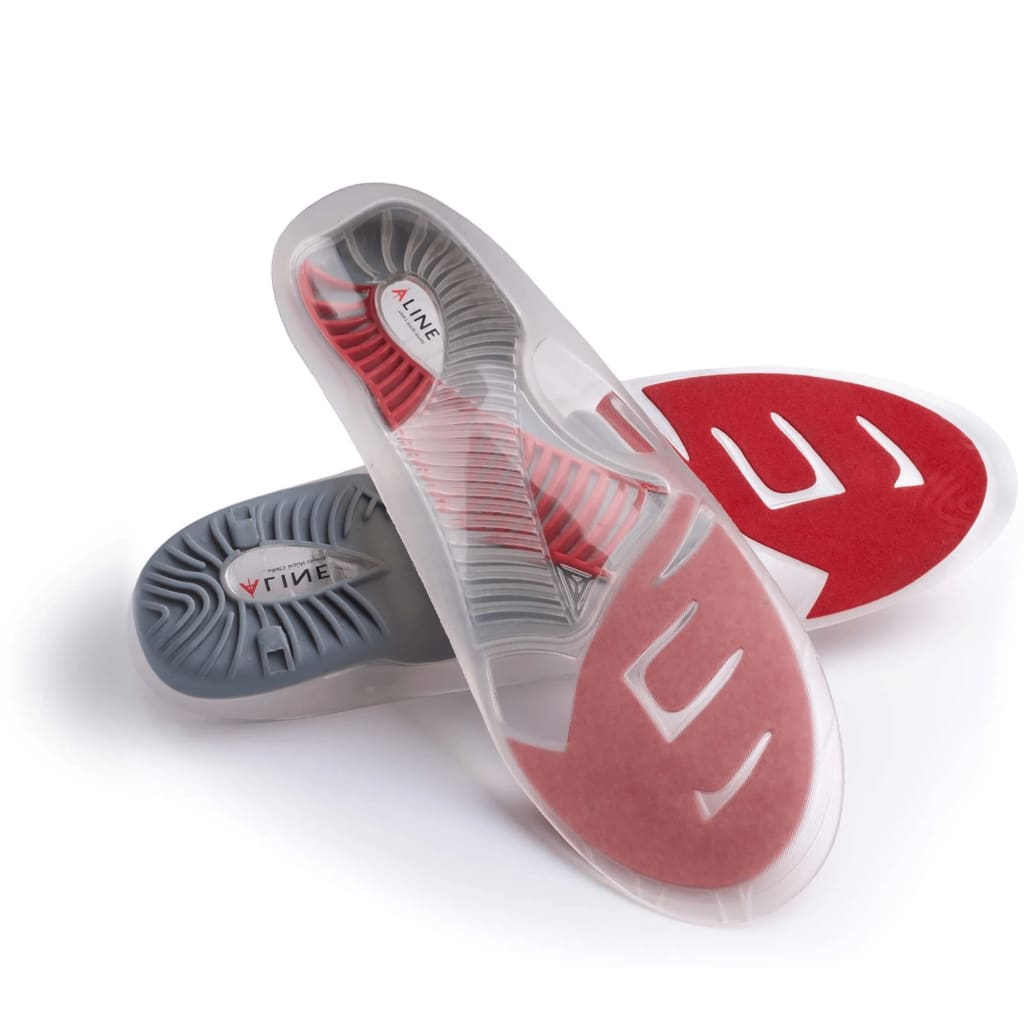
Orthotic insoles are essential for improving foot comfort, posture, and overall well-being. To ensure they continue to provide these benefits over time, it’s important to take proper care of them. Here’s a guide on how to extend the lifespan of your orthotic insoles, keeping your feet healthy and your shoes in optimal condition.
Understanding Orthotic Insoles
Orthotic insoles are custom or over-the-counter inserts designed to support and align the feet. They come in various shapes, materials, and sizes, tailored to address specific foot problems. Regular use of orthotic insoles can improve posture, alleviate pain, and even correct foot alignment. Knowing how to care for these insoles ensures their longevity and effectiveness.
Clean Your Insoles Regularly
Proper cleaning of orthotic insoles is vital to prevent odor, bacteria, and dirt buildup. Gently remove the insoles from your shoes and wipe them down with a damp cloth. For deeper cleaning, use mild soap and water, avoiding harsh chemicals that can damage the material. Ensure the insoles dry completely before placing them back in your shoes.
Avoid Excessive Moisture
Excess moisture can degrade the material of your orthotic insoles, causing them to lose their effectiveness. Avoid wearing them in extremely wet conditions or walking through puddles. If your insoles get wet, allow them to dry naturally, away from direct heat sources like radiators or hairdryers, as heat can warp and weaken the materials.
Rotate Between Multiple Pairs
To prolong the life of your orthotic insoles, rotate between different pairs of shoes. Constant wear on a single pair of shoes with the same insoles can cause the insoles to wear out quickly. By switching between shoes, you give your orthotic insoles time to recover from daily stress and pressure.
Store Insoles in a Dry Place
When you're not using your orthotic insoles, store them in a cool, dry place. Avoid leaving them in shoes that are exposed to damp or humid environments. Prolonged exposure to moisture can lead to mold or mildew growth, damaging both the insoles and your shoes. A dry, ventilated space will help preserve their shape and functionality.
Be Mindful of Weight and Activity Level
If you’re engaging in high-impact activities, such as running or hiking, it’s essential to be mindful of the additional strain on your orthotic insoles. Over time, heavy use in demanding activities can break down the materials. For those with flat feet or other foot conditions, consider opting for more durable insoles designed to withstand high-impact activities, or look for "shoe inserts for flat feet" specifically tailored for this purpose.
Replace Insoles When Necessary
Orthotic insoles aren’t meant to last forever, and they do wear out over time. A good rule of thumb is to replace them every one to two years, depending on usage and the materials used. If your insoles start to show signs of wear, such as cracks, thinning, or loss of cushioning, it's time to invest in a new pair.
Use Insoles Only in the Right Shoes
Orthotic insoles are designed to fit specific shoe types. Using them in shoes that don’t support their structure or design can reduce their effectiveness. Make sure to place your orthotic insoles in shoes that provide the necessary space and structure. Wearing them in shoes that are too tight can cause discomfort and affect their performance.
Protect Insoles from Harsh Conditions
Harsh environmental conditions, such as extreme heat or cold, can damage your orthotic insoles. If you live in an area with fluctuating temperatures, consider taking the insoles out of your shoes when not in use, especially if you leave your shoes outside or in an unprotected area. This simple step can prevent long-term damage to your insoles.
Avoid Using Insoles in Old or Worn-Out Shoes
Old or worn-out shoes that no longer provide proper support can reduce the effectiveness of orthotic insoles. If the shoes have lost their structural integrity, they may not provide the right foundation for your insoles to function properly. Always pair your orthotic insoles with shoes that are still in good condition and offer adequate support.
Customizing Your Insoles for Maximum Comfort
Many orthotic insoles come with options for customization, such as trimming to fit or adjusting the arch height. If you’re unsure of the best way to customize your insoles, consult with a professional. Making sure your insoles fit properly and provide the right support is essential for extending their lifespan and enhancing comfort.
Consider Professional Cleaning Services
For those who prefer a more thorough clean, consider seeking professional cleaning services for your orthotic insoles. Professional services can often offer specialized techniques that maintain the integrity of the materials, especially for more expensive or high-tech insoles. It can be a worthwhile investment to ensure your insoles last as long as possible.
Check for Odors and Bacteria
Bacteria and odors can develop on orthotic insoles over time, especially if they aren’t cleaned regularly. To combat this, consider using odor-absorbing insoles or sprays that are designed to neutralize unpleasant smells. If you're struggling to find shoe inserts near me that offer antibacterial properties, search online for specialized products that meet your needs.
How Often Should I Replace My Orthotic Insoles?
Orthotic insoles should typically be replaced every 12 to 18 months. However, if you notice discomfort, wear and tear, or a decrease in performance, it may be time to replace them sooner. Keeping track of your usage will help ensure you maintain optimal foot health.
Can I Use Orthotic Insoles in All Types of Shoes?
Orthotic insoles are versatile and can be used in many types of shoes, but it’s important to ensure that the shoe provides proper support. They fit best in shoes that have removable insoles and enough room to accommodate them without causing discomfort.
How Do I Know If My Orthotic Insoles Are Still Working?
If your orthotic insoles are still providing comfort and support without any visible signs of damage, they are likely still effective. However, if you experience foot pain, instability, or excessive wear on the insoles, it might be time for a replacement.
About the Creator
Keep reading
More stories from alineinsoles and writers in 01 and other communities.
Can Night Vision Cameras Work in Complete Darkness? Here’s the Answer
Night vision technology has come a long way, with innovations enabling enhanced visibility even in low-light conditions. But a common question arises: can night vision cameras operate in complete darkness? Below, we explore this in depth, along with how this applies to technologies like rear view mirror camera and car dash cams.
By alineinsolesabout a year ago in 01
Google Billionaire Larry Page Snaps Up 2 Miami Mansions for $173 Million
Billionaire and Google co-founder Larry Page has shelled out more than $173 million in recent weeks, snapping up a pair of luxury estates tucked deep within Miami's discreet Coconut Grove enclave. Page made the high-dollar moves as speculation intensified over his broader departure from California, where a proposed ballot measure targets billionaires with a sweeping one-time wealth tax.
By Dena Falken Esq3 days ago in 01




Comments
There are no comments for this story
Be the first to respond and start the conversation.