
Can Night Vision Cameras Work in Complete Darkness? Here’s the Answer
Exploring the Limits of Night Vision Technology: Can Cameras Really See in Total Darkness?

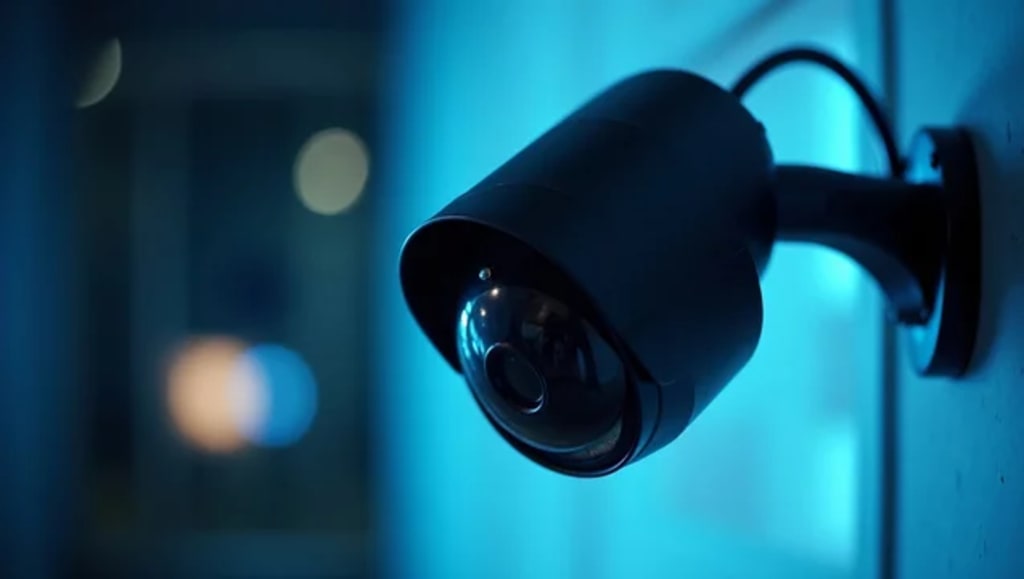
Night vision technology has come a long way, with innovations enabling enhanced visibility even in low-light conditions. But a common question arises: can night vision cameras operate in complete darkness? Below, we explore this in depth, along with how this applies to technologies like rear view mirror camera and car dash cams.
How Do Night Vision Cameras Work?
Night vision cameras operate by capturing and amplifying any available light. Standard models rely on infrared (IR) light, which is invisible to the human eye. The sensors detect this light and convert it into an image, enhancing visibility in dark environments. This means that without any ambient light, night vision might be limited, but there are solutions to achieve vision even in complete darkness.
Infrared Technology and Its Role in Night Vision
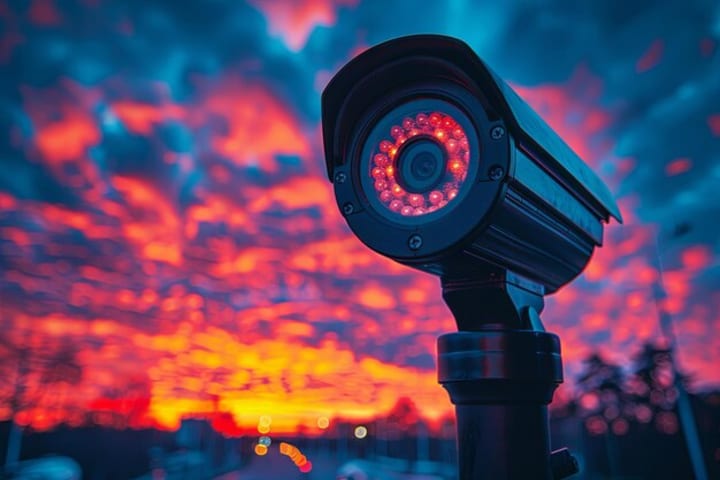
Infrared (IR) technology is the backbone of most night vision cameras. These devices emit infrared light that bounces off objects in front of them. The camera’s sensors detect the reflected IR light, making it possible to capture a clear image. IR-based night vision is helpful, especially in rear view mirror cameras, enabling drivers to see behind them when reversing in poorly lit areas.
Types of Night Vision Cameras: Active and Passive Infrared
Night vision cameras are often categorized into active and passive infrared. Active infrared night vision cameras emit their own IR light to create an image, ideal for complete darkness. Passive IR cameras, on the other hand, rely on ambient IR light from the surroundings. Active IR systems, including some high-end car dash cams, work in pitch black by generating the needed IR light.
Can Night Vision Cameras Truly Work in Complete Darkness?
Yes, night vision cameras can work in complete darkness if equipped with active infrared capabilities. Active IR cameras emit their own infrared light, illuminating the area even when there’s no visible light. This capability is especially useful in a car dash cam for recording footage on dark roads or in rural areas without street lighting.
Infrared Illumination: How It Enables Night Vision in Complete Darkness
Infrared illumination works similarly to how a flashlight helps us see in the dark, but it’s invisible to the human eye. In complete darkness, an IR-enabled night vision camera emits its own infrared light, illuminating the area so that the camera can “see” and capture images. Many rear view mirror cameras also use infrared LEDs for this reason, providing visibility without disturbing human vision.
Thermal Imaging vs. Infrared Night Vision: What’s the Difference?
Thermal imaging and infrared night vision are distinct technologies. While infrared night vision cameras rely on IR light to create an image, thermal imaging cameras detect heat signatures emitted by objects. Thermal imaging does not require light and works even in total darkness, making it advantageous for certain applications. However, it’s less common in car dash cam and rear view mirror cameras due to cost and different requirements.
How Rear View Mirror Cameras Utilize Night Vision
Rear view mirror cameras often include infrared LEDs to support night vision capabilities. This allows drivers to have a clear view of what’s behind them, even in dark conditions. When reversing or parking in poorly lit areas, a night vision-enabled rear view mirror camera provides an extra layer of safety by illuminating potential hazards in the camera’s view.
Advantages of Night Vision in Car Dash Cams
Night vision in car dash cams is essential for recording clear footage in low-light or dark conditions. IR LEDs in these cameras allow them to capture crisp images at night, which can be crucial for accident documentation and security. With active IR technology, car dash cams can record footage in pitch-dark environments, ensuring safety and evidence gathering around the clock.
Limitations of Night Vision in Complete Darkness
Although night vision cameras can operate in complete darkness, they have limitations. For instance, infrared illumination has a limited range, so objects at a distance may not be clearly visible. This can affect both rear view mirror cameras and car dash cams, as IR light diminishes with range, making distant objects harder to detect.
Power Requirements for Night Vision in Darkness
Night vision cameras typically require more power to operate infrared illumination in complete darkness. This is particularly relevant for car dash cams, which often rely on the vehicle's battery. In complete darkness, the power drain can be higher, especially if the camera is constantly recording using IR illumination. Understanding power requirements is essential for optimal usage.
Does Night Vision Affect the Battery Life of Car Dash Cams?
Yes, the use of night vision can impact the battery life of car dash cams. Infrared illumination drains additional power, meaning a car dash cam with night vision might deplete the battery faster. Some advanced models have power-saving features, while others rely on wired power sources to maintain functionality, even during extended periods of night vision recording.
Applications of Night Vision Beyond Security
Night vision technology extends beyond security, benefiting various fields such as wildlife observation, navigation, and outdoor sports. For example, car dash cams with night vision capabilities can record wildlife crossing rural roads at night, providing insights for drivers and researchers. Similarly, rear view mirror cameras help drivers safely navigate remote areas without lighting.
Future Trends in Night Vision Technology for Vehicles
Advances in night vision technology focus on enhancing the capabilities of car dash cams and rear view mirror cameras. As technology develops, cameras are expected to have more effective infrared illuminators, improved power efficiency, and enhanced resolution, enabling clear visibility over greater distances. These improvements will benefit users by providing safer, clearer night-time vision.
FAQs
Are there night vision cameras that work without infrared?
Some night vision cameras rely on ambient light amplification rather than infrared. However, in complete darkness, these cameras cannot operate effectively without IR assistance. Car dash cams and rear view mirror cameras commonly use IR to ensure visibility in total darkness.
What’s the range of infrared illumination in night vision cameras?
Infrared illumination range varies, but typically extends up to 30 meters. Rear view mirror cameras and car dash cams often have IR ranges suited for short to medium distances, ideal for close-range visibility needed in driving and parking.
Can night vision cameras detect movement in the dark?
Yes, night vision cameras can detect movement in the dark if equipped with motion sensors and active IR technology. This is beneficial for car dash cams used in parking mode, as they can capture events or potential break-ins even in complete darkness.
About the Creator
Keep reading
More stories from alineinsoles and writers in 01 and other communities.
Boosting SEO with Guest Posts and Citation Backlinks
Guest posting and citation backlinks are popular techniques used in SEO (Search Engine Optimization) to improve website authority, traffic, and search engine rankings. Here’s an overview of each and how they work in digital marketing:
By alineinsolesabout a year ago in 01
How to Choose the Best Mobile App Development Company in Canada 2026
Choosing the right app development partner in 2026 isn’t just a procurement decision—it’s a strategic move that can define whether your digital product scales or stalls. The Canadian tech ecosystem has matured rapidly, with agencies offering everything from rapid MVP builds to enterprise-grade platforms powered by AI and cloud-native architectures.
By alan michaela day ago in 01
Replica Designer Handbags and Luxury Designer Purses: A Cultural Perspective
Handbags are among the most consistently used personal items in modern life. While often discussed in relation to fashion, their significance extends far beyond visual appeal or brand recognition. Handbags function as everyday tools, supporting routine activities such as work, travel, and social engagement. Within this broader context, conversations around Replica Designer Handbags and Luxury Designer Purses reflect changing attitudes toward access, value, and practicality rather than simple questions of trend or status.
By charliesamuel6 days ago in 01


Comments
There are no comments for this story
Be the first to respond and start the conversation.