
How to Calculate Conversion Rate - A Simple Guide
Want to understand conversion rate, This article will provide you simple guide that how to calculate conversion rate and optimize your business

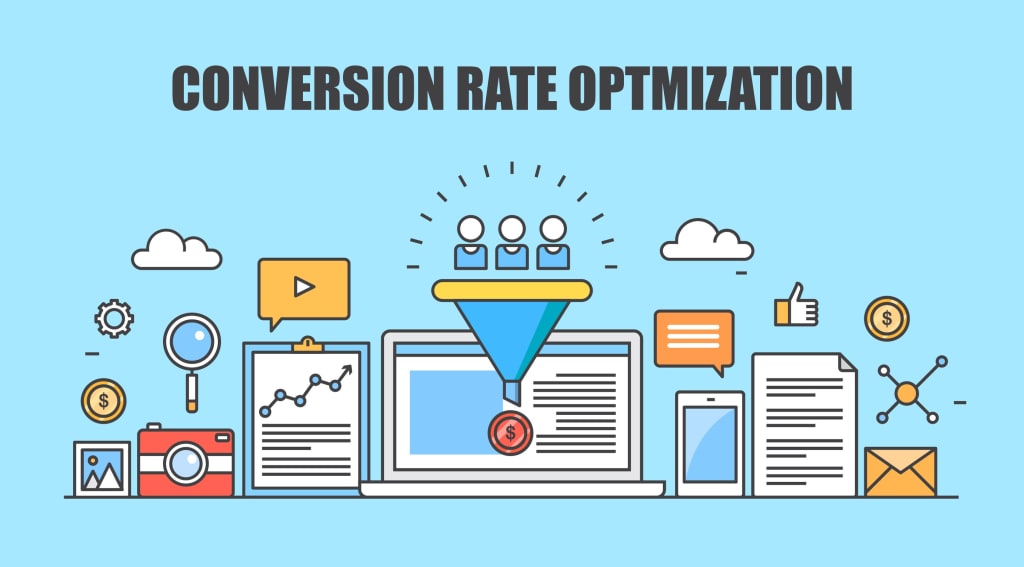
In today's digital age, measuring the success of your online business is crucial. One of the key metrics that every business owner should understand is conversion rate. Conversion rate is a powerful indicator of how effectively your website is turning visitors into customers. Whether you're new to online marketing or looking to enhance your understanding of conversion rate, this article will provide a simple guide to calculate and optimize conversion rate for your business.
Introduction
As an online business owner, your ultimate goal is to drive conversions. Conversion rate measures the percentage of website visitors who complete a desired action, such as making a purchase, signing up for a newsletter, or filling out a form. Understanding and optimizing your conversion rate is crucial to the success of your online business.
Understanding Conversion Rate
Conversion rate is a key performance indicator (KPI) that helps you evaluate the effectiveness of your marketing efforts. It reveals how well your website is performing in terms of converting visitors into customers. A high conversion rate indicates that your website is successful in persuading visitors to take the desired action.
Why is Conversion Rate Important?
Conversion rate is an essential metric for several reasons. Firstly, it helps you measure the return on investment (ROI) of your marketing campaigns. By tracking your conversion rate, you can identify which campaigns are generating the most conversions and allocate your resources accordingly.
Secondly, conversion rate provides insights into the user experience and effectiveness of your website. If your conversion rate is low, it may indicate that there are issues with your website's design, messaging, or navigation that need to be addressed.
Lastly, the conversion rate is directly linked to your business's revenue and profitability. A higher conversion rate means more customers, more sales, and ultimately, more revenue for your business.
Calculating Conversion Rate
Calculating the conversion rate is a simple process. To determine your conversion rate, follow these steps:
Identify the desired action: Determine the specific action you want visitors to take on your website, such as making a purchase or filling out a contact form.
Set a time period: Choose a specific time frame for measuring your conversion rate. It could be a day, a week, a month, or any other suitable duration.
Gather data: Use website analytics tools like Google Analytics to collect data on the number of visitors to your website and the number of conversions during the chosen time period.
Calculate the conversion rate: Divide the number of conversions by the total number of visitors and multiply by 100 to get the conversion rate percentage.
Factors Affecting Conversion Rate
Several factors can influence your conversion rate. It's important to consider these factors and optimize them to maximize your conversion rate:
Website design and usability: Ensure that your website is visually appealing, easy to navigate, and user-friendly. A well-designed website can significantly improve the user experience and encourage conversions.
Call-to-action (CTA): Use compelling and persuasive CTAs throughout your website to prompt visitors to take action. Your CTAs should be clear, concise, and placed strategically to grab attention.
Page load speed: A slow-loading website can lead to higher bounce rates and lower conversion rates. Optimize your website's speed to ensure a smooth and seamless user experience.
Trust and credibility: Build trust with your audience by showcasing testimonials, customer reviews, trust seals, and security badges. Instilling confidence in your visitors can positively impact your conversion rate.
Tips to Improve Conversion Rate
Here are some effective strategies to boost your conversion rate:
A/B testing: Experiment with different variations of your website's elements, such as headlines, CTAs, colors, and layouts. A/B testing helps you identify which version performs better and drives higher conversions.
Clear value proposition: Clearly communicate the unique value and benefits your products or services offer. Highlight how they solve your customers' problems or meet their needs.
Mobile optimization: With the increasing use of mobile devices, it's crucial to ensure your website is optimized for mobile users. Responsive design and mobile-friendly features enhance the user experience and increase the chances of conversions.
Streamlined checkout process: Simplify your checkout process to reduce friction and make it easier for customers to complete their purchase. Remove unnecessary steps and provide clear instructions throughout the process.
The Role of Digital Marketing Solutions
To drive conversions and maximize your conversion rate, leveraging internet marketing solutions is crucial. Internet marketing encompasses various strategies, including search engine optimization (SEO), social media marketing, email marketing, content marketing, and paid advertising.
Digital marketing solutions help you reach your target audience, build brand awareness, and drive traffic to your website. By implementing effective internet marketing strategies, you can increase your chances of attracting qualified leads and converting them into paying customers.
The Importance of SEO Service Providers Agency
Among the various internet marketing strategies, search engine optimization (SEO) plays a vital role in improving your website's visibility and driving organic traffic. SEO service providers specialize in optimizing your website's content, structure, and performance to rank higher in search engine results.
By partnering with an experienced SEO service provider, you can benefit from their expertise and stay ahead of your competition. They can help you identify relevant keywords, optimize your website's on-page and off-page elements, and implement strategies to improve your search engine rankings and increase organic traffic.
Conclusion
Calculating and optimizing your conversion rate is essential for the success of your online business. By understanding the concept of conversion rate, measuring it accurately, and implementing effective strategies to improve it, you can increase your chances of converting website visitors into loyal customers. Remember to continually monitor your conversion rate and adapt your marketing efforts based on the insights gained.
FAQs
What is conversion rate?
Conversion rate measures the percentage of website visitors who complete a desired action, such as making a purchase or filling out a form.
How do I calculate conversion rate?
To calculate conversion rate, divide the number of conversions by the total number of visitors and multiply by 100.
What factors affect conversion rate?
Factors like website design, usability, call-to-action, page load speed, and trust and credibility can impact conversion rate.
How can I improve my conversion rate?
You can improve your conversion rate through A/B testing, clear value proposition, mobile optimization, and a streamlined checkout process.
Why is SEO important for conversion rate optimization?
SEO helps improve your website's visibility and organic traffic, attracting qualified leads and increasing the chances of conversions.
About the Creator
Vaibhav Pandya
Vaibhav Pandya is the Chief Operating Officer (COO) and Senior Contributing Editor at IndyLogix - Digital Marketing Agency, where he has spent 9+ years growing the organization and establishing it as a credible market leader.
Keep reading
More stories from Vaibhav Pandya and writers in 01 and other communities.
Key Steps for Building Strong Brand & Customer Relationships
In today's competitive business landscape, building strong brand/customer relationships is crucial for long-term success. As a business owner or marketer, it's essential to focus on establishing a solid connection with your target audience. By implementing effective strategies, you can cultivate trust, loyalty, and advocacy among your customers. This article will outline key steps to help you build strong brand/customer relationships, with a particular emphasis on the role of an internet marketing agency and organic SEO agency.
By Vaibhav Pandya3 years ago in 01
Candace Owens pushes theory Charlie Kirk was 'time traveller' who went to 'X-Men school'
In a recent episode of her podcast, Candace Owens said Charlie Kirk told her he was a “time traveler” who was sent to “X-Men school,” and alleged he was monitored since childhood.
By Dena Falken Esq6 days ago in 01
How a Web Development Company in India Builds CMS eCommerce Sites?
The first CMS-based eCommerce project I watched unfold didn’t start with technology at all. It started with confusion. The client wanted an online store, a blog, marketing pages, and the ability to change everything without calling a developer every week. The development team didn’t argue platforms or frameworks. They asked questions—lots of them. That moment stuck with me because it explained how many teams in India actually approach CMS eCommerce work.
By Jane Smith3 days ago in 01



Comments
There are no comments for this story
Be the first to respond and start the conversation.