
How to Build a Custom Social Trading Platform
Learn the essentials of social trading platform creation and use this knowledge to build a convenient and powerful solution.


You’re aiming to build a platform where users can share their trades, follow standout performers, and even replicate strategies as they happen—but as soon as you start designing the social features, everything starts to feel underwhelming?
Here’s the thing: traders aren’t typical social media users. They’re wary, pressed for time, and have zero tolerance for empty chatter. That said, they do value meaningful interaction—just not anything that feels like a distraction. What they truly seek is actionable insight and genuine collaboration. Tacking on a basic chat widget beside a price chart simply won’t cut it.
In this piece, I’ll guide you through the essentials of building a social trading platform. You’ll discover what genuinely resonates with traders—and what falls flat—along with must-have features, a clear development roadmap, recommended tech stacks, and other practical insights that could spare you months of trial and error.
What exactly is a social trading platform?
Think of it as a dynamic hub where users discuss trades, showcase their activity, and occasionally mirror others’ moves in real time. It blends elements of Twitter, a private Slack workspace, and a professional trading terminal into one cohesive experience.
You get visibility into why someone took a long position on NVDA, how their portfolio has performed over weeks or months, and whether their historical results are credible. Users share the reasoning behind their trades, spar over macroeconomic trends, post annotated screenshots, and—let’s be honest—occasionally boast about nailing that flawless short.
How Is This Different From Traditional Trading Platforms?
A social trading platform isn’t a brokerage. While it may connect to brokers like Alpaca, Interactive Brokers, or Binance, its core offering is context—not execution.
Conventional platforms focus on action: advanced charting tools, order types, risk management features, and so on. They presume you already know your way around the markets. Social platforms, by contrast, acknowledge that many users are still learning. They embrace uncertainty by surfacing knowledge—making it transparent, shareable, and even replicable.
The real magic lies in moments like this: Sarah in Berlin publishes a well-researched EUR/CHF trade idea backed by backtesting, and you can track how her position unfolds in real time. Or a beginner silently shadows an experienced options trader for a month before committing any capital. It’s like giving new traders training wheels—but built from real market data and human expertise.
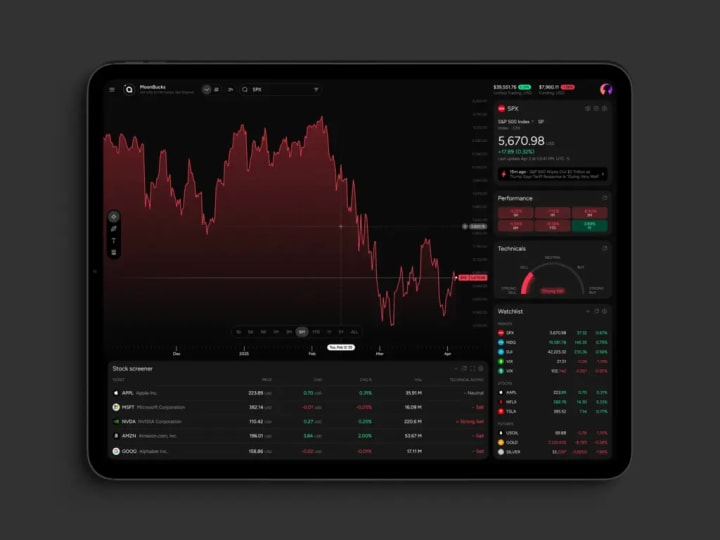
Essential Social Features for Trading Applications
Dynamic Feed & Trade Idea Sharing
The heartbeat of any social trading app is a vibrant, interactive feed. Traders should be able to publish clear, actionable trade ideas—like “Bullish on $XOM heading into earnings—here’s my rationale”—and invite responses, whether supportive (“Solid thesis!”) or critical (“Did you factor in the crack spread?”). Posts should support rich media: annotated charts, short screen recordings of entry setups, or even voice clips summarizing their strategy.
Unlike lifestyle-focused platforms, content here must drive decisions. Effective posts include concrete details: entry and exit levels, position sizing, timeframes, and follow-up updates days later. Even better? Allow direct linking to tradable assets (e.g., $SPY or BTC/USD) so others can instantly pull up relevant charts with a single tap.
Verified Trader Profiles & Performance Transparency
Users won’t follow just anyone—especially not someone flashing unverified profit screenshots. Trust is built through verified profiles connected (with permission) to real brokerage accounts. Highlight achievements like “Top 10% in options prediction accuracy” or “Delivered 5% average monthly returns over 12 months.” But go beyond badges: display key metrics such as win rate, maximum drawdown, average trade duration, and consistency over time. Consider implementing a ranking system that surfaces reliable, high-performing traders—not just those with the flashiest wins.
Integrated Real-Time Market Data
Outdated information erodes credibility fast. A post claiming “$NVDA is breaking out!” loses all value if it’s paired with a chart from days ago. Embed live or near-real-time market data directly into the user experience:
- Interactive, clickable charts within posts
- Mini price tickers beneath every ticker symbol mentioned
- One-click dashboards showing a trader’s open positions alongside their commentary
The aim is seamless context. If someone’s reading an analysis on gold, they should see the current XAU/USD price right there—no tab-switching required.
Focused Community Spaces
Not every trader wants to broadcast to the entire platform. Offer dedicated spaces like topic-specific channels, private groups, or discussion boards where niche interests can thrive without noise. Facilitate deeper engagement through moderated conversations, expert AMAs, or weekly roundtables. These features give users compelling reasons to return—not only to share trades but also to learn, debate, and reflect.
Shared Watchlists, Signals & Alerts
Empower users to distribute actionable intelligence. Let them publish curated watchlists (“My Top 5 Biotech Opportunities This Week”) or trigger-based signals (“Short $EURUSD if it drops below 1.0850”) that followers can opt to receive as notifications.
During development, consider collaborative features like shared model portfolios where small teams can co-manage a virtual account or benchmark their performance collectively. Also, enable personalized alerts—such as “Notify me when Trader X initiates a new energy sector position.” These utilities foster habitual use, transforming occasional visitors into engaged daily participants.
Cross-Platform Consistency (Web + Mobile)
Traders often monitor markets on mobile during the day but dive into detailed analysis on desktop later. If your mobile and web experiences feel disjointed, you’ll lose momentum—and users.
Strive for functional parity across devices: the same core tools, navigation logic, and data visibility whether someone’s posting a quick pre-market idea from their phone or replying to comments from their laptop at night. Charts, profile layouts, and alert configurations should behave predictably everywhere. It doesn’t need pixel-perfect replication, but the workflow must feel cohesive. Nothing is more frustrating than losing carefully added chart annotations simply because you switched from mobile to desktop.

How to Build a Social Platform Tailored for Traders
Step 1: Clarify Your Vision and Audience
It’s easy to skip this phase—many assume they already understand what traders want. But assumptions can be costly. I’ve seen teams waste months building a “TikTok for traders,” only to discover their actual users despise TikTok-style content.
Start by answering key questions:
- Who is your core user? Beginners, part-time quants, or professional day traders?
- What tone defines your platform—rigorous and data-centric, or casual and meme-infused?
- How will you moderate content? Will speculative “1000x moonshot” posts be allowed, or must every idea include backtested evidence?
- How deep will functionality go? Full real-time P&L syncing from brokers, or just text posts with static screenshots?
Establish these cultural and functional boundaries early. Your first 500 users will shape the community’s DNA—choose them deliberately, as they’ll set the standard for the next 50,000.
Step 2: Design a Scalable Technical Foundation
Social feeds seem straightforward—until traffic spikes and your system buckles under load.
Key infrastructure needs include:
- A high-performance feed architecture (e.g., fan-out-on-write for followers, backed by Redis caching and PostgreSQL with materialized views). While protocols like ActivityPub exist, they’re often over-engineered for this use case.
- Cost-efficient media storage for charts, screen recordings, and annotated documents—without racking up unsustainable cloud bills.
- Real-time communication via WebSockets or managed services like Pusher or Ably for instant updates on comments, likes, and trade alerts.
From day one, prioritize data integrity. On social trading platforms, poor-quality input can be mistaken for truth—so build systems that encourage accuracy and discourage misinformation.
Step 3: Craft a Hybrid UI/UX for Both Social and Analytical Needs
Many platforms fail here by leaning too far in one direction: either overwhelming newcomers with Bloomberg-like complexity or offering Instagram-style simplicity that lacks analytical depth.
The solution? Blend the two. Imagine a post that pairs a trade thesis with an embedded, interactive chart. Or comment threads that let users reference specific chart zones—think “Figma meets TradingView.” Users should fluidly shift between learning (social mode) and executing (analytical mode).
One hard-earned lesson: never treat the chart as secondary. If it’s laggy, inaccurate, or poorly rendered, serious traders will leave immediately.
Step 4: Build Core Features Strategically
Once design is locked, move into development—but prioritize wisely:
- Basic feed and posting (MVP: text, ticker symbols, simple media uploads)
- Moderation tools (auto-flagging phrases like “DM for signals” or “1000x gem”)
- Smart notifications (push/email alerts for replies, new follows, or trade signals)
- Messaging (only enable private DMs if you have robust anti-spam measures; otherwise, keep interactions public)
Design your feed algorithm to reward quality, not just popularity or recency. Boost posts from verified performers, those with thoughtful replies (not just likes), and content relevant to a user’s watchlist. Avoid purely chronological or engagement-driven feeds—they either bury valuable insights or encourage sensationalism.
Step 5: Integrate Reliable Market Data and Broker Connections
Accurate, normalized data is non-negotiable. Source price feeds from trusted providers like Polygon, Twelve Data, Alpaca, or Binance APIs. For live brokerage sync, consider Tradier or Interactive Brokers.
But beware of symbol inconsistencies—“AAPL” on one feed might be “AAPL.US” on another. Build a unified symbol resolver so your frontend doesn’t break over naming quirks.
Use efficient charting libraries like TradingView’s Lightweight Charts or D3.js, but implement aggressive caching. Don’t query your data API every time a user scrolls—that’s a fast track to latency and cost overruns.
Step 6: Implement Robust Moderation and Security Measures
Scammers flock to trading communities like moths to a flame—especially around pump-and-dump schemes.
Protect your platform with:
- Automated filters for scammy language (“guaranteed returns,” “private group access”)
- Manual review queues for new accounts or high-visibility posts
- Mandatory risk disclaimers and regulatory compliance elements
- Fraud detection systems (e.g., spotting unnatural follower surges or doctored P&L screenshots)
Run red-team tests before launch: try posting fake “insider tips” or running a mock paid signal scam. If your safeguards miss it, refine them—because real bad actors certainly won’t.
Step 7: Launch Thoughtfully and Nurture Growth
No matter how polished your product is, start small. Begin with an invite-only rollout featuring genuine, active traders.
Then layer in growth mechanisms:
- Smart onboarding that helps users discover relevant traders based on their interests
- Meaningful gamification—think performance-based recognition, not just flashy badges
- Early-adopter incentives like free premium access or revenue sharing from follower activity
- Continuous feedback channels: in-app surveys, dedicated Discord groups for power users
- Plan for long-term support: offer in-app help, update community guidelines as the platform evolves, and host regular AMAs with your team.
Your platform won’t be perfect at launch—but if you’ve built it with traders, not just for them, it has the potential to become indispensable.

What Drives the Final Price Tag
The true cost of building a social trading platform hinges largely on what’s happening beneath the surface:
- Feature Sophistication: A basic text-only feed is inexpensive to build. But once you add intelligent capabilities—like auto-linking stock tickers, embedding live interactive charts, or ranking trade ideas by risk-adjusted performance—the complexity (and cost) climbs sharply. Each “smart” feature introduces additional logic, rigorous testing, and ongoing maintenance.
- Real-Time Functionality: Features like WebSockets, live market data streams, and instant notifications may sound straightforward in theory—but try troubleshooting timing bugs during a volatile Fed announcement. Real-time systems demand more robust infrastructure, extended development cycles, and continuous monitoring, all of which increase expenses.
- Advanced Analytics: Displaying simple profit-and-loss figures is manageable. However, offering backtested strategy comparisons, correlation heatmaps, or automated performance attribution requires specialized expertise. You’ll likely need to bring on quantitative analysts—or at least developers skilled enough to implement financial models credibly.
- Mobile Development: Supporting both iOS and Android effectively doubles your frontend workload. Even with cross-platform tools like React Native, achieving smooth chart rendering and reliable push notifications often requires custom native code and significantly more quality assurance.
And there’s another hidden cost: regulatory and legal compliance. Even if you’re not acting as a broker, displaying trade results or sharing signals can trigger legal scrutiny. Expect counsel to weigh in on disclaimers, user data policies, and potential liability—adding more billable hours to your budget.
Key Challenges in Developing Social Trading Platforms
Content Moderation and Regulatory Compliance
Building a platform where traders interact means you’re not just hosting conversations—you’re facilitating financial activity, which raises the stakes significantly.
- User-Generated Risk: A single post like “$XYZ is going 10x tomorrow—buy now!” accompanied by a doctored chart, or claims of “guaranteed returns,” can expose your platform to serious regulatory scrutiny. Authorities may view you not as a neutral forum but as an enabler of misleading financial advice.
- Lack of Context: Even honest posts can mislead. For example, “I made 50% in a week!” sounds impressive—until you learn it involved 20x leverage and near-total loss. Without proper framing, your platform risks becoming a speculative playground masquerading as a discussion space.
- Scam Vulnerability: Social trading attracts bad actors—fraudulent “gurus” selling signals, coordinated pump-and-dump schemes, or malicious links disguised as portfolio tools. Once real money is at stake, users expect you to safeguard them.
- Mitigation requires proactive measures: automated filters for red-flag phrases (“DM for signals,” “100x gem”), verified trader badges backed by actual performance data, and—critically—legal counsel before launch. Even if you’re not a licensed broker, regulators like the SEC or FCA may still consider your platform within their oversight scope.
Demanding Real-Time Performance
Traders have zero tolerance for delays. A three-second lag in feed updates during a breakout alert, or a frozen chart amid market turbulence, will make users question your platform’s reliability—and abandon it quickly.
Critical technical pressure points include:
- High Concurrency: At market open, thousands of users may simultaneously post, comment, and refresh. Your WebSocket infrastructure must scale gracefully without crashing.
- Instant Content Delivery: Followers expect new trade ideas immediately—not after delayed batch processing. This demands optimized fan-out architectures, intelligent caching, and meticulous query design to avoid performance-killing N+1 issues.
- Efficient Data Streaming: Embedding live prices or real-time P&L in every post can trigger cascading API calls. You’ll need data aggregation layers, strict rate limiting, and resilient fallback mechanisms for when third-party data feeds falter.
Earning and Maintaining User Trust & Security
Trust isn’t given—it’s earned, especially when your platform handles portfolios, broker integrations, or proprietary trading strategies.
Essential safeguards include:
- Robust Authentication: Implement OAuth 2.0, support multi-factor authentication (MFA), and ensure secure session management to prevent token leakage.
- Identity & Performance Verification: Go beyond email confirmation. Use services like Plaid to verify brokerage-linked accounts for top contributors, ensuring their track records are genuine.
- Stringent Data Protection: Encrypt private messages end-to-end, comply with GDPR/CCPA, and enforce strict access controls. Treat synced portfolio data with the same rigor as banking information—because, in practice, that’s what it is.
Remember: trust accumulates slowly but vanishes instantly. A single data breach, a fake “verified” influencer, or an unexplained discrepancy in performance metrics can shatter credibility and cause your user base to flee overnight.

Key Takeaways Recap
A platform for sharing trading ideas offers a powerful strategic advantage for fintech firms, brokers, and any business aiming to deepen user engagement, foster trust, and differentiate itself in a saturated market. Modern traders no longer want to operate in isolation—they crave context, community, and reliable insights. They’re willing to stay—and pay—for platforms that genuinely deliver these elements.
However, creating such a platform is far from simple. Success hinges on a delicate balance: compelling social interaction, seamless real-time market data, strict content moderation, and infrastructure that scales under pressure. Neglect any one of these, and you risk poor adoption, regulatory issues, or system failures precisely when users need reliability most—during high-volatility moments.
The smart approach is to start small and focused:
- Clarify your niche: Pinpoint your target audience and establish the community’s tone and culture.
- Launch a lean MVP: Begin with core features—social feed, verified profiles, basic performance analytics—and prioritize web development initially.
- Evolve based on feedback: Gradually introduce broker integrations, mobile apps, and monetization strategies once you’ve validated real user demand.
- Embed trust from day one: Use identity verification, transparent performance metrics, and intelligent moderation to build credibility.
Execute this thoughtfully, and you’ll cultivate a dynamic, self-sustaining ecosystem where traders collaborate, learn, and grow—not just trade in silence.
About the Creator
Shakuro
We are a web and mobile design and development agency. Making websites and apps, creating brand identities, and launching startups.
Estimating the Total Investment Budget for Asphalt Mixing Plant Cost
When considering how much does an asphalt mixing plant cost, it is essential to estimate the total investment budget accurately. This involves not only the initial purchase price but also additional costs such as installation, transportation, operational expenses, and maintenance. Understanding these factors will help project managers and investors make informed financial decisions and create a comprehensive budget that aligns with project objectives.
By Macroad Asphalt Plant3 days ago in 01
AI-Native Mobile App Development for 2026: A Strategy Guide
The landscape of mobile software has shifted. In 2026, one distinction matters most. Is your app "AI-integrated" or "AI-native"? This choice determines your market survival. Previous years focused on adding simple chatbots. These were often just a secondary layer. Current development prioritizes AI as the core engine. It drives the user interface and data processing. It also enables proactive functionality.
By Del Rosario2 days ago in 01
Belle of the Bayou
Bad move, cher. Not just the slip of her kitten heel on the rainy February cobblestones in the Fourth Ward. She got caught snooping. Detective Deleon clucked and strutted like a rooster in his rush to clear her from the scene, waving cigar smoke to and fro as he gesticulated amid the thick air of the speak easy. An experienced crime reporter, Marie knew better than to let the coppers catch her on the wrong side of the line, but curiosity had gotten the better of her.
By Maia Gadwall the metAlchemist6 days ago in Fiction




Comments
There are no comments for this story
Be the first to respond and start the conversation.