
How to Balance Cost and Sustainability in Coffee Packaging?
Detailed Guide for New Coffee Business

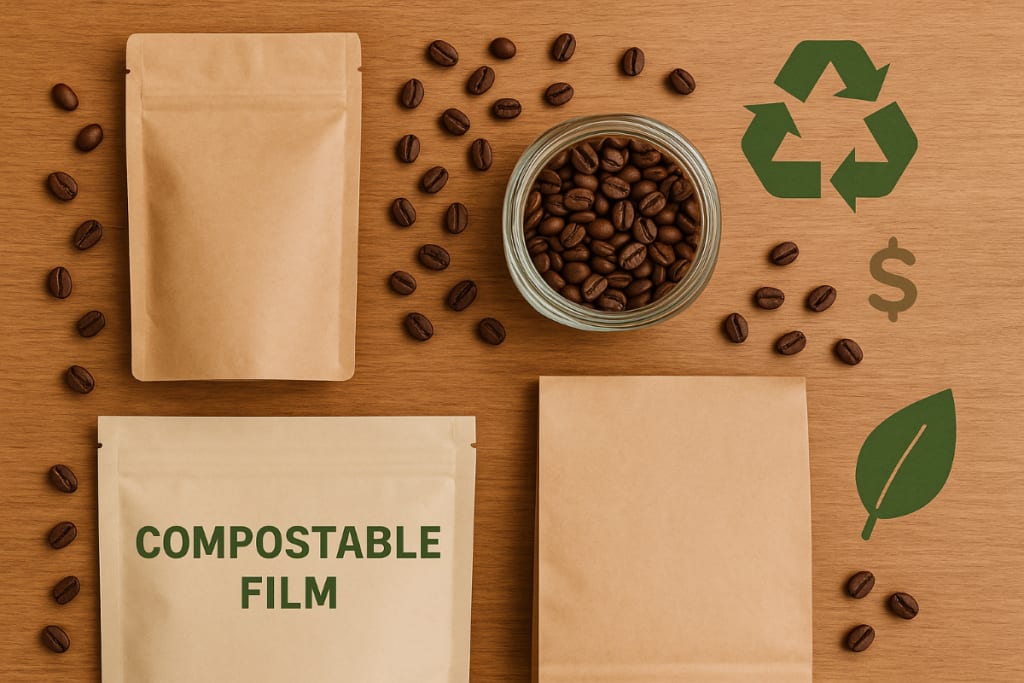
The specialty coffee market is booming, and packaging plays a critical role in protecting freshness, building brand identity, and delivering a positive customer experience. But coffee businesses face a growing challenge: how do you balance the rising demand for eco-friendly packaging with the need to remain cost-competitive?
Sustainable packaging is no longer optional. Consumers expect brands to act responsibly, governments are tightening regulations, and environmental concerns are at the forefront. Yet, sustainable materials often come with higher costs, supply chain hurdles, and technical limitations.
This guide breaks down strategies to balance cost efficiency and sustainability in coffee packaging — drawing from industry insights and best practices across design, materials, logistics, and consumer engagement.
Why Coffee Packaging Matters?
Coffee is highly sensitive to oxygen, moisture, light, and temperature. Without proper packaging, beans lose aroma and flavor quickly. At the same time, traditional multilayer laminates (plastic + aluminum foil) do a great job of protection but are notoriously difficult to recycle and harmful to the environment.
So the goal is protection + sustainability + affordability — a three-way balance that determines long-term brand success.
Common Eco-Friendly Packaging Options
Understanding your material choices is the first step:
Kraft Paper Bags
- Affordable, recyclable, biodegradable.
- Require an inner liner to preserve freshness.
Compostable Films (PLA, cornstarch, cassava, sugarcane)
- Made from renewable sources.
- Industrial composting often required, shelf life limitations.
Recyclable Plastics (mono-material PE or PP)
- Strong barrier properties, widely recyclable.
- Easier to process than multi-layer laminates.
Reusable Containers (tins, glass jars)
- Premium feel, encourage refills.
- Higher upfront cost, but sustainable long-term.
Foil-Lined Bags
- Excellent barrier performance.
- Usually non-recyclable — best for brands prioritizing shelf stability over sustainability.
The Challenges in Balancing Cost & Sustainability
Even with good options, businesses encounter real obstacles:
- Higher material costs – sustainable films and compostables are usually more expensive.
- Durability trade-offs – some eco-materials don’t protect coffee as well.
- Supply chain limitations – sourcing renewable materials can be inconsistent.
- Storage and inventory risks – bulk orders save money but increase holding costs and risk of spoilage.
- Consumer knowledge gaps – many customers don’t know how to recycle or compost packaging properly.
Cost-Effective Strategies for Sustainable Coffee Packaging
Here’s how to strike the right balance:
1. Optimize Material Choices
- Match materials to your brand’s budget and sustainability goals.
- For startups: kraft paper + recyclable liners are cost-effective.
- For premium brands: compostable multi-layer or reusable options add value and eco-appeal.
2. Mix Materials Strategically
- Combine recycled content with traditional packaging.
- Reduces overall cost while still improving sustainability credentials.
3. Go Lightweight and Right-Sized
- Lighter packaging reduces shipping costs and carbon footprint.
- Avoid oversized or multilayer designs that add no real protection.
- Right-sized packaging means less waste, lower transport volumes, and easier storage.
4. Design for Efficiency and Minimalism
- Avoid unnecessary embellishments — focus on simple, attractive, functional design.
- Use digital printing for small batches — cheaper and reduces waste.
- Stock bags + branded stickers can lower design and printing costs for smaller roasters.
5. Leverage Technology in Design
- Use AI and digital tools (Canva, Adobe Express, Visme) to streamline packaging design.
- Cut down on revisions, reduce designer costs, and speed up go-to-market.
6. Buy in Bulk — But Smartly
- Bulk procurement lowers unit cost but ties up capital and storage space.
- Use the Economic Order Quantity (EOQ) approach to find the sweet spot between order size and carrying cost.
7. Source Locally When Possible
- Local suppliers reduce shipping costs, lead times, and emissions.
- Builds resilience in your supply chain.
8. Refill & Return Programs
- Offer discounts for refills or deposit-refund systems for returned packaging.
- Encourages reuse, strengthens brand loyalty, and lowers long-term costs.
9. Enhance Consumer Education
- Many eco-initiatives fail if consumers don’t know how to dispose of packaging.
- Add clear labeling, certifications (FSC, BPI, USDA BioPreferred), or QR codes to guide disposal.
- Transparency builds trust and helps avoid accusations of “greenwashing.”
10. Consider the Full Lifecycle
- Factor in hidden costs: waste management fees, storage costs, transport emissions, and brand reputation.
- Lifecycle assessments (LCA) reveal the true cost of packaging beyond material price.
Final Thoughts
Balancing cost and sustainability in coffee packaging is not about choosing one over the other — it’s about finding harmony. By carefully selecting materials, optimizing design, improving logistics, and engaging consumers, coffee brands can lower costs while building a reputation as an environmentally responsible business.
In a competitive market, sustainable packaging is more than a trend — it’s an investment in long-term resilience, customer loyalty, and environmental impact.
So the next time you design your coffee bags, remember: the right packaging does more than hold beans — it holds your brand’s values.
About the Creator
Joses Peter
Joses Peter is a passionate writer with a deep love for gaming. With a lifelong interest in fantasy worlds and storytelling, Joses has carved out a niche for herself as both a writer and a gaming enthusiast.
Keep reading
More stories from Joses Peter and writers in 01 and other communities.
How Web Design Helps Small Businesses Grow?
In today’s digital-first world, having a strong online presence isn’t optional — it’s essential. For small businesses, professional web design is more than aesthetics. It directly impacts credibility, customer trust, and revenue. A well-built, responsive website acts as your 24/7 storefront, enabling you to compete even against larger brands. Let’s explore how small business web design contributes to growth and long-term success.
By Joses Peter5 months ago in 01




Comments
There are no comments for this story
Be the first to respond and start the conversation.