
How to Assess Your Home’s Insulation Needs
Home’s Insulation

When it comes to maintaining the comfort and efficiency of your home, insulation plays a crucial role. Proper insulation ensures that your home stays warm in winter and cool in summer, reduces energy costs, and contributes to a healthier living environment. But how do you know when your home’s insulation needs an upgrade? In this guide, we will walk you through the essential steps to assess your home's insulation needs and determine whether it's time for an upgrade.
Why Insulation Matters for Your Home
Insulation serves as a barrier that slows down the transfer of heat between your home and the outside environment. In colder months, it keeps the warm air inside, while during hot weather, it prevents heat from entering your home. Without adequate insulation, your heating and cooling systems will work harder, leading to higher energy bills and reduced comfort.
In Worcester, MA, and surrounding areas like Auburn, Barre, Charlton, Dudley, and others, harsh winters and hot summers make insulation even more important. When you assess your home’s insulation needs, you’ll not only improve comfort but also lower your energy bills over time.
The Signs That Your Home May Need Better Insulation
There are several indicators that suggest your home may be lacking in insulation or that its existing insulation needs to be replaced. Recognizing these signs early can help you take proactive measures to maintain your home’s energy efficiency.
1. Uncomfortable Temperature Variations
If your home is drafty or if certain rooms are colder in winter and hotter in summer, it may be a sign that your insulation is not performing as it should. Poor insulation allows air to escape, causing uneven temperatures throughout the house.
2. High Energy Bills
Notice an increase in your heating or cooling bills despite your usage remaining the same? Inefficient insulation can lead to heat loss in winter and heat gain in summer, forcing your HVAC system to work overtime to compensate for the temperature fluctuations.
3. Ice Dams and Condensation
Ice dams that form on your roof are another indicator of poor insulation. These occur when warm air from inside your home rises to the attic, melts the snow on the roof, and the runoff refreezes, causing a build-up of ice. Additionally, if you see condensation on your windows, walls, or ceilings, this could signal inadequate insulation.
4. Unexplained Noises
When your home lacks proper insulation, sound travels more easily. If you hear a lot of external noise or notice that your home is more acoustically “open” than it should be, this could indicate insufficient insulation, especially in walls and ceilings.
5. Aging Insulation Materials
If your home was built several decades ago and you haven't replaced or upgraded the insulation, it may be time for a closer look. Insulation materials can degrade over time, losing their ability to properly maintain temperatures.
How to Assess the Condition of Your Insulation

Now that you know the signs, it's time to evaluate your home’s insulation. This process can be done with a few simple steps, and if you're unsure, a professional inspection can help. Here's how to start:
1. Conduct a Visual Inspection
Begin by checking areas where insulation is most commonly found—attics, basements, walls, and crawl spaces. Look for any visible damage, gaps, or areas where the insulation has shifted. If your insulation is in the attic, check for compacted areas, which can reduce its effectiveness.
2. Check for Air Leaks
Air leaks are one of the most common causes of poor insulation performance. Use a candle or incense stick and move it around windows, doors, and areas where two walls meet. If the smoke sways, there’s likely an air leak. This could mean that insulation has worn away, or it was never properly installed.
3. Check the R-Value
The R-value measures the effectiveness of insulation. Higher values indicate better thermal resistance. In Worcester and nearby areas such as Holden, Spencer, and Webster, where winter temperatures can dip significantly, it's important to have the right R-value to maximize energy efficiency. If your insulation doesn’t meet local code requirements or is too old, you may need to replace or upgrade it.
4. Inspect Your HVAC System
If you notice that your heating and cooling system isn’t performing as efficiently as it should, poor insulation might be the culprit. Ensure your system is properly calibrated and that the thermostat is functioning correctly. If everything checks out, but you’re still facing issues, it’s likely a sign that the insulation isn’t doing its job.
5. Hire a Professional
Sometimes, it’s hard to tell if your insulation is truly lacking, especially if it’s hidden behind drywall or in hard-to-reach spaces. Hiring a professional insulation contractor in Worcester, MA, and nearby areas like Paxton, Charlton, and Rutland can help. These professionals use specialized tools like thermal imaging cameras to detect problem areas and give you an accurate picture of your home’s insulation needs.
Types of Insulation and Which Is Right for Your Home
Different types of insulation materials are suitable for different areas of your home. Understanding the various options and their benefits can help you decide what’s best for your needs.
1. Batt Insulation
Batt insulation is commonly used in attics, walls, and floors. It consists of fiberglass, mineral wool, or cotton and comes in pre-cut panels. Batt insulation is easy to install but may not be ideal for irregularly shaped spaces or areas with obstructions.
2. Spray Foam Insulation
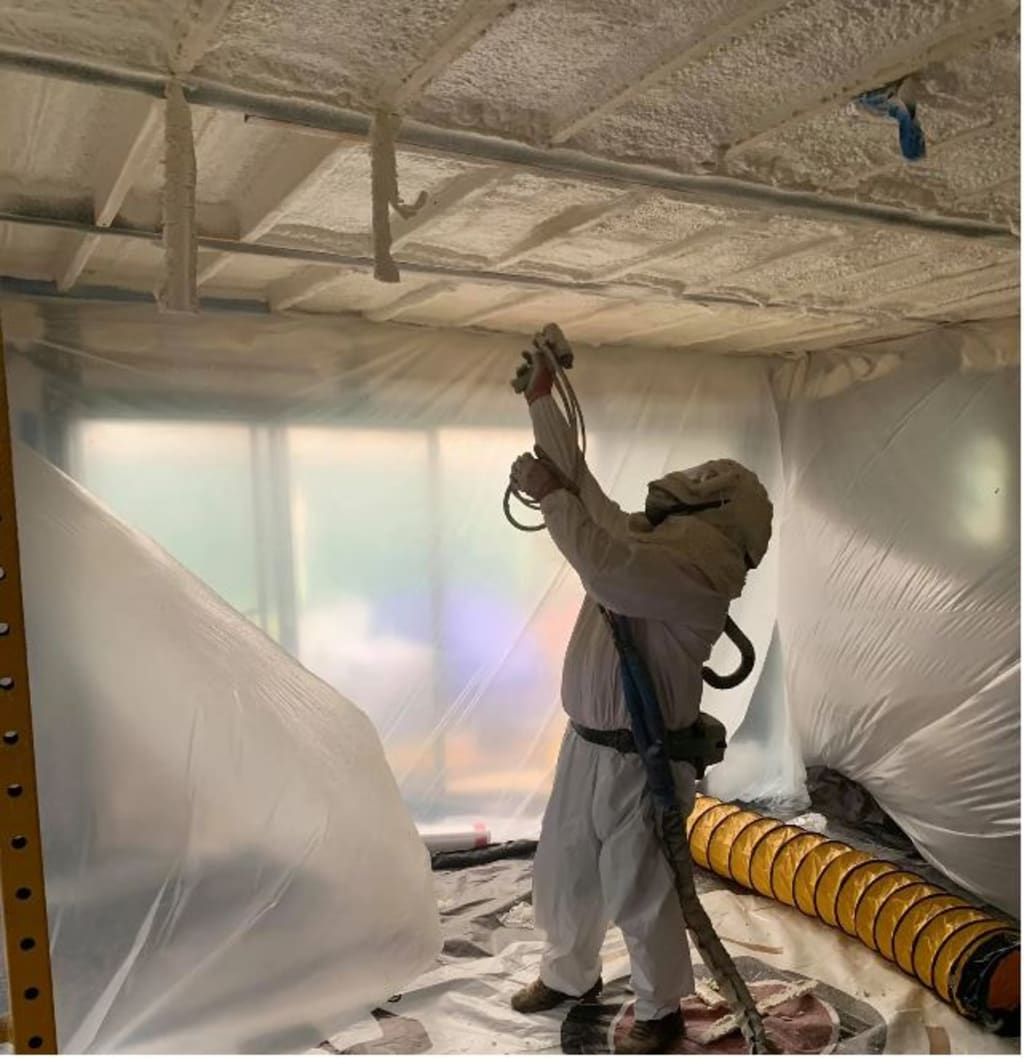
Spray foam insulation is one of the most effective options for sealing gaps and insulating difficult-to-reach spaces. It expands when applied and can help fill small holes and cracks that traditional batt insulation might miss. It's perfect for areas like attics and basements, especially in homes in Worcester, where heat retention is essential in the cold months.
3. Blown-In Insulation
Blown-in insulation is ideal for filling cavities, such as attics and walls, where access is limited. It can be made from fiberglass, cellulose, or cotton and is blown into the space using a special machine. This type of insulation is often used in older homes in cities like Worcester or Auburn, where upgrading to modern insulation can be a bit tricky.
4. Rigid Foam Insulation
Rigid foam insulation is often used in basements and exterior walls, where high insulation performance is necessary. It provides a high R-value and is resistant to moisture, making it perfect for the humid environment found in areas like Millbury, Oxford, and Hardwick.
Conclusion
Assessing your home’s insulation needs is essential for improving comfort and lowering energy costs. If you're experiencing temperature fluctuations, high energy bills, or other signs of inadequate insulation, it might be time for an upgrade. Take a close look at your home’s insulation, check for visible damage, and consider calling a professional for an inspection.
If you’re in Worcester, MA, or any of the surrounding areas, such as Auburn, Barre, Charlton, or Holden, Lamothe Insulation and Contracting is ready to help. Their team of experts can assess, recommend, and install the perfect insulation solution for your home. Don't wait until the next season hits—improve your home’s energy efficiency today.
For professional insulation services, call Lamothe Insulation and Contracting at (508) 847-0119.
Frequently Asked Questions (FAQs)
1. How can I tell if my insulation needs to be replaced?
You can assess your insulation by checking for signs such as temperature variations between rooms, high energy bills, and visible damage like gaps or worn-out materials. If you're unsure, contact a professional for an inspection.
2. What is the best type of insulation for my attic?
Spray foam insulation is an excellent choice for attics because it fills gaps and cracks effectively. However, batt insulation can also work well in spaces with standard shapes. Blown-in insulation is another good option for attics, especially in older homes.
3. How can I improve insulation in my walls?
Blown-in insulation is ideal for improving insulation in walls without needing to remove drywall. If you’re building or remodeling, batt or spray foam insulation can be effective choices for walls.
4. Is it expensive to replace insulation?
The cost of replacing insulation varies depending on the size of your home and the type of insulation you choose. However, investing in quality insulation will save you money in energy costs over time.
5. How often should I check my home’s insulation?
It’s a good idea to check your insulation every few years, especially if your home is older or you’ve noticed issues like higher energy bills or discomfort in certain rooms. Regular checks can help you address problems early before they become costly.
About the Creator
Lamothe Insulation & Contracting
Lamothe Insulation & Contracting, based in Worcester, MA, offers top-notch insulation services to enhance energy efficiency and comfort for homes and businesses.
Contact Us: (508) 847-0119
Visit us: https://www.lamotheinsulation.com/
Keep reading
More stories from writers in 01 and other communities.
Why Germany Is Emerging as a Prime Market for Institutional-Grade White Label Crypto Wallets in 2026
Germany just issued its 100th crypto custody license under the updated Financial Instruments Act. Deutsche Bank launched digital asset custody services for institutional clients. The German government holds 50,000 BTC making it one of the largest sovereign cryptocurrency holders in Europe. If you're building institutional-grade white-label crypto wallet solutions and wondering where to focus in 2026, Germany isn't just attractive it's essential.
By Matthew Hawsabout 5 hours ago in 01
The Duelist
The rays of a dying red sun flashed against the onrushing blade. The grey beards say the key to dueling lies in size, speed, reach, righteous fury, whatever the person in front of them pays them to say. Matteo knew better than any it was none of these and had an undefeated record on these sands to prove it.
By Matthew J. Fromm4 days ago in Fiction




Comments
There are no comments for this story
Be the first to respond and start the conversation.