
How the UAE Is Rethinking Road Safety Amid Rising Urban Pressures
Road Safety
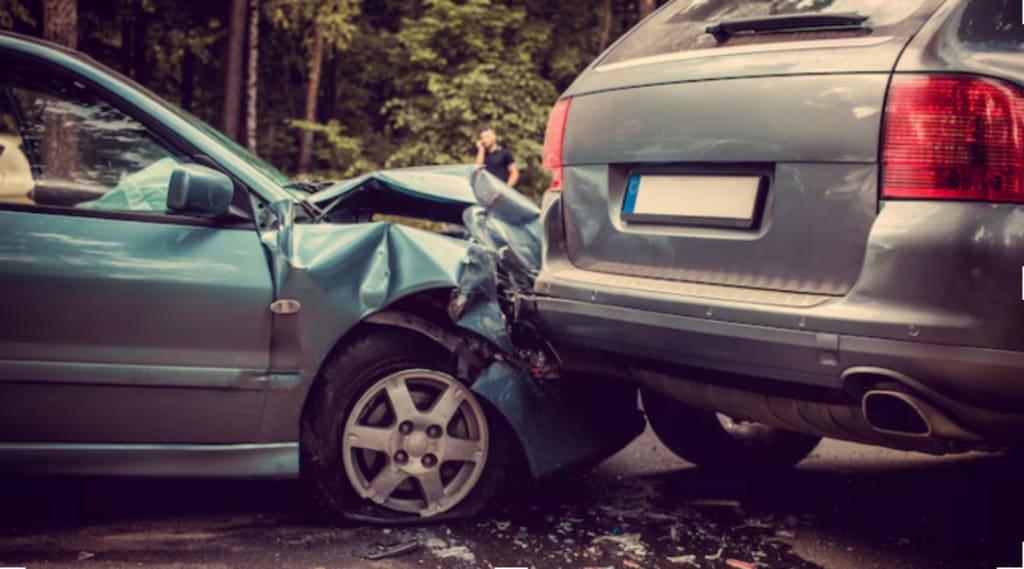
As cities in the UAE continue to expand and evolve, their roads are becoming more than just transportation routes—they're shaping public safety, health, and even policy decisions. While the region boasts some of
weekends and public holidays. This trend is forcing both citizens and authorities to reevaluate how road safety is approached in the modern UAE.
The Weekend Spike: More Than Coincidence
Dubai Police reports have shown that road incidents tend to spike on Thursdays and Fridays—days typically associated with social gatherings and late-night outings. Analysts suggest that this pattern reflects broader lifestyle shifts: increased urban stress, weekend travel culture, and at times, reckless behavior linked to fatigue or alcohol consumption.
But what's driving this behavior, and more importantly, what’s being done about it?
Reinforcing Responsibility Through Law
Over the last decade, the UAE has implemented some of the strictest traffic laws in the region. Fines for reckless driving, speeding, or operating a vehicle under the influence are among the highest globally. Recently, authorities have stepped up random inspections and increased surveillance near nightlife zones.
The zero-tolerance policy on driving under the influence is not just a legal measure—it reflects a cultural message: safety on the road is a shared social responsibility.
Smart Cities, Safer Streets?
The UAE is globally recognized for its ambition to lead in smart city innovation. AI-driven traffic cameras, predictive policing tools, and integrated emergency response systems are already in play. Yet, critics argue that technology alone can't change behavior.
Some experts advocate for more grassroots education programs—targeting schools, universities, and workplaces—to build a safety-first mindset from the ground up. After all, a smart city also requires smart, informed citizens.
Changing Attitudes Among Residents
There is also a noticeable shift in public awareness. More drivers are using safe driver services when attending events or late-night gatherings. Companies like Foremost Drive are becoming increasingly popular, offering a reliable solution for those who wish to avoid the risks of driving tired or under the influence.
Social media campaigns by influencers and civic organizations have helped normalize calling for help instead of taking chances behind the wheel. Additionally, insurance companies are beginning to offer discounts for drivers who show a record of using safe alternatives or enrolling in defensive driving courses—another incentive to promote responsible choices.
A Regional Issue, A Shared Future
Though the focus here is the UAE, road safety is a shared concern across the GCC. As cities like Riyadh, Doha, and Manama invest heavily in infrastructure, they too are grappling with the human cost of modernization.
Regional collaboration, including shared data systems and awareness campaigns, may be the next logical step. Road safety is no longer just a local issue—it’s a reflection of how we live, work, and commute in a fast-changing world.
Conclusion
The UAE’s efforts to improve road safety are commendable, but the challenge goes beyond law enforcement or smart technologies. It calls for a cultural shift—a collective decision to value life, time, and responsibility behind the wheel.
As the country positions itself as a leader in innovation and urban excellence, ensuring that its roads are safe for everyone is not just a policy objective—it’s a societal priority.
About the Creator
Wild Card Weekend Recap: What Happens Now?
I think I figured out why I love Wild Card Weekend so much. It's because it's the first playoff anything of the calendar year. The NFL season starts in the fall, and once upon a time, the champion was crowned either on or slightly before New Year's. The evolution of the NFL schedule has resulted in the playoffs starting just into the New Year, and currently, the final week of the season falls on the first weekend of the New Year, with Wild Card Weekend coming a week after that. So yes, chronologically, the NFL's Wild Card Weekend serves as the first playoff anything of the calendar year.
By Clyde E. Dawkins4 days ago in Unbalanced



Comments
There are no comments for this story
Be the first to respond and start the conversation.