
How Regional Economies Affect the Cost of Concrete Batching Plant
A deep dive into how regional economic conditions shape the cost of concrete batching plants—and what it means for new plant owners.

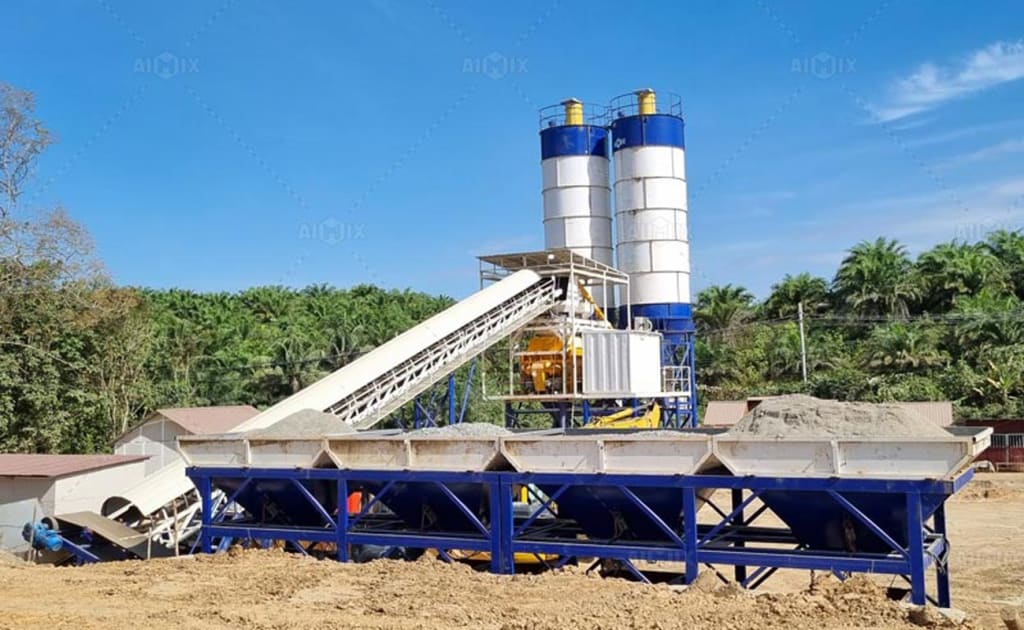
The cost of a concrete batching plant is never static—it shifts depending on various regional economic factors such as infrastructure development, labor rates, raw material availability, and government policy. Whether you're evaluating investment opportunities or researching how to start a concrete plant, understanding how regional economies influence plant costs is critical for smart decision-making.
In this article, we’ll explore the main regional economic forces that impact the cost of concrete batching plant, with practical insights for new plant owners and investors.
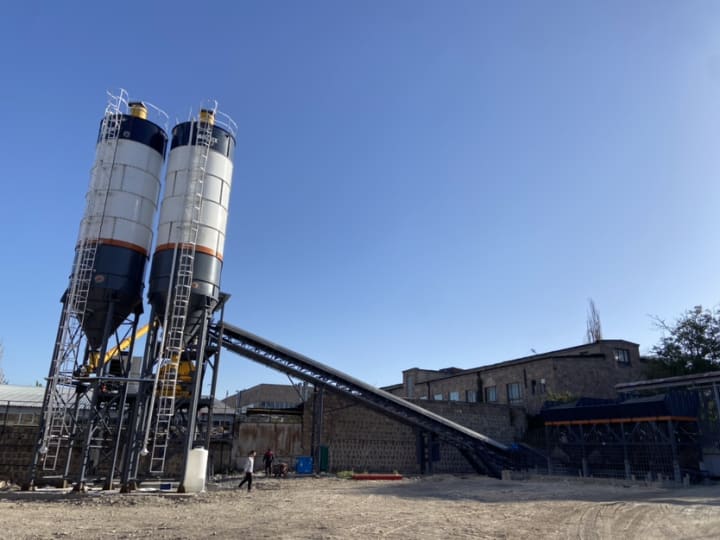
1. Infrastructure Demand and Development Level
The level of infrastructure development in a region directly affects the demand—and thus the price—of concrete batching plants. In developing countries across Africa, Southeast Asia, and Latin America, governments are pouring investment into roads, bridges, housing, and public facilities.
This increased demand often leads to bulk orders of batching plants, which can drive prices down due to competition. However, in less-developed regions with poor logistics or limited access to spare parts, the cost of operating and maintaining a concrete plant may increase, especially for imported equipment.
Example
In Indonesia or Nigeria, entry-level mobile batching plants may cost $35,000–$60,000, while more advanced stationary models with automation can go up to $120,000. In contrast, the same plant could cost 30–50% more in Europe or North America due to compliance costs and higher production standards.
2. Labor and Installation Costs
Labor is another major factor when considering the cost of a concrete batching plant. In high-wage regions such as Western Europe, North America, or parts of the Middle East, installation and ongoing labor costs can make up a significant portion of your capital investment.
In contrast, in markets like India or Vietnam, labor costs are relatively low, which reduces the overall setup expense.
If you’re researching how to start a concrete plant, note that regions with low-cost, skilled labor can allow you to scale faster with less capital. However, you must balance this with infrastructure, training, and equipment servicing availability.
3. Raw Material Availability
The cost of a batching plant is also influenced by the availability and cost of raw materials like cement, aggregates, water, and admixtures. In landlocked countries or those with limited natural resources, transportation and import duties can raise operating costs significantly.
Regions with easy access to cement factories and aggregate suppliers tend to have lower total costs, even if the upfront price of the batching plant is high.
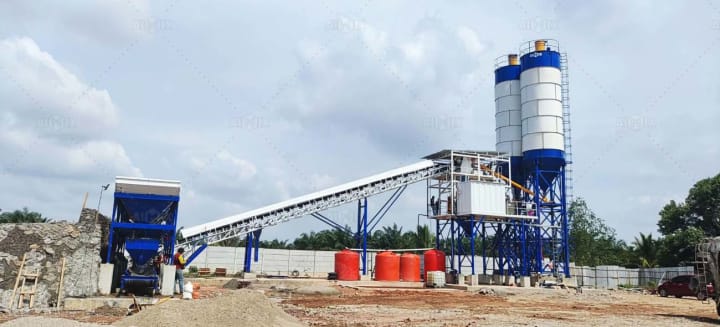
4. Import Duties, Taxes, and Exchange Rates
Many concrete plant manufacturers are based in China, Turkey, or Europe. When importing a plant into a different country, you must factor in import duties, local taxes (like VAT or GST), and currency exchange rates.
For example:
Importing a $100,000 batching plant into South Africa could incur 15% VAT and 5–10% import duty, pushing the final price up to $120,000–$130,000.
Exchange rate volatility, especially in countries with weak or unstable currencies, can cause major fluctuations in the real cost of the equipment.
5. Regional Regulation and Environmental Compliance
In developed economies like the EU, USA, or Canada, environmental regulations and safety standards increase the cost of concrete batching plants. Plants need to include dust collection systems, recycling features, noise suppression, and real-time monitoring—all of which raise manufacturing and installation costs.
In contrast, developing markets might have fewer restrictions, allowing manufacturers to offer lower-cost models with basic features. However, these plants might not qualify for projects funded by international institutions or governments with strict compliance requirements.
6. After-Sales Service and Local Support
Another critical but often overlooked factor is after-sales support. Regions without a local service network can face higher maintenance costs and downtime, which indirectly increases the overall cost of the batching plant.
Some manufacturers have regional offices or partnerships, offering localized service, spare parts, and technician training. When calculating the cost of a concrete batching plant, consider the value of local support—it can save thousands in the long run.
7. Transportation and Logistics Costs
The size and weight of batching plant components mean that transportation plays a significant role in total cost. Mobile plants are more compact and easier to ship, while large stationary plants may require multiple containers or flatbed trucks.
Regions with good port access and road infrastructure will face lower delivery and setup costs. Remote or mountainous regions may incur extra freight and crane rental expenses, making the same plant significantly more expensive.
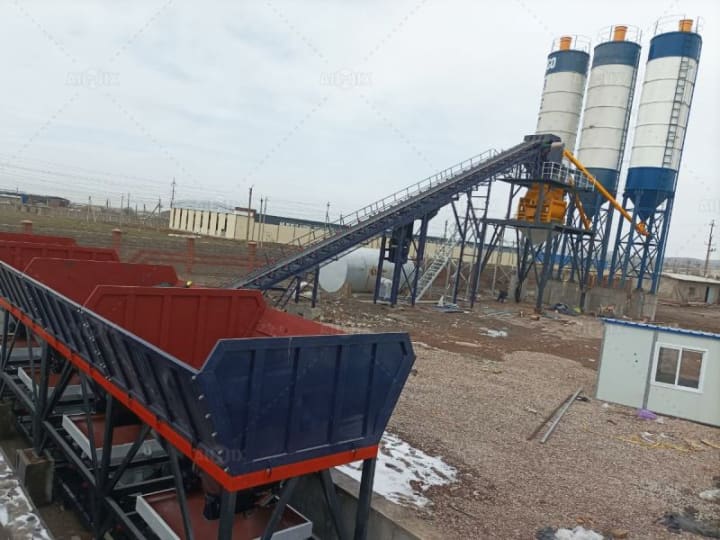
How to Start a Concrete Plant: Regional Considerations
If you're exploring how to start a concrete plant, here’s how regional economics should guide your decisions:
Conduct a market study: Identify whether mobile or stationary plants are in higher demand based on local project types (urban vs. rural).
Choose the right plant type: In high-demand urban areas, invest in high-capacity stationary plants. In remote or fast-moving projects, mobile plants offer flexibility.
Evaluate total ownership cost: Go beyond upfront plant price. Include freight, tax, installation, training, maintenance, and raw material access.
Partner with regional suppliers: If possible, source equipment from manufacturers with local offices or technical support.
Review regulations: Make sure your plant meets local safety, environmental, and quality standards to avoid legal delays or fines.
Conclusion: Smart Investment Starts with Local Insight
The cost of a concrete batching plant varies significantly across regions due to economic conditions, regulatory landscapes, material availability, and labor factors. Whether you're starting a new concrete plant or expanding your fleet, aligning your investment with local economic realities ensures you maximize ROI and avoid costly surprises.
Understanding how to start a concrete plant isn't just about choosing the right equipment—it's about making data-driven decisions rooted in regional context.
About the Creator
consrtuctionmachines
AIMIX is a customer-center-oriented heavy equipment manufacturer and supplier, devoted to production, innovation, combination, one-stop solution, etc.
https://aimixgroup.com/
Keep reading
More stories from consrtuctionmachines and writers in 01 and other communities.
How Does a Concrete Pump Company Manufacture Concrete Mixer with Pump
In modern construction projects, efficiency, accuracy, and cost-effectiveness are paramount. One of the most valuable machines that meet these demands is the concrete mixer with pump, a compact piece of equipment that combines mixing and pumping functions into one seamless process. For any concrete pump company, the manufacturing of this machine is a complex yet well-structured process involving engineering expertise, strict quality control, and a deep understanding of market needs. This article explores how a typical concrete pump company manufactures concrete mixer with pump machines to meet global construction standards.
By consrtuctionmachines8 months ago in 01
Understanding Winter Clothing and Its Role in Women’s Fashion
Winter clothing has long served a practical purpose: protecting the body from cold temperatures, wind, and moisture. Over time, however, it has evolved into a reflection of culture, technology, and personal style. For women in particular, winter wardrobes balance insulation, comfort, and visual appeal, adapting to diverse climates and lifestyles.
By charliesamuel6 days ago in 01
Ludacris and Nelly draw backlash over bookings at MAGA-coded music festival
Ludacris and Nelly headlining a mostly right-wing event is good for them. It’s also great for the genre of hip hop. The two rap veterans have showcased their talents on other stages. Why can’t they perform for mostly MAGA folks and grab that bag?
By Skyler Saunders3 days ago in Beat




Comments (1)
You've got some great points here. I've seen how infrastructure demand affects costs. In areas with big building projects, prices can drop. But labor costs matter too. How do you think automation will change these cost dynamics in the future? Also, I wonder how government policies in different regions will continue to impact concrete batching plant costs. Will they become more or less favorable over time?