
How Often Should You Change Your Engine Oil?
Unlocking the Truth: How Modern Engine Technology Redefines Oil Change Intervals

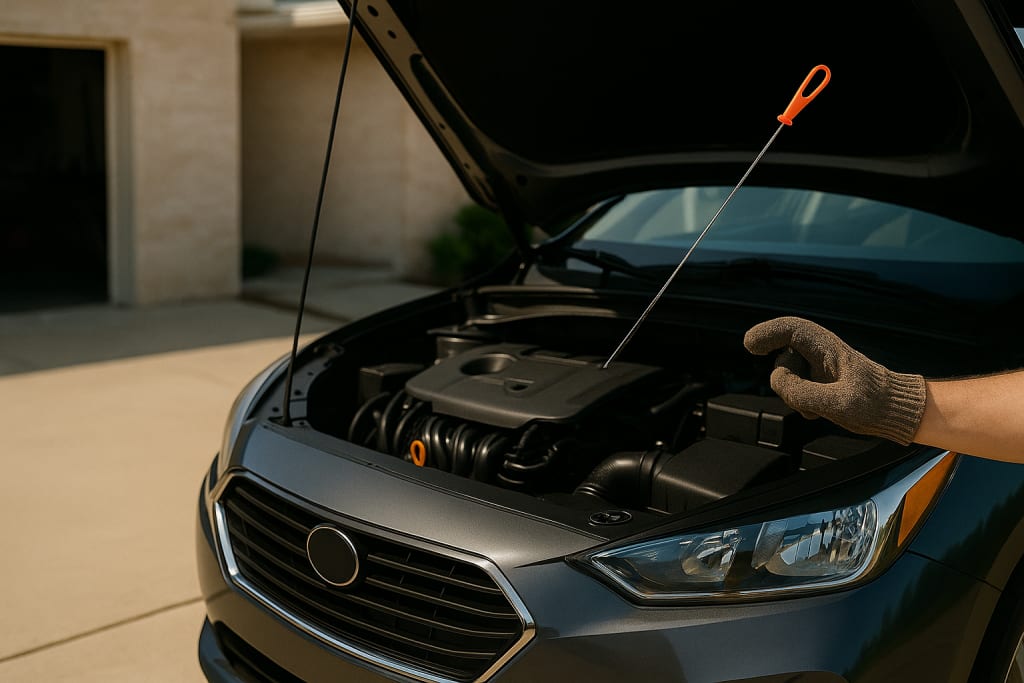
For many motorists, the question of how often to change engine oil remains a common query. Historically, the accepted wisdom was to get an oil change every 3,000 miles, but as car technology and lubricants have evolved, so too have the recommendations. Let's clear the air and delve into the dirty truth about keeping your car's engine running smoothly and efficiently.
Why Your Engine Oil is the Lifeblood of Your Car
Engine oil is absolutely essential for any motor, playing a crucial part in keeping everything ticking over nicely. It acts as a lubricant for the moving parts, making sure the combustion process runs like clockwork. Without it, metal components would grind together, leading to disastrous and rather costly engine damage.
Aside from lubrication, engine oil helps cool parts that coolant can't reach and gathers dirt and debris, stopping them from building up and forming harmful sludge. Regular oil changes, along with swapping the oil filter, not only help your car purr along but can really extend its lifespan. A blocked oil filter, chock-full of metal bits, dirt, or dust, can seriously muck up the flow of clean oil, causing considerable damage. Moreover, neglecting your oil changes could even void your car's warranty, leaving you with a hefty bill for repairs that would have been a doddle to avoid.
So, How Often Should You Change Engine Oil?
That old 3,000-mile rule? It's largely considered “old news” for most modern vehicles. Nowadays, many carmakers recommend oil change intervals ranging from 5,000 to 7,500 miles (that's about 8,046 to 12,070 kilometres for those who prefer metric). And if your pride and joy runs on full-synthetic oil, you could be looking at even longer stretches, potentially up to 10,000 or even 15,000 miles (16,093 to 24,140 kilometres) between services.
Now, changing your oil more frequently than necessary won't actually do your car any harm. But let's be honest, it'll certainly hit your pocket. You'd be wasting your hard-earned money, precious time, and resources. Plus, it adds an unnecessary strain on the environment by discarding perfectly usable oil.
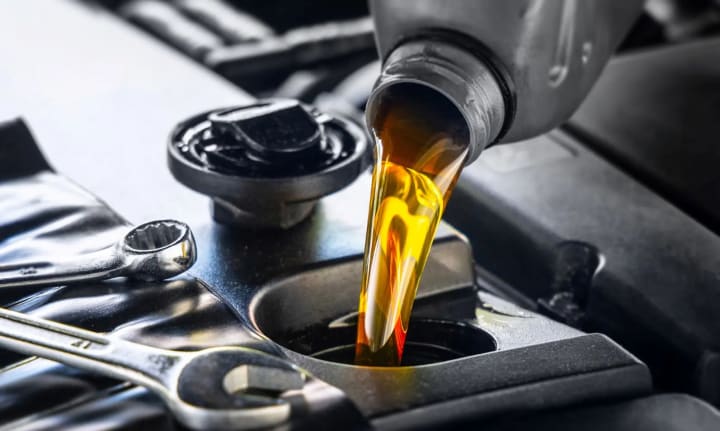
Factors That Really Matter: When to Adjust Your Schedule
While modern recommendations lean towards longer intervals, several factors can influence how often to change engine oil for your specific vehicle and driving habits:
- Vehicle Age and Mileage. Older cars typically follow mileage-based schedules, often with separate recommendations for “normal” and “severe service” conditions.
- Driving Conditions (Severe Service). If your driving falls under this, you'll need more frequent changes. This includes:
- Primarily taking short trips of 5 miles (8 kilometres) or less, as the engine doesn't get hot enough to boil off condensation, causing oil to break down faster.
- Driving in extremely hot, cold, or dusty conditions.
- Continuous stop-and-start driving, such as heavy city traffic.
- Transporting heavy loads or towing a trailer or caravan.
- Aggressive acceleration or high-speed driving, which increases wear and tear.
- Infrequent Driving. Even if you don't clock up many miles, oil degrades over time. If your vehicle often remains stationary, the engine might not get warm enough, leading to excess moisture and faster oil deterioration. In such cases, changing your oil at least once or twice a year is a good rule of thumb.
- Engine Design. Some engines, like certain Kia and Hyundai models, have known issues with oil consumption, requiring more frequent checks and potentially earlier changes.
Oil-Life Monitoring Systems
Many newer cars are equipped with clever oil-life monitoring systems. These systems don't just rely on mileage; they analyse real vehicle operating conditions to determine when your oil is truly starting to degrade. When an oil change is due, an alert will appear on your instrument panel. When you get your oil changed, the technician should reset this system.
It's crucial not to confuse this with the oil pressure light. If the oil pressure light comes on, it indicates a serious problem like low oil level or a failing pump, and you need to stop driving immediately to avoid severe engine damage.
Picking the Right Brew: Oil Types Explained
Every car engine needs oil, but it's paramount to use the type recommended by the manufacturer. Modern engines are designed to exacting standards and require specific oil that meets certain specifications. Using the wrong type of oil in a new car could even void your warranty – definitely not what you want!
You'll often see numbers like 5W-30 or 10W-40 on oil labels. These digits refer to the oil's viscosity, or its resistance to flow. The “W” stands for “Winter,” indicating how the oil flows in cold weather, while the second number (e.g., “30” or “40”) refers to its flow at higher engine temperatures. Consulting your car owner's manual or contacting your local main dealer are the best ways to find the correct grade.
- Conventional Oil. Made from refined crude oil, it's generally cheaper but breaks down faster, requiring changes typically every 5,000 miles.
- Synthetic Oil. Engineered in a lab, synthetic oil offers superior performance. It has fewer impurities, doesn't break down as quickly, and flows better at extreme temperatures. While it costs more upfront, its durability allows for extended oil change intervals, often up to 10,000 to 15,000 miles.
- Semi-Synthetic or Synthetic Blend Oil. A mix of conventional and synthetic, offering a middle-ground in terms of performance, price, and change frequency (around every 6,000 miles).
Getting Under the Bonnet: Checking Your Oil
Regardless of your car's age or the oil type it uses, regularly checking your oil level is a habit that pays dividends. It's recommended to check your oil at least once a month.
Here’s how to check engine oil the simple way:
- Park on level ground and ensure the engine is turned off and cooled down.
- Pop the bonnet and locate the oil dipstick.
- Remove the dipstick, wipe it clean with a lint-free cloth, and reinsert it fully.
- Remove it again and read the oil level. It should be between the high and low markings.
- If low, add oil a half-quart (or half-litre) at a time, rechecking until the level is within the correct range.
Also, take a gander at the oil's condition: it should be amber and slightly translucent. If it's dark, murky, or looks milky (which could indicate a coolant leak), it’s high time for a change.
The Bottom Line
Ultimately, there's no “one size fits all” answer to how often to change engine oil. The best advice is to always defer to your car's owner's manual for recommended intervals. However, remember that manufacturer schedules are often the absolute maximum times. Many modern vehicles benefit from an oil and filter change at least once a year, or every 10,000 miles at the most, even if the manufacturer suggests it's too soon. Prioritizing regular oil changes is a relatively quick and affordable way to ensure your car stays in excellent working condition for the long haul.
About the Creator
caraccessoryshop
CarAccessoryShop is the best car accessories store. Here you can find high-quality accessories that combine functionality and style to enhance your driving experience.
Keep reading
More stories from caraccessoryshop and writers in 01 and other communities.
LVYUAN BC-200 PRO Smart Battery Charger: a cracking all-rounder for 12 V and 24 V batteries
Ever been left high and dry with a flat battery? Or perhaps you’re juggling a few vehicles and need one charger that can handle the lot. LVYUAN BC-200 Pro smart battery charger wants to be your one-stop solution – charging, maintaining and even reviving a whole mix of batteries without any faff. Here’s the low-down, straight from the garage floor.
By caraccessoryshop9 months ago in 01
Adding AI to Your Mobile App: A Practical Guide
Not every app needs machine learning. But if you’re building products that serve thousands of users with different habits and expectations, static logic eventually starts to crack. The same feed, the same suggestions, the same flows for everyone — it works early on, but it doesn’t scale.
By Valeriia Shulga4 days ago in 01



Comments