
How Laravel is Used in Building Scalable E-Commerce Solutions
E-Commerce

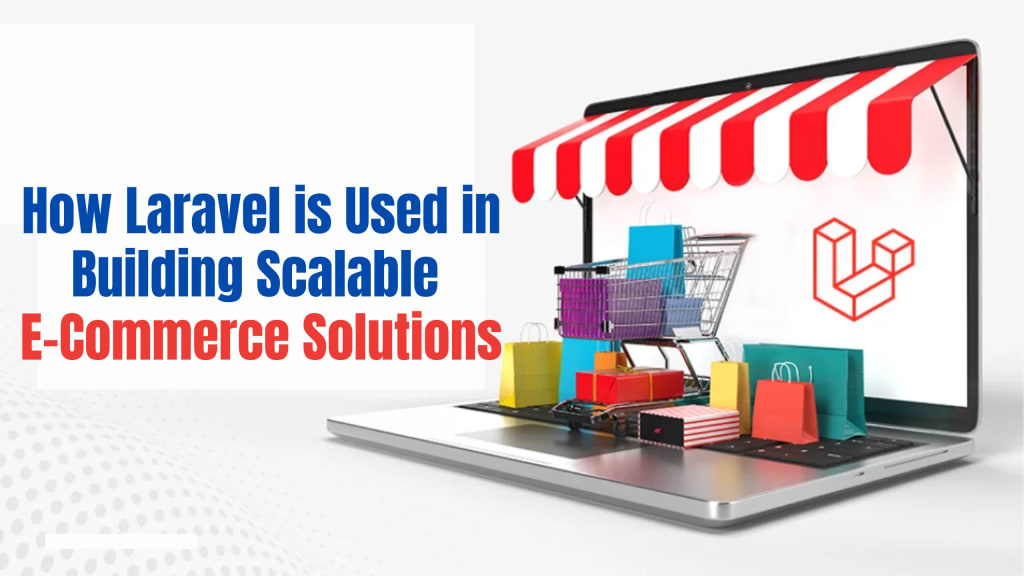
In the world of e-commerce, businesses need solutions that are not only functional but also scalable, secure, and efficient to keep up with the growing demands of the digital marketplace. Whether it's managing a large product catalog, handling thousands of simultaneous users, or integrating with various third-party services, the framework used to build the e-commerce platform plays a critical role in ensuring smooth performance and long-term success.
Laravel, an open-source PHP framework, has emerged as one of the most popular choices for developing modern, scalable, and feature-rich e-commerce platforms. Known for its simplicity, elegant syntax, and robust features, Laravel offers a powerful toolkit for building custom e-commerce solutions that are scalable, maintainable, and secure.
In this blog post, we will explore how Laravel is used in building scalable e-commerce solutions. We will discuss its features, benefits, and the various ways it helps developers create high-performance e-commerce platforms. Additionally, we will highlight how companies can benefit from Laravel by collaborating with the best Laravel development company or an eCommerce App Development Company to bring their e-commerce ideas to life.
Why Choose Laravel for E-Commerce Development?
Laravel has quickly become a preferred choice for developers and businesses alike when it comes to building scalable e-commerce applications. There are several reasons why Laravel is a go-to framework for creating robust and high-performance e-commerce platforms.
1. MVC Architecture
Laravel follows the Model-View-Controller (MVC) architecture, which helps separate the application’s logic from the user interface. This separation leads to better organization of code, easier maintenance, and improved scalability. For large e-commerce applications that require frequent updates and expansions, this structure ensures that the code remains clean, easy to manage, and scalable as the business grows.
2. Robust Routing System
E-commerce websites typically have a wide range of URLs and routes, such as product pages, shopping carts, user profiles, and more. Laravel’s routing system allows developers to define clean and SEO-friendly URLs that are easy to manage. Furthermore, it supports advanced routing techniques, making it easier to handle various page structures, multiple languages, and dynamic URLs.
3. Security Features
Laravel has several built-in security features, such as SQL injection prevention, cross-site request forgery (CSRF) protection, and password hashing. E-commerce websites, by nature, handle sensitive customer data, including payment details and personal information. Laravel ensures that this data is securely processed and stored, minimizing the risk of cyber-attacks.
Additionally, Laravel makes it easy to implement features like two-factor authentication (2FA) and email verification, which are essential for ensuring the security of user accounts.
4. Built-in Authentication & Authorization
Laravel provides ready-to-use authentication and authorization features, which is essential for e-commerce platforms where user accounts, product management, and transactions need to be controlled. Developers can easily implement login systems, password resets, and user role management to ensure the right access permissions for customers and administrators. With the ability to manage permissions and roles, developers can customize the user experience to allow for admin, customer, or vendor-specific actions on the platform.
5. Eloquent ORM
Laravel’s Eloquent ORM (Object Relational Mapper) simplifies database management by providing an elegant and easy-to-use interface to interact with databases. This is especially useful for large e-commerce platforms that need to manage complex product catalogs, inventory data, orders, and customer details. Eloquent’s ability to manage relationships between entities (such as customers and orders or products and categories) allows developers to build sophisticated models without the complexity of raw SQL.
6. Integration Capabilities
Laravel supports seamless integration with a wide range of third-party services, payment gateways, and APIs. Whether you want to integrate with PayPal, Stripe, Amazon Pay, or even create your own Laravel API development, Laravel’s flexible architecture allows you to integrate these services smoothly. This flexibility is particularly useful for e-commerce platforms that require integration with various external systems, such as inventory management systems, accounting tools, or shipping services.
7. Laravel Ecosystem and Packages
The Laravel ecosystem is rich with packages and tools designed to accelerate development. For instance:
Laravel Cashier simplifies subscription billing for SaaS-based e-commerce platforms.
Laravel Passport provides a full OAuth2 server implementation for API authentication, which is essential for modern e-commerce applications with mobile or third-party app integrations.
Laravel Horizon offers an elegant dashboard for monitoring queue jobs, which is particularly useful for handling large queues of orders and processing payments in real-time.
Laravel's comprehensive set of tools and packages enables businesses to enhance the capabilities of their e-commerce platforms, adding new functionalities as needed.
Key Features of Scalable E-Commerce Solutions Built with Laravel
Laravel provides various built-in tools and features that are critical in building scalable and efficient e-commerce platforms. Below are some key features that contribute to the scalability of Laravel-based e-commerce solutions.
1. Database Scalability with MySQL and NoSQL
Laravel supports both SQL and NoSQL databases. While MySQL or PostgreSQL is often used for structured data, Laravel also allows easy integration with NoSQL databases like MongoDB. By using database sharding, caching, and database indexing, developers can optimize performance and handle large datasets more effectively. For e-commerce platforms that anticipate rapid growth, Laravel’s scalability in terms of database management becomes crucial.
Additionally, Laravel migrations allow developers to create and manage database schemas, making it easier to scale up as new features are added.
2. Caching Mechanisms for Performance
Laravel has a powerful caching system that supports several caching backends, including Memcached, Redis, and database caching. Caching is vital for e-commerce platforms because it improves the performance of repeated queries, reducing database load and speeding up response times for users. For e-commerce applications, caching can be used to store frequently accessed product details, categories, and other data that don’t change frequently.
3. Queue Management for Processing Orders
E-commerce platforms often need to handle multiple concurrent operations, such as processing orders, sending email notifications, and updating inventory. Laravel’s built-in queue system enables background processing of tasks, ensuring that these operations don’t block the user interface. Whether you’re sending out marketing emails or generating invoices, Laravel’s queue management ensures that these tasks are processed asynchronously, providing a smoother user experience.
4. Multiple Payment Gateway Integration
With Laravel, integrating multiple payment gateways is simple. Laravel’s flexible architecture supports integration with several third-party services, including payment processors like PayPal, Stripe, Razorpay, and more. Developers can implement custom payment solutions or leverage Laravel's ready-made packages for seamless integration. For large-scale e-commerce platforms that serve international markets, having multiple payment options available is a critical feature for customer satisfaction.
5. Multi-Language and Multi-Currency Support
As e-commerce becomes a global business, supporting multiple languages and currencies is essential for broadening your customer base. Laravel offers built-in localization features, which help developers easily translate the content into different languages. Additionally, Laravel supports handling multiple currencies and can integrate with currency conversion APIs to provide a seamless shopping experience for international customers.
6. Mobile Optimization and APIs
Laravel's flexibility extends to mobile applications, allowing businesses to develop progressive web apps (PWAs) or integrate mobile applications using Laravel API Development. Laravel offers robust tools for developing RESTful APIs, which can be consumed by mobile apps or third-party systems. This ensures that e-commerce platforms are mobile-friendly, providing customers with a smooth shopping experience across all devices.
7. SEO Optimization
Search Engine Optimization (SEO) is crucial for e-commerce platforms to drive organic traffic. Laravel helps developers create SEO-friendly URLs, meta tags, and sitemaps, which can improve the visibility of your products on search engines. Additionally, the ability to manage URL redirects and custom page templates ensures that e-commerce platforms stay optimized for search engines as they grow and evolve.
Benefits of Working with an E-Commerce App Development Company
While Laravel offers a powerful set of tools for building scalable e-commerce solutions, leveraging the expertise of an experienced eCommerce App Development Company can make a significant difference. Here’s why:
- Expertise in Laravel: A skilled best Laravel development company will have in-depth knowledge of Laravel’s core features and packages, ensuring that your e-commerce platform is built efficiently and follows best practices.
- Custom Solutions: An experienced development team can tailor the platform to meet the unique requirements of your business, whether you need custom payment processing, multi-vendor functionality, or complex shipping integrations.
- Scalability: A dedicated team understands how to architect scalable systems, ensuring that your platform can handle increasing traffic and transaction volumes as your business grows.
- Post-Launch Support: An eCommerce App Development Company can provide ongoing maintenance and updates, ensuring that your platform stays secure, up-to-date, and competitive in the market.
Conclusion
Laravel has become a dominant framework for building scalable, secure, and high-performance e-commerce platforms. Its elegant syntax, powerful features, and scalability make it an excellent choice for businesses looking to develop custom e-commerce solutions. By leveraging the expertise of a best Laravel development company or an eCommerce App Development Company, businesses can create tailored solutions that cater to their specific needs and scale as they grow.
Laravel’s built-in security, database management, and seamless integration with third-party services make it an ideal choice for building e-commerce platforms that can withstand the growing demands of online retail. Whether you're building a simple online store or a complex, multi-vendor marketplace, Laravel offers the flexibility, tools, and ecosystem to bring your e-commerce vision to life.
About the Creator
Bella Swan
Hi, I’m Swan Bella, a marketing manager with five years of IT experience. At Octal IT Solution, a best android app development company.
Keep reading
More stories from Bella Swan and writers in 01 and other communities.
PHP for Digital Wallet Development: Security & Features
In today’s digital age, wallets are no longer made of leather and plastic. Instead, digital wallets have emerged as a crucial part of online transactions. These applications allow users to store, send, and receive payments in a secure, efficient, and user-friendly environment. But what powers these digital wallets? One of the most reliable and popular languages is PHP (Hypertext Preprocessor). In this article, we'll delve into how PHP is used in the development of digital wallets, its security features, and why it's an excellent choice for building a secure, feature-rich wallet system.
By Bella Swan10 months ago in 01
Configure KeyLocker for JarSigner using the DigiCert KSP Library
Prerequisites Before configuring KeyLocker for JarSigner, please ensure you have the following components and environment set up. Each of these is necessary and plays a role in establishing a contracted, secure, engaging signing environment.
By Anna Shipmana day ago in 01


Comments (1)
I love using Laravel! Holy cow’! Great work!