
How Hello Kitty and Labubu Became the Face of Cute Overconsumerism
What do a mouthless cat and a toothy gremlin have in common? They’ve both turned childlike charm into billion-dollar marketing machines.


In a world dominated by fast trends and emotional marketing, two unlikely characters—Hello Kitty and Labubu—have emerged as icons of modern overconsumerism. What began as harmless collectibles have turned into global consumer phenomena, fueling frenzied buying habits among adults and children alike. This article explores how these kawaii (Japanese for "cute") characters became commercial powerhouses and why we keep coming back for more.
The Rise of Hello Kitty: Simplicity as a Selling Point
Hello Kitty, born in 1974 by Japanese company Sanrio, was originally intended to decorate a simple coin purse. Designed without a mouth (to allow people to project their own feelings onto her), Hello Kitty was instantly marketable—not just as a character but as a feeling. Her creator, Yuko Shimizu, envisioned her as a British schoolgirl to appeal to Japanese fascination with the West.
Sanrio quickly realized that Hello Kitty could be more than a mascot; she could be an empire. By the 1980s, the brand began licensing her image across a vast range of products—stationery, lunch boxes, clothing, home goods, and later, luxury collaborations and tech gadgets. As the character aged with her fans, her brand expanded to reach adults as well as children.
What Sanrio mastered was emotional branding. Hello Kitty didn’t need a backstory or personality—she became a blank canvas for personal projection. This allowed consumers of all ages and backgrounds to see a piece of themselves in her. But it also created an insatiable demand: the more Hello Kitty products you owned, the closer you felt to her. This marked the beginning of cute overconsumerism.
- Key stat: By 2024, Hello Kitty had generated over $80 billion in global merchandise revenue.
- Marketing secret: Sanrio licenses the character to thousands of products—from stationery to luxury cars—ensuring constant visibility.
The character's emotional flexibility, nostalgic value, and universal appeal turned her into a timeless symbol of comfort—and excessive consumption.
Labubu: The New-Age Mascot of Blind Box Addiction
Labubu, created by artist Kasing Lung and distributed by Chinese company Pop Mart, hit the market in 2019. Unlike Hello Kitty’s soft innocence, Labubu has a mischievous, slightly creepy charm—wild eyes, toothy grin, and eerie cuteness that appeals to Gen Z and millennials alike.
- Blind box strategy: Pop Mart uses the “mystery box” model—buyers don’t know which figure they’ll get until they open it.
- Limited editions: Rare Labubu figures are resold online at inflated prices, creating hype and scarcity.
The result? A global collecting craze, fueled by dopamine hits, FOMO, and social media virality—making Labubu a symbol of kidult consumerism.
Why Adults Can’t Resist “Cute” Collectibles
The phenomenon of overconsuming cute products isn’t just about aesthetics. It’s deeply psychological.
- Emotional comfort: In uncertain times, cute things offer stability and nostalgia.
- Status and community: Sharing collections online fosters a sense of identity and belonging.
- Surprise and scarcity: Limited runs and blind-box designs make collecting feel like a game—and a challenge.
What started as innocent affection for cute toys quickly spirals into compulsive buying behaviors, especially when combined with influencer marketing and celebrity endorsements.
The Psychology Behind the Appeal
The appeal of Hello Kitty and Labubu lies deeper than surface-level cuteness. They both tap into the psychological phenomena of:
1. Nostalgia
Hello Kitty, in particular, is strongly tied to childhood memories for generations. The mere sight of her bow-clad face can trigger powerful emotional reactions, making consumers more likely to purchase products associated with those emotions.
2. Attachment Theory
People often form parasocial relationships with fictional characters. This sense of personal attachment can fuel ongoing purchasing behavior, especially when new product lines are introduced.
3. FOMO and Collectibility
Labubu’s limited drops and Hello Kitty’s many collaborations create urgency. Fear of missing out (FOMO) is a proven driver of compulsive buying, especially in communities where ownership equates to belonging or status.
4. Self-Expression
Cute consumer products allow individuals to showcase their personality. Whether it’s a Hello Kitty rice cooker or a rare Labubu art toy, ownership becomes a form of identity signaling.
Cute Commodification: When Identity Becomes Merchandise
Both Hello Kitty and Labubu exemplify how cuteness becomes commodified. Originally innocent or artistic expressions, they are now heavily monetized and endlessly merchandised. This phenomenon has cultural critics concerned. When every iteration of a character becomes a product—from lipsticks to home décor to NFTs—it ceases to be just a character and becomes a lifestyle to be bought and displayed.
In this way, cute overconsumerism turns identity into inventory.
Consumers are no longer just fans; they are collectors, curators, and marketers. Social media further exacerbates this cycle, as users showcase their collections online, receive validation, and feel pressure to acquire more. Unboxing videos, “shelfie” posts, and collector forums perpetuate a loop of desire, purchase, and performance.
The Dark Side of Cute Consumerism
Both Hello Kitty and Labubu highlight the downsides of overconsumption in the name of cuteness:
- Environmental impact: Most figures are plastic-based, contributing to waste.
- Financial strain: Limited editions and resale culture can lead to overspending.
- Emotional manipulation: Marketing preys on nostalgia and the desire for comfort, blurring the line between joy and addiction.
Conclusion
Hello Kitty and Labubu may wear cute faces, but they also represent a deeper trend in today’s consumer culture: the emotional commercialization of innocence. Through clever branding, psychological design, and social influence, they’ve become more than toys—they’re symbols of overconsumerism, wrapped in cuteness.
If you're collecting for joy, enjoy it. But if you're collecting because you feel like you have to—maybe it’s time to pause and ask: Who’s really in control? You, or the cute little monster on your shelf?
About the Creator
Rakesh Khushwaha
If You Wait For Perfect Conditions, You'll Never Get Anything Done!!!
Keep reading
More stories from Rakesh Khushwaha and writers in 01 and other communities.
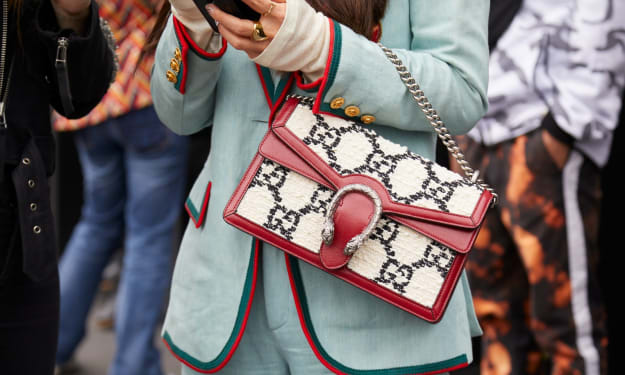
Handbags, Fashion Identity, and the Broader Context of Gucci Bags
Handbags have remained essential accessories across centuries, adapting to changes in clothing, lifestyle, and social norms. What began as simple pouches for carrying coins or personal items gradually transformed into structured designs that reflect craftsmanship and cultural values. Today, handbags are both functional objects and visual expressions of identity, shaped by history as much as by fashion trends.
By charliesamuel7 days ago in 01
Ludacris and Nelly draw backlash over bookings at MAGA-coded music festival
Ludacris and Nelly headlining a mostly right-wing event is good for them. It’s also great for the genre of hip hop. The two rap veterans have showcased their talents on other stages. Why can’t they perform for mostly MAGA folks and grab that bag?
By Skyler Saunders3 days ago in Beat



Comments
There are no comments for this story
Be the first to respond and start the conversation.