
How Healthcare is Applying Blockchain Technology?
Lets explore how blockchain is being used in healthcare today and its potential to revolutionize the industry in the future.

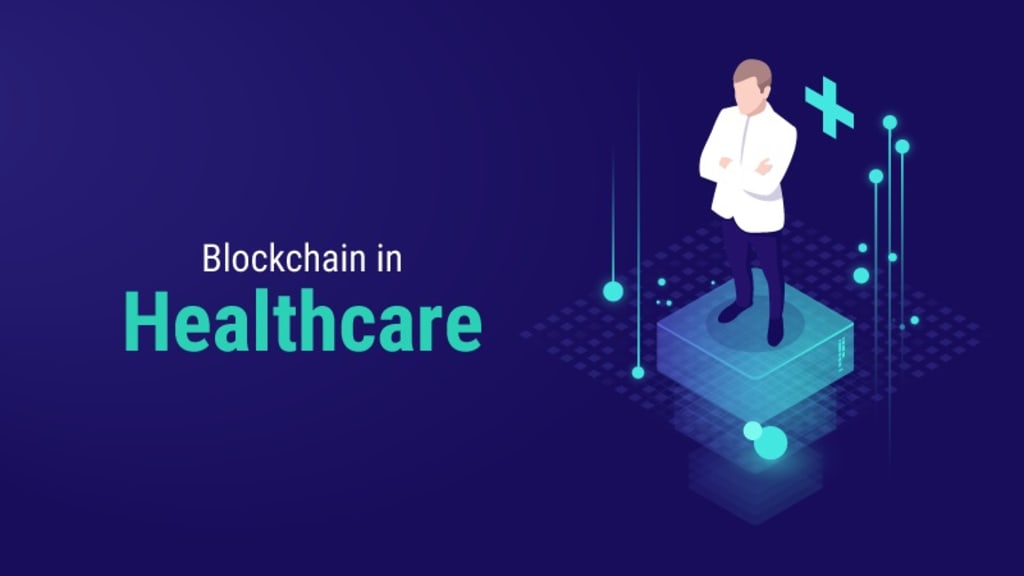
In the world of healthcare, data is everything. From patient records to clinical trial results, from insurance claims to research findings, healthcare systems rely on secure, accurate, and efficient data management.
However, this reliance on data also presents the challenges of maintaining privacy, preventing fraud, and ensuring seamless information sharing across disparate systems.
Blockchain technology, often associated with cryptocurrencies like Bitcoin, has emerged as a potential game-changer for addressing these challenges.
Blockchain, at its core, is a decentralized and immutable ledger system that allows data to be securely recorded, stored and shared across multiple parties without the need for intermediaries.
Each piece of data (a "block") is linked together in a chain, forming a record that cannot be altered once it is validated.
How Blockchain Technology Transforms the Healthcare Industry?
1. Enhanced Data Security and Privacy
One of the primary concerns in healthcare is data security. Unfortunately, healthcare data breaches are common and often expose sensitive patient information, which can be exploited for identity theft or fraud.
Blockchain’s inherent design, which encrypts and decentralizes data, offers a solution to this issue.
Blockchain in healthcare industry ensures data is encrypted and only accessible to those who have the necessary permissions.
Instead of storing patient records in a central location that could be a target for hackers, blockchain distributes this information across multiple nodes, reducing the risk of centralized data breaches.
In addition, blockchain’s immutability means once data is entered into the system, it cannot be altered, ensuring the integrity of patient records.
2. Interoperability of Healthcare Systems
One of the most significant challenges in the healthcare industry is interoperability—the ability for different healthcare systems to communicate with each other and share data efficiently.
Electronic health records (EHRs) are often stored in disparate systems, leading to inefficiencies, delays in care, and difficulty in maintaining up-to-date patient information.
Blockchain technology can improve interoperability by providing a standardized, decentralized platform where patient data can be securely shared across various healthcare providers, institutions, and systems.
This allows for real-time access to patient data, regardless of the system in which it was initially stored, without the need for complex integrations between different platforms.
3. Supply Chain Management
The pharmaceutical industry is another area where blockchain can have a profound impact. From the manufacturing of drugs to their distribution, the pharmaceutical supply chain is incredibly complex and often plagued by fraud, counterfeiting, and inefficiencies.
Blockchain technology can ensure that every step of a drug’s journey—from production to distribution to point-of-sale—is recorded on an immutable ledger, providing a transparent and traceable record of each transaction.
According to the Stellar blockchain app development company, this level of transparency can help reduce counterfeit drugs entering the market, ensuring that patients receive genuine medications.
4. Clinical Trials and Research
Clinical trials are essential for the advancement of medical science, but the process is often slow, expensive, and susceptible to data manipulation or fraud. Blockchain’s ability to provide transparent, immutable records has the potential to address some of these issues.
Blockchain can be used to securely store and share clinical trial data, ensuring that researchers have access to reliable, unaltered information.
By recording trial data on a blockchain, researchers can prevent the tampering of trial results and ensure that all changes or updates are properly documented and transparent.
5. Reducing Fraud and Billing Issues
Fraud is a persistent issue in healthcare, especially when it comes to billing and insurance claims. Blockchain can help address this by providing a secure, transparent system for tracking claims and payments.
Each transaction related to a claim—whether it’s the submission of a bill, the approval of insurance coverage, or the payment of medical services—can be recorded on a blockchain, ensuring that the entire process is verifiable and auditable.
For example, a hospital can record the services provided to a patient, and the insurance company can then review the claim on the blockchain to verify that it matches the agreed-upon terms.
Hire healthcare app developers to reduce the likelihood of billing errors or fraudulent claims and ensure that all parties involved can easily verify the legitimacy of claims.
6. Patient-Centered Care
At its core, blockchain technology can shift the power dynamic in healthcare from centralized institutions to the patients themselves. With blockchain, patients could own and control their health data, choosing who has access to it and for how long.
This means that patients can more easily switch healthcare providers, access second opinions, or participate in research studies without losing control of their personal information.
Furthermore, patients can be incentivized to participate in health programs or share their data for research purposes through tokenized rewards, a concept being explored in blockchain-based healthcare platforms.
This patient-centric approach could lead to more personalized and efficient care, as healthcare providers have access to more accurate and up-to-date patient information.
7. Future of Blockchain in Healthcare
While blockchain is still in the early stages of adoption in healthcare, its potential is vast. As the technology matures, we may see even greater advancements, such as:
● Blockchain-based telemedicine platforms that securely handle consultations, prescriptions, and patient records.
● Decentralized healthcare networks where patients can choose their care providers and participate in clinical trials without relying on centralized authorities.
● Blockchain for genomics, where genetic data is stored and shared securely, enables precision medicine.
As more organizations begin to adopt blockchain in healthcare, the industry will likely see increased collaboration, reduced costs, and a more patient-centered approach to care.
Conclusion
Blockchain technology holds immense potential for revolutionizing healthcare. From improving data security and privacy to enhancing interoperability, reducing fraud, and enabling more transparent clinical trials, blockchain has the power to solve some of the most pressing challenges in the industry.
While the full-scale adoption of blockchain in healthcare is still a work in progress, its potential to transform the healthcare landscape is undeniable.
Blockchain development company promises a future where healthcare systems are more efficient, secure, and patient-centered than ever before.
About the Creator
Anurag Jain
Anurag Jain is the Senior SEO Analyst at Dev Technosy, a global ranking custom software development company.
website: https://devtechnosys.com/
Keep reading
More stories from Anurag Jain and writers in 01 and other communities.
What is The Difference Between Blockchain And Cryptocurrency?
Two of the most discussed phrases in the banking and technology industries in recent years are blockchain and cryptocurrency. Despite their frequent interchangeability, they stand for two different but related ideas that are not the same.
By Anurag Jainabout a year ago in 01
iPhone 18 Pro Leaks Drama: The Dynamic Island Confusion Explained
The iPhone 18 Pro is already stirring up controversy, and it all started with a viral video from FPT. The renders showed off what looked like a major display redesign—one where the Dynamic Island had been shifted over to the left side of the screen. Unsurprisingly, the internet went into meltdown mode.
By Info Post Gate3 days ago in 01
Jeff Bezos Denies Polymarket Claim, Rekindling Debate Over Fake News on Betting Platforms Camila Grigera Naón
Polymarket has become embroiled in a scandal regarding a social media post it made about Amazon founder Jeff Bezos. The prediction market claimed he had recently recommended younger entrepreneurs to work regular jobs before starting a business.
By Dena Falken Esq5 days ago in 01



Comments
There are no comments for this story
Be the first to respond and start the conversation.