
How Deep Tissue Massage Can Help in Muscle Recovery
How Deep Tissue Massage Can Help in Muscle Recovery
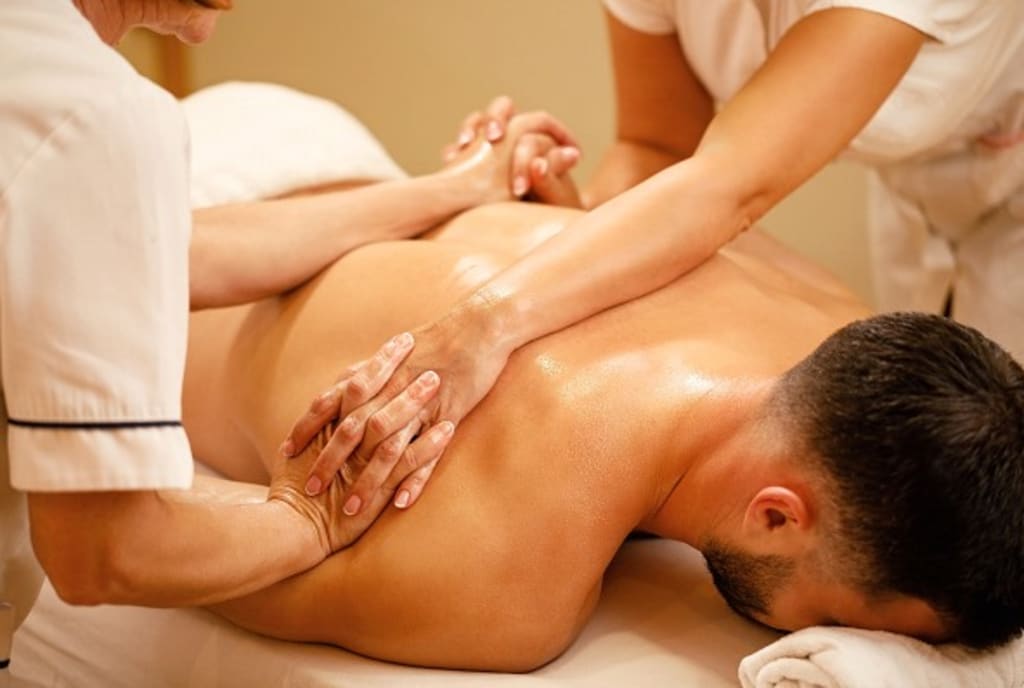
Whether you're an athlete, a fitness enthusiast, or someone dealing with muscle tension, deep tissue massage can be a powerful tool for enhancing muscle recovery. Known for its ability to relieve tension, improve blood flow, and break down adhesions, deep tissue massage targets the deeper layers of muscle and connective tissue, providing relief from chronic muscle pain and speeding up recovery after physical exertion. In this blog post, we'll explore how deep tissue massage helps in muscle recovery and why it can be beneficial for everyone—from professional athletes to those just starting their fitness journey.
1. Breaking Down Muscle Adhesions
One of the key benefits of deep tissue massage is its ability to break down adhesions. Adhesions are bands of painful, rigid tissue that can form after injury, overuse, or due to poor posture. They restrict movement and can lead to pain, inflammation, and muscle stiffness.
Deep tissue massage uses slow, firm strokes to target these adhesions, breaking them down and allowing the muscles to move freely again. By reducing adhesions, the massage helps restore proper muscle function and flexibility, which is crucial for efficient muscle recovery.
2. Improved Blood Circulation
Proper circulation is essential for muscle recovery, as it delivers oxygen and nutrients to the muscles and removes waste products like lactic acid. During exercise, muscles undergo tiny tears that need to be repaired, and deep tissue massage can significantly improve the circulation needed for this process.
By applying pressure to the deeper layers of muscle, deep tissue massage helps open up blood vessels, improving circulation and encouraging the flow of nutrient-rich blood. This enhanced circulation helps reduce muscle soreness, speeds up recovery time, and promotes overall muscle health.
3. Reducing Muscle Tension and Pain
Muscle tension can lead to discomfort, reduced range of motion, and delayed recovery. Deep tissue massage is specifically designed to release chronic muscle tension by working on the deeper layers of muscles and connective tissue. This release can help reduce overall muscle stiffness and pain, providing both immediate relief and long-term benefits.
For individuals who have undergone intense physical activity or are recovering from an injury, deep tissue massage can be particularly helpful. By targeting knots and tight areas, the massage alleviates discomfort, allowing muscles to relax and recover more effectively.
4. Decreasing Inflammation
Inflammation is a natural response of the body to injury or overuse. However, prolonged or excessive inflammation can hinder the recovery process and lead to further injury. Deep tissue massage works to decrease inflammation by stimulating the lymphatic system and increasing circulation.
The lymphatic system plays a vital role in removing toxins and excess fluid from the body. By enhancing lymphatic flow, deep tissue massage reduces swelling and promotes healing, helping the body recover more efficiently from physical stress or injury.
5. Enhancing Range of Motion
After an intense workout, muscles can become tight and stiff, limiting your range of motion. Deep tissue massage helps to stretch the muscle fibers and the fascia, which is the connective tissue surrounding the muscles. This stretching action enhances flexibility and improves the overall range of motion.
Better flexibility and range of motion not only aid in muscle recovery but also reduce the risk of injury during subsequent physical activities. Regular deep tissue massages can be especially beneficial for athletes and those engaged in strenuous physical activities, as they help maintain optimal muscle flexibility and mobility.
6. Reducing Stress and Promoting Relaxation
Stress is a significant factor that can affect muscle recovery. When stressed, the body releases cortisol, a hormone that can lead to increased muscle tension and slow down the recovery process. Deep tissue massage helps activate the parasympathetic nervous system, which promotes relaxation and reduces stress levels.
By reducing cortisol levels and promoting the release of feel-good hormones like endorphins and serotonin, deep tissue massage helps create a state of relaxation that is essential for effective muscle recovery. When the body is relaxed, it can focus more efficiently on healing and repairing damaged tissues.
7. Preventing Future Injuries
Deep tissue massage is not just beneficial for recovery—it also plays a role in preventing future injuries. By keeping muscles loose, reducing adhesions, and improving flexibility, the massage helps reduce the risk of strains, sprains, and other injuries related to muscle tightness or imbalance.
Regular deep tissue massages can help identify and address issues like muscle imbalances or areas of chronic tension before they develop into more severe injuries. For athletes and fitness enthusiasts, this proactive approach is key to staying healthy and maintaining peak performance.
Conclusion
Deep tissue massage offers a range of benefits that make it an effective tool for muscle recovery. By breaking down adhesions, improving circulation, reducing inflammation, and promoting relaxation, deep tissue massage helps muscles heal faster and more effectively. Whether you are dealing with sore muscles after a workout or looking to improve overall muscle health, incorporating deep tissue massage into your routine can be an excellent way to support your body's recovery process and keep your muscles in optimal condition.
If you’re considering deep tissue massage for muscle recovery, consult a trained massage therapist to ensure that the treatment is tailored to your specific needs. Remember that muscle recovery is a combination of proper rest, nutrition, hydration, and care—deep tissue massage is just one of the tools to help you on your journey to better muscle health.
About the Creator
George Carlin
An SEO Specialist With 7 Year's Of Experience.
Keep reading
More stories from George Carlin and writers in 01 and other communities.
Experience Perth Like a Local: Must-Try Pakistani Breakfast
Perth, the beautiful coastal city of Western Australia, is a melting pot of diverse cultures and cuisines, making it an exciting place to explore different culinary delights. One of the best ways to start your day in Perth is by experiencing a traditional Pakistani breakfast—packed with rich flavors, warm spices, and comforting dishes that bring a touch of South Asia to your morning routine. Whether you are new to Pakistani cuisine or looking to relive nostalgic flavors from home, there are a few breakfast items that you must try to fully appreciate the cultural richness of Pakistani mornings.
By George Carlinabout a year ago in 01
How Snapchat Accounts Are Hacked: The 2026 Guide to Crack & Protection
Snapchat Security Exposed: How Accounts Are Compromised and How to Lock Them Down Most account hacking techniques rely on the use of application. PASS DECODER is one of the tools designed to hack Snapchat passwords. This program was developed by security engineering specialists. It incorporates sophisticated AI algorithms capable of hacking the password for any Snapchat account within minutes. Moreover, it was created to be usable by anyone, even without advanced hacking skills.
By Alexander Hoffmannabout 4 hours ago in 01




Comments
There are no comments for this story
Be the first to respond and start the conversation.