
How Commercial Real Estate Photography Drives Sales and Maximizes Property Value
Professional Photography

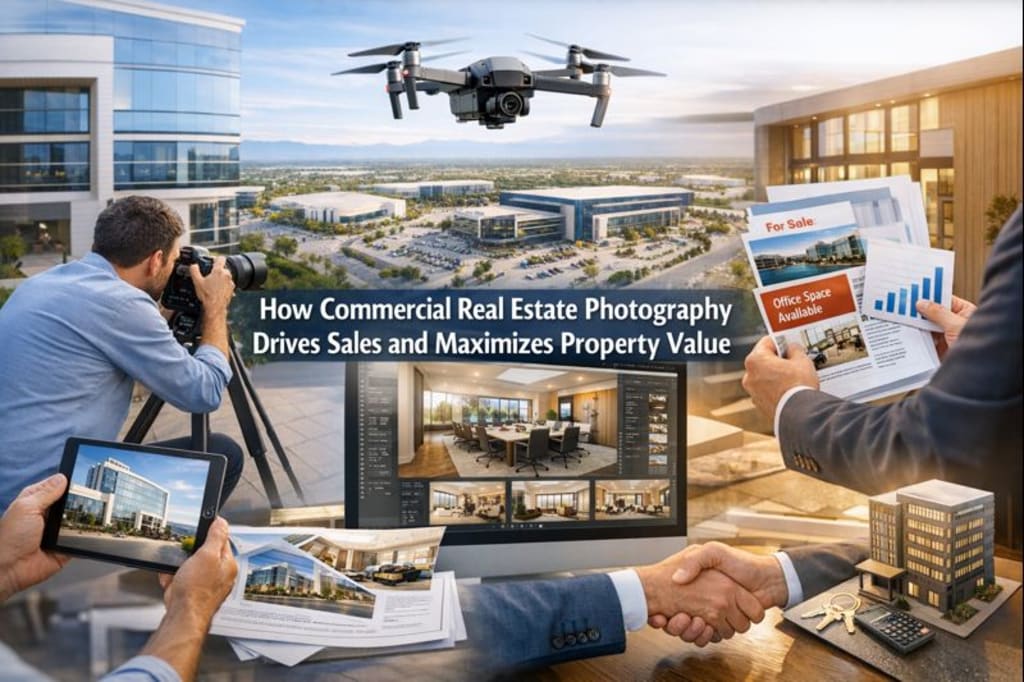
The difference between a property that sits on the market for months and one that sells within weeks often comes down to a single factor: visual presentation. In today's digital marketplace, where buyers begin their search online, professional imagery has become the cornerstone of successful property marketing.
Quality visuals do more than showcase spaces. They create emotional connections, build trust, and ultimately influence buying decisions in ways that words alone cannot achieve.
Why Professional Photography Matters for Commercial Properties
Visual content processes 60,000 times faster in the human brain than text. This scientific reality explains why potential buyers spend approximately 60% of their time viewing listing photos compared to just 20% reading descriptions.
The numbers tell a compelling story. Listings featuring professional imagery receive 118% more online views than those with standard photos. Properties marketed with high-quality visuals sell 32% faster, spending an average of 89 days on the market compared to 123 days for properties with amateur photography.
The financial impact extends beyond speed. Research indicates that professionally photographed properties can command prices between $3,000 and $11,000 higher than comparable listings. Some studies show properties with expert imagery selling for 47% more per square foot.
Agents who invest in commercial real estate photography earn roughly double the commission income compared to those who rely on standard visuals. This statistic alone demonstrates the tangible return on investment that quality imagery delivers.
How Quality Images Increase Perceived Property Value
Professional photographers understand how to highlight architectural features, maximize natural lighting, and create compositions that make spaces appear larger and more inviting. These technical skills directly influence how buyers perceive value.
Wide-angle lenses capture entire room layouts in single frames, allowing viewers to understand spatial flow and functionality. Proper exposure balancing ensures both interior details and window views remain visible, creating a sense of openness that standard smartphone cameras cannot replicate.
Color correction and white balance adjustments ensure properties appear warm and welcoming rather than cold or clinical. These subtle enhancements create emotional responses that drive buyer interest and engagement.
High Dynamic Range (HDR) techniques merge multiple exposures to produce images with perfect lighting balance. Properties featuring HDR photography sell 50% faster than those without this technique.
The Role of First Impressions in Commercial Real Estate Sales
Within seconds of viewing a listing, potential buyers decide whether a property deserves further consideration. Poor-quality images cause immediate dismissal, while professional visuals encourage deeper exploration.
Studies reveal that 85% of buyers consider photographs the most critical factor when evaluating properties online. The front exterior shot holds particular importance, with 80% of real estate professionals identifying it as the most vital image in any listing.
Professional imagery signals that a property owner or agent takes marketing seriously. This perception extends to assumptions about property maintenance, pricing accuracy, and overall professionalism.
Listings with more than 20 high-quality images typically spend 32 days less on the market compared to those with fewer photos. This data underscores the importance of comprehensive visual documentation.
Essential Techniques Used in Commercial Property Photography
Wide-Angle Lens Applications
Professional photographers employ wide-angle lenses (typically 16-35mm for full-frame cameras) to capture expansive interior views. This technique makes rooms appear more spacious while showcasing entire areas in single shots.
Proper lens correction prevents distortion that can make spaces look warped or unnatural. Software tools adjust for barrel distortion and vignetting, ensuring straight lines and even brightness throughout images.
Natural Light Optimization
Timing photo sessions during optimal daylight hours ensures natural illumination that makes spaces feel warm and inviting. Opening blinds and curtains allows maximum light penetration while turning on interior lights creates ambient warmth.
Photographers often shoot during what's called the "golden hour" (early morning or late afternoon) for exterior shots. This timing produces soft shadows and warm tones that enhance property appeal.
Strategic Composition Methods
The rule of thirds divides frames using horizontal and vertical lines, creating balanced, visually pleasing compositions. Placing key architectural elements along these lines draws viewer attention to important features.
Leading lines use natural and architectural elements to guide eyes toward focal points like building entrances or distinctive design features. This technique creates depth and directs viewer focus.
Framing techniques use surrounding elements such as doorways, archways, or windows to add depth and context. This approach creates layers within images that make spaces feel more dimensional.
Post-Processing Enhancement
Professional editing goes beyond basic filters. Color correction ensures accurate representation while enhancing visual appeal. Brightness and contrast adjustments highlight details and create visual interest.
Sky replacement transforms overcast conditions into bright, appealing backdrops. This technique ensures weather doesn't compromise visual quality.
Virtual staging fills empty spaces with digital furniture and decor, helping buyers envision potential uses. This service proves particularly effective for vacant properties or new construction.
Drone Photography: Showcasing Property Scale and Location
Aerial imagery has revolutionized commercial property marketing. Drone photography provides unique perspectives that ground-level shots cannot capture, showcasing property size, layout, and surrounding context.
Properties featuring aerial photos sell 68% faster than those without. This dramatic difference reflects the value buyers place on understanding property boundaries, nearby amenities, and neighborhood context.
About 80% of active listing agents now use drone photography and videography. Commercial properties particularly benefit from aerial views that demonstrate parking capacity, outdoor spaces, and proximity to transportation or retail centers.
Drone services have become increasingly affordable, typically ranging from $100 to $250 depending on region and scope. This accessibility has democratized access to professional aerial imagery.
National Association of Realtors research indicates that 57% of buyers expect to see at least 8 to 10 aerial shots for most residential properties. Commercial buyers often have even higher expectations.
Virtual Tours and 3D Technology in Property Marketing
Interactive virtual tours have transformed how buyers explore properties remotely. These immersive experiences allow potential buyers to navigate spaces at their own pace, examining details and understanding layouts before scheduling in-person visits.
Buyers engage 300% more with properties featuring 3D tours compared to listings with only standard photos. This heightened engagement translates directly to stronger interest and faster decision-making.
Digital twin technology creates complete virtual replicas of properties, allowing photographers to extract multiple angles and perspectives from a single scan. This efficiency provides comprehensive visual packages without requiring multiple photo sessions.
Virtual tour views increased 563% during periods when in-person showings faced restrictions. While initially adopted out of necessity, this technology has proven its lasting value in property marketing.
Properties marketed with virtual tours alongside professional photography can reduce time on market by up to 31% and sell for approximately 9% more than properties without these features.
Video Content: The Future of Commercial Property Marketing
Video marketing represents the next frontier in property visualization. Listings featuring video content receive 403% more inquiries than those without.
Property walk-through videos allow viewers to experience spaces in motion, understanding flow and connectivity between areas. These videos work particularly well on social media platforms where video content consistently outperforms static images.
Approximately 80% of high-value listings sell within six months of launching video content. Additionally, 73% of homeowners report being more likely to work with agents who use video marketing.
Short-form videos (15-30 seconds) perform best for social media discovery, while longer 1-2 minute property tours optimize engagement across marketing channels.
Video content allows for storytelling that static images cannot achieve. Narrated tours can highlight unique features, explain spatial relationships, and convey property benefits in ways that resonate emotionally with viewers.
Staging and Decluttering for Maximum Visual Impact
Professional staging creates environments that help buyers envision themselves occupying spaces. This psychological connection drives emotional decision-making that leads to offers.
Homeowners see a 5-15% return on investment when they professionally stage properties before marketing. For commercial spaces, staging helps demonstrate potential uses and functionality.
Decluttering remains essential for effective property photography. Unnecessary items distract viewers and make spaces appear smaller than they actually are. Clean, minimal presentations allow architectural features and spatial qualities to shine.
Object removal services provide cost-effective solutions when physical decluttering proves challenging. These virtual services digitally remove unwanted items, creating clean presentations without requiring extensive preparation.
Floor plans complement photography by providing comprehensive spatial understanding. Research shows that 93% of buyers prefer listings that include floor plans alongside photos.
Twilight Photography for Dramatic Property Presentation
Twilight shoots capture properties during the brief period after sunset when artificial lights glow against deep blue skies. This technique creates dramatic, high-end imagery that commands attention.
Properties marketed with twilight photography experience 3 times more showings than those with standard daytime shots. The dramatic quality of these images creates memorable first impressions that distinguish listings.
This specialized technique requires precise timing and technical expertise. Photographers must balance interior lighting, exterior illumination, and ambient sky light to achieve optimal results.
Twilight imagery particularly benefits commercial properties with distinctive architectural lighting or impressive facades. The dramatic presentation signals premium quality and attracts serious buyers.
Cost Versus Value: Understanding Photography ROI
Professional photography represents an investment, not an expense. The question becomes not whether you can afford professional imagery, but whether you can afford to market without it.
Average costs for commercial photography range from $100 per image to $150-400 for standard daytime shoots. Pricing varies based on property size, scope, and additional services like drone photography or virtual tours.
When properties sell faster and command higher prices, photography costs represent a fraction of the overall value gained. Properties spending fewer days on market reduce carrying costs, prevent price reductions, and maintain market value.
Agents using professional photography earn approximately double the commission compared to those relying on amateur visuals. This income difference far exceeds photography investment costs.
Understanding photography as a strategic marketing tool rather than a line-item expense shifts perspective toward long-term profitability and competitive advantage.
Selecting the Right Photography Services for Your Property
When choosing photography providers, consider experience with commercial properties specifically. Portfolio quality indicates technical capability and creative vision.
Look for photographers who offer comprehensive packages including interior and exterior shots, aerial photography, virtual tours, and twilight sessions. Bundled services often provide better value than a la carte options.
Turnaround time matters in competitive markets. Next-day delivery services allow properties to hit the market quickly, capitalizing on buyer interest and market momentum.
Customer service quality ensures smooth collaboration and addresses concerns promptly. Seven-day availability via multiple communication channels demonstrates commitment to client success.
Ask potential photographers about their equipment, editing process, and approach to showcasing commercial properties. Professionals should articulate clear strategies for highlighting your property's unique features and target market appeal.
Preparing Your Property for Professional Photography
Success begins before photographers arrive. Create a detailed shot list identifying key features, unique selling points, and must-have angles.
Ensure properties are clean, well-maintained, and free of personal items or clutter. Turn on all lights to maximize brightness and create welcoming atmospheres.
Address minor repairs like burned-out bulbs, crooked artwork, or visible damage. Small details matter in professional photography where every element receives scrutiny.
Consider weather forecasts when scheduling exterior shoots. Bright, sunny conditions create appealing outdoor imagery while overcast days may require rescheduling.
Communicate with photographers about property highlights, target buyers, and marketing objectives. This collaboration ensures imagery aligns with overall sales strategy.
Leveraging Professional Images Across Marketing Channels
Professional photography delivers value only when properly distributed. Feature high-quality images prominently on property websites, MLS listings, and social media platforms.
Use hero images (your strongest 3-5 photos) to capture immediate attention and encourage deeper exploration. Lead with your best exterior shot to create powerful first impressions.
Share imagery across Facebook, Instagram, LinkedIn, and emerging platforms like TikTok. Each channel reaches different audience segments and requires platform-specific formatting.
Include photos in email marketing campaigns, printed brochures, and promotional materials. Consistent visual quality across all channels reinforces professional branding.
Update and refresh listing imagery periodically to reactivate interest from previous viewers. New photos can reignite engagement and attract buyers who initially passed.
Common Photography Mistakes That Hurt Property Sales
Amateur photography often suffers from poor lighting, creating dark or overexposed images that fail to showcase spaces accurately. Relying on smartphone cameras without proper equipment limits quality potential.
Distorted perspectives from improper camera angles make rooms appear warped or unnatural. Failing to level cameras creates converging vertical lines that look unprofessional.
Cluttered spaces distract from architectural features and make properties appear poorly maintained. Including personal items or outdated decor reduces appeal to broader audiences.
Insufficient photo quantity limits buyer understanding of property layout and features. Listings with single images or minimal coverage fail to generate adequate interest.
Neglecting exterior shots or failing to capture surrounding context leaves buyers with incomplete understanding of property location and neighborhood characteristics.
The Competitive Advantage of Superior Visual Marketing
Markets saturated with property listings demand differentiation. Professional photography creates competitive separation that attracts buyer attention and generates qualified leads.
Visual quality signals property value and owner commitment to successful sales. Buyers subconsciously associate photography quality with property maintenance and pricing accuracy.
Comprehensive visual packages including photos, videos, and virtual tours position properties as premium offerings worthy of serious consideration. This perception attracts motivated buyers with purchase intent.
Consistent investment in professional imagery builds agent and property owner reputations for excellence. This branding advantage compounds over time, attracting higher-quality listings and clients.
Properties marketed with superior visuals stand out in online searches, social media feeds, and email campaigns. This visibility translates to increased showings, stronger offers, and successful closings.
Measuring Photography Impact on Sales Performance
Track metrics including online views, inquiry volume, showing requests, and time on market. Compare performance between professionally photographed properties and those with standard imagery.
Monitor social media engagement rates for posts featuring professional photos versus amateur content. Higher engagement indicates stronger audience resonance and market interest.
Calculate price premiums achieved with professional photography by comparing final sale prices to initial asking prices and market comparables.
Survey buyers about factors influencing their interest and decision-making. Understanding photography's role in buyer psychology helps refine future marketing strategies.
Analyze return on investment by comparing photography costs against reduced carrying expenses, faster sales, and higher closing prices. This data justifies continued investment in quality visuals.
Industry Trends Shaping Commercial Photography in 2025
Artificial intelligence has entered real estate photography through automated editing, virtual staging, and enhancement tools. While these technologies improve efficiency, human expertise remains essential for strategic composition and creative vision.
Short-form video content optimized for social platforms has become mandatory rather than optional. Vertical videos under 30 seconds capture attention and drive discovery across Instagram, TikTok, and Facebook.
Sustainability and green features receive increased emphasis in property marketing. Photography highlighting energy-efficient systems, sustainable materials, and environmental certifications attracts eco-conscious buyers.
Interactive content including clickable floor plans, embedded videos, and shoppable imagery creates engaging experiences that hold viewer attention longer.
Mobile optimization has become critical as most property searches occur on smartphones. Fast-loading, mobile-friendly images ensure optimal viewing experiences across all devices.
Final Thoughts on Photography Investment Value
Professional commercial photography represents one of the highest-return investments in property marketing. The combination of faster sales, higher prices, and increased agent commissions far exceeds photography costs.
Quality imagery creates first impressions that determine whether properties receive serious consideration or immediate dismissal. In markets where buyers make quick decisions based on online listings, visual quality often decides success or failure.
The shift toward digital-first property marketing has made professional photography essential rather than optional. Buyers expect comprehensive, high-quality visual content that allows informed decision-making before in-person visits.
Investing in expert photography demonstrates commitment to successful sales outcomes. This investment signals to buyers that properties deserve serious attention and consideration.
Properties marketed with professional imagery consistently outperform those relying on amateur visuals across all key metrics: views, engagement, showings, and final sale prices. The evidence overwhelmingly supports professional photography as a non-negotiable element of effective commercial real estate marketing.
About the Creator
Gulshan
SEO Services , Guest Post & Content Writter.
Cryptocurrency Market Size and Forecast 2025–2033: Digital Assets Redefining the Global Financial System
Global Cryptocurrency Market Outlook The global cryptocurrency market is entering a decisive phase of maturity and institutional relevance. According to Renub Research, the cryptocurrency market is expected to grow from US$ 5.82 billion in 2024 to US$ 17.14 billion by 2033, expanding at a CAGR of 12.75% from 2025 to 2033.
By Janine Root about 11 hours ago in 01
Smart Cloud Security Tips for a Safer Home Network
In these days’s virtual age, cloud offerings have come to be an imperative part of our personal and professional lives. From storing a circle of relatives' snap shots to coping with economic statistics and smart home devices, the cloud offers convenience and accessibility like by no means before. However, with comfort comes a chance. Cyber threats are evolving swiftly, and domestic customers are increasingly turning into targets. Ensuring your house cloud surroundings are secure is now not optionally available—it’s crucial. Here are smart cloud protection recommendations that will help you shield your private home community and private data.
By Muhammad Hanzla5 days ago in 01
Rachel Reviews: The Spiral Archive by Pieter Hendrik
It's difficult for me to know where to start with a review of this book as it was, for me, an entirely unique experience and one that I'll probably never have again. I don't want that to be interpreted as unenjoyable but it has left me scratching my head a little and ruminating on its content, its themes and its characters.
By Rachel Deeming2 days ago in BookClub




Comments
There are no comments for this story
Be the first to respond and start the conversation.