
How AI Predicts Fashion Trends Before They Go Viral
Discover how AI fashion analysis helps brands detect trends early, personalize styles, and drive sustainable fashion before they go viral.
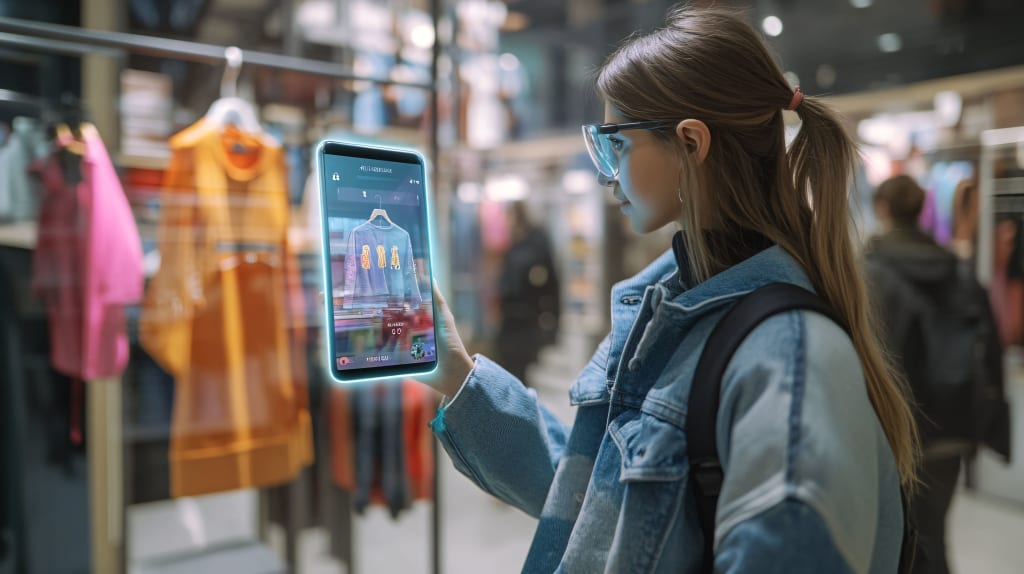
Ever wonder how certain brands always seem to launch the right style at just the right moment? It’s not fashion intuition or pure luck — it’s AI fashion analysis in action.
Today, the fashion world moves faster than ever. Trends emerge, go viral, and vanish in a matter of weeks. For brands and designers, staying ahead is essential. That’s where artificial intelligence steps in. By analyzing massive amounts of visual, social, and cultural data, AI doesn’t just follow trends — it predicts them.
Thanks to cutting-edge platforms like Glance AI, fashion is becoming more personalized, data-driven, and predictive. We're no longer waiting to see what’s next. With AI, we already know.
What Is AI Fashion Analysis and Why It’s a Game-Changer
At its core, AI fashion analysis refers to the use of machine learning and computer vision to examine images, videos, and social content to detect emerging fashion trends. But it’s far more than just identifying a popular color or a trending hashtag.
AI scans millions of photos daily — from runways to selfies — to identify patterns in what people are wearing and how styles are evolving. It understands details such as fabric types, color palettes, silhouettes, and accessories. It then correlates these with broader cultural moments, emotional sentiment, and global influences.
With AI fashion analysis, brands can:
Recognize over 2,000 fashion attributes in a single image
Forecast trend growth before it peaks
Understand consumer emotion behind fashion choices
Make smarter decisions around inventory and marketing
It’s no longer about reacting to what people are wearing — it’s about predicting what they will wear next. This is the essence of AI’s influence in fashion: fast, accurate, and insightful.
How AI Identifies Trends Before the Rest of Us
Social Media Image Analysis
Social platforms like Instagram and TikTok are rich sources of style data. Every day, AI tools process millions of posts to detect shifts in visual trends — from metallic fabrics to bold sleeves to unexpected color pairings. These tools track how often specific looks appear, where they’re being worn, and who’s wearing them.
Platforms like Heuritech scan more than three million images a day to detect these subtle, early signals. Brands then use this data to plan their next collection, long before a trend becomes mainstream. This gives them a head start in terms of production and marketing, securing their place as leaders in the fashion game.
Listening to the Online Conversation
Beyond visuals, AI fashion analysis listens to what people are saying. Natural language processing helps AI understand captions, comments, and hashtags to uncover the emotional drivers behind a trend. Is a style linked to comfort? Empowerment? Nostalgia?
By connecting fashion to emotion, AI provides deeper insight into which trends will resonate and which are just passing hype. It’s not just about what’s popular — it’s about what consumers truly connect with, allowing brands to craft more meaningful, targeted collections.
Spotting Aesthetic Crossovers
Fashion doesn’t evolve in isolation. AI detects connections between emerging trends in art, architecture, film, and even tech. If curved furniture and fluid forms dominate interior design, similar shapes may start influencing clothing silhouettes. AI identifies these patterns across industries and forecasts what’s coming based on shared visual language.
The cross-industry connections provide a holistic view of style, expanding the sources from which fashion trends emerge. AI allows brands to tap into these under-the-radar movements, often before anyone else notices them, giving them a significant advantage.
The Data That Proves AI’s Impact on Fashion
AI isn’t just a futuristic concept — it’s already delivering results for brands across the U.S. and beyond. Consider these statistics:
70% of retail executives plan to prioritize AI for demand forecasting by 2025
The AI in fashion market is expected to grow from $1.26 billion in 2024 to $1.77 billion in 2025
Traditional trend forecasting takes weeks or months; AI delivers insights in real-time
These figures highlight the growing role of AI in streamlining fashion decision-making, reducing waste, and enhancing customer satisfaction. The trend is clear: AI is here to stay, and it’s only going to get bigger and more impactful in the years to come.
Real-World Examples of AI Fashion Analysis
Heuritech
This Paris-based platform has helped luxury fashion houses anticipate and respond to emerging trends. Heuritech accurately predicted the rise of the “cottagecore” aesthetic well before it appeared on mainstream runways. It identified not just the visuals — like prairie dresses and floral prints — but also the emotional connection to nature and simplicity that defined the trend.
This kind of emotional insight is invaluable for luxury brands, enabling them to craft collections that aren’t just visually appealing but deeply resonant with consumers.
Print2Social
Designed for small businesses, Print2Social uses AI to analyze trending content and recommend print-on-demand designs aligned with emerging styles. It suggests popular colors, themes, and content ideas — enabling small brands to produce fashion-forward designs without big data teams. This democratization of fashion forecasting empowers smaller players to keep up with larger brands, leveling the playing field.
Google’s Virtual Try-On
Google uses AI to simulate how clothing fits and looks on a wide range of body types. This tool not only improves online shopping but also feeds valuable feedback into AI systems. It helps identify which styles work for different consumers, making future predictions more inclusive and accurate.
By focusing on inclusivity, Google’s tool ensures that fashion predictions account for all body types, reflecting a more diverse and realistic fashion landscape.
The Glance AI Advantage
The Glance AI advantage lies in its ability to go beyond traditional trend tracking by using AI fashion analysis to predict and curate future style experiences. It leverages a fashion intelligence engine trained on global cultural data, combined with a generative styling tool that delivers complete outfit suggestions based on personal vibe, occasion, and mood.
With its integration into the lock screen, Glance AI ensures that trend predictions aren’t just insights — they’re actionable style moments, available at a glance. It’s a seamless fusion of data, style, and technology, offering a unique value proposition for both brands and consumers alike.
Learn more about how Glance AI is driving this innovation on their official page.
Why AI Trend Forecasting Is Crucial Today
Staying Ahead of the Curve
In fashion, timing is everything. Brands that can identify and act on trends early enjoy first-mover advantages in design, storytelling, and marketing. AI fashion analysis enables these early decisions by providing real-time insights into what's coming — not just what's already here.
By using AI-driven predictions, brands can plan collections and marketing campaigns that resonate with consumers at the peak of a trend, ensuring they stay relevant and capture consumer interest at the right moment.
Supporting Sustainability
Fast fashion’s biggest flaw is overproduction. Poor demand forecasting leads to unsold inventory and textile waste. By improving trend accuracy, AI helps brands produce exactly what’s needed, when it’s needed. This shift toward data-driven production could reduce fashion waste by up to 70%.
With sustainability top of mind for today’s consumer, brands that embrace AI-driven production are positioning themselves as leaders in ethical fashion. AI enables a future where excess is minimized, and every piece is thoughtfully created for a specific market demand.
Tapping Into Cultural Relevance
Today’s consumers want more than style — they want meaning. AI can detect the emotional and cultural undercurrents of a trend, helping brands create collections that feel relevant and resonant. Whether it's body positivity, inclusivity, or climate awareness, AI spots the values driving consumer interest.
By aligning with cultural and societal movements, brands can build stronger, more loyal connections with their audience, creating fashion that speaks to more than just appearance.
Conclusion: The Future of Fashion Is Already Here
Fashion has always evolved — but now it’s doing so with the speed and precision of artificial intelligence. With AI fashion analysis, we no longer have to rely on instinct or wait for influencers to validate a style. The future is data-driven, hyper-personalized, and aligned with real-world values and emotions.
From major fashion houses to individual consumers, AI is transforming how we experience style. Platforms like Glance AI aren’t just responding to what’s trending — they’re helping define it.
If you want to stay ahead in fashion, start looking through the lens of AI. Because the next big thing? It’s already being analyzed, styled, and suggested — right now.
About the Creator
Nicole Wills
I ma digital marketer
Keep reading
More stories from Nicole Wills and writers in 01 and other communities.
AI in E-commerce: A Winning Combination for Smarter, Faster, and Better Shopping
Remember when you shopped online and thought, "How did they know exactly what I wanted?" That wasn’t just marketing—it was AI in e-commerceworking behind the scenes. Today, AI is reshaping shopping experiences, making them more intuitive and engaging.
By Nicole Wills12 months ago in 01
The Message on Her Phone
The Night Everything Changed In 2023, Arjun believed his life was finally stable after years of struggle, because he had a steady job, a comfortable apartment, and a wife he trusted completely, yet what he did not realize was that the device sitting quietly on the kitchen table that night would reveal a truth he had never imagined facing. The evening had been ordinary, filled with routine conversations about groceries, work stress, and weekend plans, and nothing about the calm atmosphere hinted that within minutes his entire perception of his marriage would begin to collapse.
By The Curious Writer2 days ago in 01




Comments
There are no comments for this story
Be the first to respond and start the conversation.