
History of the Computer
Unraveling the Intricate History of the Computer
The history of the computer can be traced back to the early 1800s when mathematicians began working on machines that could perform mathematical calculations automatically. These machines, called calculators, were the precursor to the modern computer. In this article, we'll explore the evolution of the computer from the early calculators to the modern-day devices that we use today.
The First Mechanical Calculators
In 1642, Blaise Pascal, a French mathematician, invented the first mechanical calculator. The machine, called the Pascaline, was capable of adding and subtracting numbers. It had eight movable dials that could be set to represent numbers, and it used a series of gears to perform the calculations. The Pascaline was a significant achievement, but it was expensive and could only perform basic calculations.
In the 1800s, mathematicians continued to work on mechanical calculators. In 1822, Charles Babbage, an English mathematician, designed a machine called the Difference Engine. The machine was designed to perform mathematical calculations automatically, and it used punched cards to store data. The Difference Engine was never built during Babbage's lifetime due to funding problems, but the design laid the foundation for future computers.
The Birth of the Computer
The birth of the computer can be traced back to the 1930s when mathematicians began working on machines that could perform calculations automatically using electrical circuits. In 1936, Alan Turing, a British mathematician, introduced the concept of a universal machine that could be programmed to perform any calculation. This concept laid the foundation for modern-day computers.
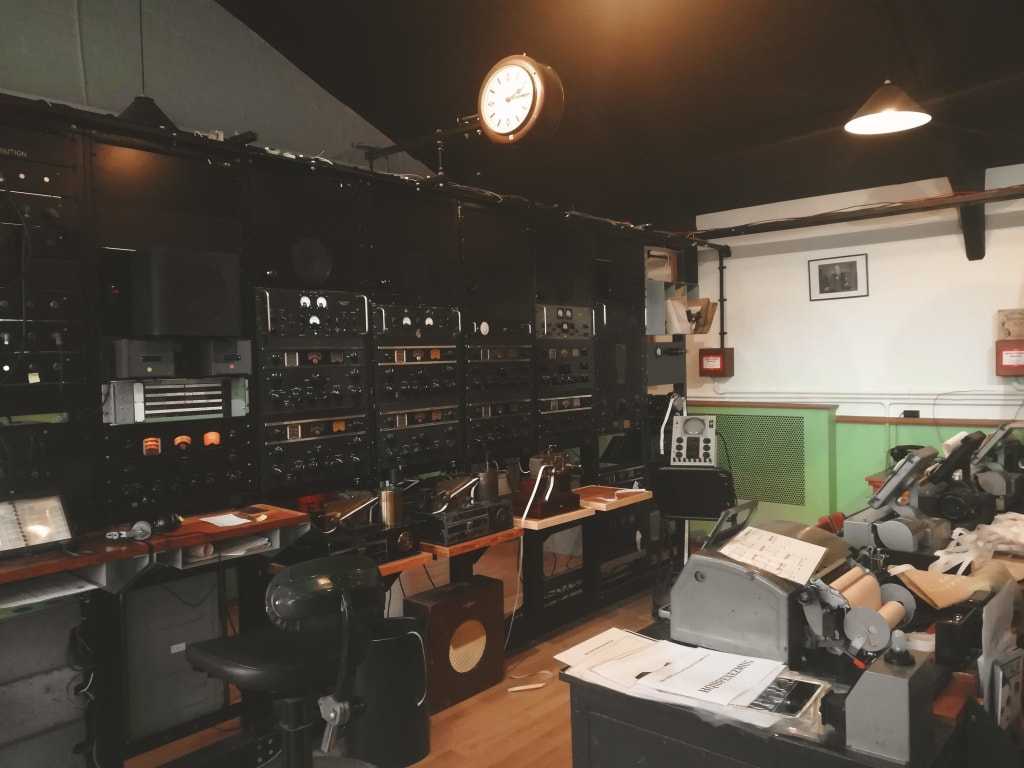
During World War II, the British government used a machine called the Colossus to decrypt German messages. The Colossus was the first electronic computer, and it used vacuum tubes to perform calculations. In the United States, a team led by John Mauchly and J. Presper Eckert developed the ENIAC (Electronic Numerical Integrator And Computer) in 1945. The ENIAC was the first general-purpose electronic computer, and it used vacuum tubes to perform calculations.
The Rise of the Personal Computer
In the 1960s, the first minicomputers were developed. These computers were smaller than the mainframe computers of the time and were less expensive. In 1964, IBM introduced the System/360 mainframe computer, which was the first computer to use interchangeable software and hardware components. The System/360 was a significant achievement and laid the foundation for modern-day computers.
In the 1970s, the first personal computers were developed. These computers were small enough to fit on a desk and were designed for use by individuals rather than organizations. In 1976, Apple Computer introduced the Apple I, the first personal computer. The Apple I was a basic computer, but it was affordable and easy to use. In 1981, IBM introduced the IBM PC, which became the standard for personal computers.
The Modern-Day Computer
The modern-day computer has evolved significantly since the first mechanical calculators. Today, computers are faster, more powerful, and more portable than ever before. The rise of the internet has also had a significant impact on the evolution of computers. The internet has made it possible for computers to communicate with each other, share data, and access information from around the world.
In recent years, there has been a shift towards mobile computing. Smartphones and tablets have become increasingly popular, and they are now capable of performing many of the same tasks as traditional computers. The rise of cloud computing has also had a significant impact on the evolution of computers. Cloud computing allows users to access software and data over the internet, making it possible to work from anywhere in the world.
About the Creator
Keep reading
More stories from Hüseyin Kahveci and writers in 01 and other communities.
Artificial Intelligence
A Brief History of Artificial Intelligence Artificial Intelligence (AI) is a rapidly evolving field of computer science that aims to create machines that can perform tasks that typically require human intelligence. This includes tasks such as understanding natural language, recognizing objects, and making decisions based on incomplete or ambiguous information. In this article, we will take a brief look at the history of AI and its development over the past few decades.
By Hüseyin Kahveci3 years ago in 01
Jeff Bezos' head-turning then-and-now photos from high schooler to Amazon billionaire
The businessman and entrepreneur has undergone a huge transformation over the years Looking at Jeff Bezos today, with his $252 billion fortune and life of luxury, it's difficult to imagine him as a regular child, let alone as a short-order cook at McDonald's.
By Dena Falken Esq4 days ago in 01
Ford F-150 Tonneau Cover Install in Under 10 Minutes
Installing a tonneau cover on a Ford F-150 doesn’t have to be complicated or time-consuming. Many modern tonneau covers are designed so that truck owners can install them quickly without special tools or professional help.
By Bison Tonneau Covers7 days ago in 01


Comments
There are no comments for this story
Be the first to respond and start the conversation.