
Health Effects of Smog Exposure
Health Effects of Smog
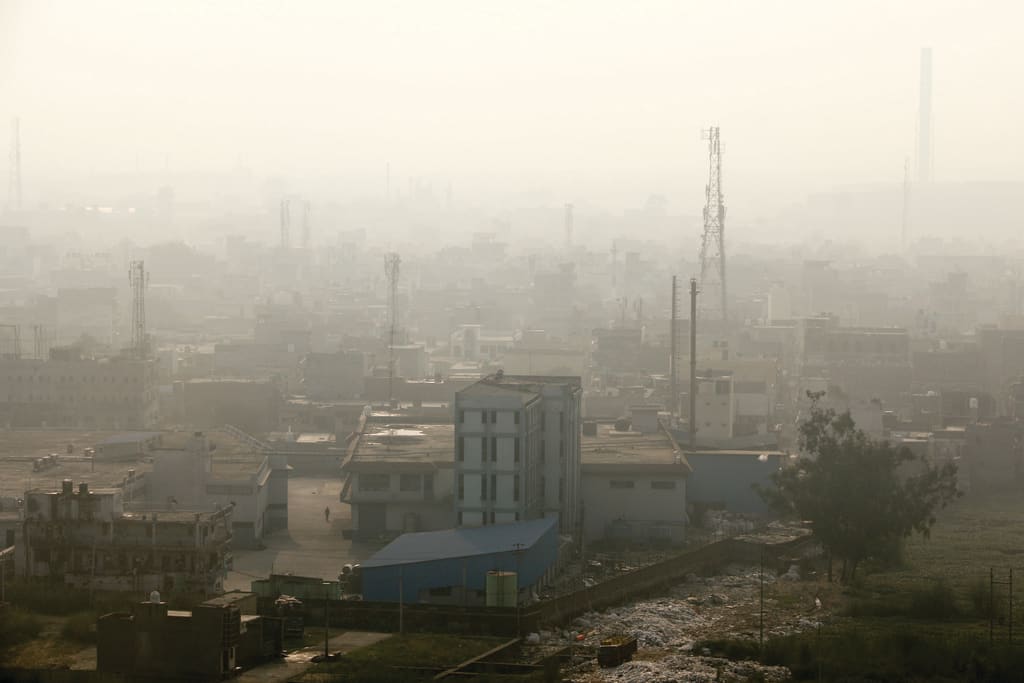
Smog has become a growing concern in cities around the world, affecting millions of people every day. Its hazy appearance might seem like just an aesthetic issue, but smog is much more harmful than it looks. It can cause a range of health problems, especially for those who are more vulnerable, such as children, the elderly, and individuals with pre-existing health conditions. In this article, we’ll dive deep into the health effects of smog exposure and what steps you can take to protect yourself.
What is Smog?
Smog is a type of air pollution made up of a mixture of smoke, fog, and various pollutants. It's most often associated with large urban areas that have high levels of traffic and industrial activity. Smog is created when sunlight interacts with nitrogen oxides (NOx) and volatile organic compounds (VOCs) emitted by cars, factories, and other sources. This chemical reaction forms ozone at ground level, which is a key component of smog.
Types of Smog
There are two main types of smog:
• Photochemical smog – This type is more common in modern cities and is driven by the chemical reactions mentioned earlier. It’s often referred to as “summer smog” because it tends to form during warmer months when sunlight is more intense.
• Sulfurous smog – Also known as “London smog,” this type is caused by burning coal and is rich in sulfur dioxide. While less common today, sulfurous smog was a serious problem in the past, particularly in industrial cities.
Why is Smog Dangerous?
Smog is dangerous because it contains harmful pollutants like ground-level ozone, carbon monoxide, sulfur dioxide, nitrogen dioxide, and particulate matter (PM). According to the best pulmonologists, these pollutants can penetrate deep into the lungs and even enter the bloodstream, leading to a wide range of serious health issues.
Key Pollutants in Smog
• Ground-level Ozone: While ozone high in the atmosphere protects us from UV radiation, ground-level ozone is harmful to breathe. It can inflame the lungs and exacerbate respiratory issues.
• Particulate Matter (PM): These are tiny particles suspended in the air, and when inhaled, they can cause serious health problems. PM is particularly dangerous because the smallest particles can travel deep into the respiratory system.
• Nitrogen Dioxide (NO2): NO2 is a respiratory irritant that can exacerbate asthma and decrease lung function. Long-term exposure is linked to respiratory infections and chronic lung diseases.
Immediate Health Effects of Smog Exposure
Smog doesn’t just affect people with pre-existing conditions—it can have immediate effects on healthy individuals as well. Some of the short-term health effects of smog exposure include:
1. Respiratory Irritation
Breathing in smog can irritate your airways, causing symptoms like coughing, throat irritation, and difficulty breathing. Even healthy people may experience these symptoms, especially after exercising or spending time outdoors when smog levels are high.
2. Worsening of Asthma Symptoms
People with asthma are especially sensitive to smog exposure. Ozone and particulate matter can trigger asthma attacks or make symptoms worse, leading to an increased need for medication or emergency care.
3. Eye and Throat Irritation
The tiny particles in smog can also irritate your eyes and throat, causing discomfort and making it harder to focus. Some people may even experience allergic reactions.
Long-term Health Effects of Smog Exposure
While the immediate effects of smog can be alarming, the long-term consequences are even more concerning. Prolonged exposure to smog over months or years can lead to chronic health problems that significantly impact quality of life.
1. Chronic Respiratory Diseases
Long-term exposure to smog increases the risk of developing chronic respiratory conditions such as chronic bronchitis and emphysema. This is particularly true for people living in heavily polluted areas who are regularly exposed to high levels of particulate matter and ozone.
2. Decreased Lung Function
Children, whose lungs are still developing, are particularly vulnerable to the effects of smog. Studies have shown that long-term exposure to smog can stunt lung growth in children, leading to decreased lung function later in life. Even in adults, long-term exposure can cause a gradual decline in lung function.
3. Increased Risk of Cardiovascular Diseases
It’s not just the lungs that are affected by smog—there’s also a growing body of evidence linking smog exposure to heart disease. Particulate matter can enter the bloodstream and cause inflammation in blood vessels, leading to conditions like hypertension, heart attacks, and strokes.
4. Increased Risk of Cancer
Some components of smog, such as benzene and formaldehyde, are known carcinogens. Prolonged exposure to high levels of these chemicals has been linked to an increased risk of cancer, particularly lung cancer.
Who is Most at Risk?
While smog affects everyone, certain groups are more vulnerable to its health effects:
1. Children
Children are more vulnerable to the effects of smog because their lungs are still developing, and they tend to be more active outdoors. This makes them more likely to inhale large amounts of pollutants, increasing their risk of long-term health problems.
2. Elderly People
The elderly are also at greater risk of smog-related health issues because they are more likely to have pre-existing health conditions like heart disease or respiratory illnesses, which can be worsened by exposure to pollutants.
3. People with Pre-existing Health Conditions
People with conditions such as asthma, chronic bronchitis, or heart disease are particularly susceptible to the harmful effects of smog. Specialists at Faisal Hospital emphasize that even short-term exposure can cause severe health issues or exacerbate these existing conditions.
4. Outdoor Workers
Those who work outdoors, such as construction workers, street vendors, and athletes, are at a higher risk of smog exposure simply due to the amount of time they spend outside in polluted environments.
How to Protect Yourself from Smog Exposure
Smog may seem unavoidable, especially in urban areas, but there are several steps you can take to protect yourself:
1. Stay Indoors During Peak Smog Hours
Smog levels tend to be highest during the late morning and early afternoon, especially on hot days. If possible, avoid going outside during these peak hours to reduce your exposure to harmful pollutants.
2. Use Air Purifiers
Indoor air quality can also be affected by outdoor pollution. Using an air purifier with a HEPA filter can help reduce the amount of particulate matter in your home, making the air safer to breathe.
3. Wear Masks When Necessary
On days when smog levels are particularly high, wearing a mask designed to filter out particulate matter, such as an N95 mask, can help protect your lungs from harmful pollutants.
4. Monitor Air Quality
Most cities have air quality monitoring systems that provide real-time updates on pollution levels. Check the air quality index (AQI) before going outside and plan your activities accordingly.
Conclusion
Smog is more than just an unsightly haze in the sky—it’s a serious public health concern that affects millions of people worldwide. From immediate respiratory irritation to long-term risks like heart disease and cancer, the health effects of smog exposure are vast and far-reaching. By understanding the dangers of smog and taking steps to protect yourself, you can reduce your risk and safeguard your health.
FAQs
1. How can I reduce my exposure to smog?
You can reduce your exposure by staying indoors during peak pollution hours, using air purifiers, and wearing protective masks when necessary.
2. Is smog worse in the summer?
Yes, smog is typically worse during the summer months due to increased sunlight, which fuels the chemical reactions that create smog.
3. Can smog affect my mental health?
While smog primarily affects physical health, studies suggest that long-term exposure to pollution may also increase the risk of mental health conditions such as anxiety and depression.
4. Are air purifiers effective against smog?
Yes, air purifiers with HEPA filters can effectively reduce the amount of particulate matter in indoor air, helping you breathe easier.
5. Can smog exposure lead to permanent lung damage?
Prolonged exposure to high levels of smog can cause permanent damage to the lungs, particularly in children, the elderly, and those with pre-existing health conditions.
About the Creator
Keep reading
More stories from writers in 01 and other communities.
How Missing API Visibility Creates Security Gaps in FinTech
Introduction In the fast-paced world of financial technology, APIs power almost every transaction, integration, and customer interaction. They connect internal services, third-party partners, and external platforms to deliver seamless experiences. However, with this complexity comes a critical risk: missing API visibility. When organizations cannot see or fully understand all their API endpoints, undocumented APIs, or dynamic connections, hidden security gaps emerge that can be exploited by attackers.
By Sam Bishop6 days ago in 01
Seattle Nightlife Report: Pony
Mid-winter Friday night. Early but already so dark. The days are getting longer but 6 PM is still pitch black. “Firepit!” You declare things after just a few seconds of solemn thought – not a request or suggestion, not a demand. Last week you walked around saying, “Hot tub?” to anyone who would listen. Or one afternoon you pointed at two men holding hands as they crossed 12th Avenue, looked me in the eyes and said, “Boyfriends.”
By Joe Nasta | Seattle foodie poet7 days ago in Wander




Comments
There are no comments for this story
Be the first to respond and start the conversation.