
Gulf of America now appears on Google maps for U.S users
Gulf Of America

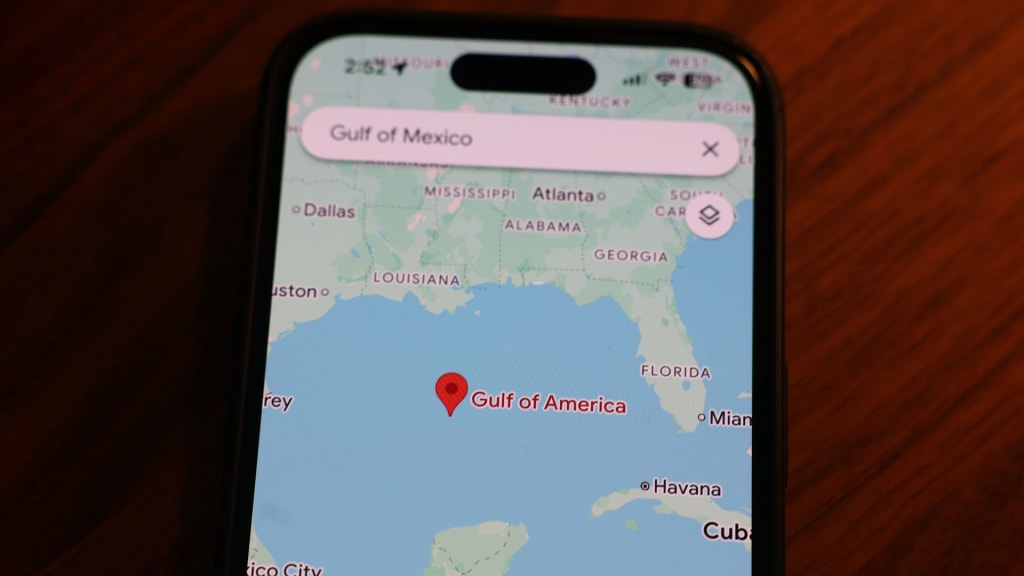
Gulf of America now appears on Google maps for U.S users.
In a surprising update that has sparked widespread discussion and curiosity Google Maps has recently introduced the term Gulf of America for U.S. users. This change which appears to have been implemented quietly has raised questions about its origins implications and the potential reasons behind it. The term Gulf of America seems to refer to the body of water traditionally known as the Gulf of Mexico a large ocean basin surrounded by the United States Mexico and Cuba. The sudden appearance of this new label has left many users puzzled prompting debates about geography politics and the role of technology in shaping our understanding of the world.
The Gulf of Mexico has long been a significant geographical feature playing a crucial role in the economies, ecosystems and cultures of the surrounding regions. It is a vital hub for oil and gas production commercial fishing and tourism particularly for states like Florida Texas and Louisiana. The Gulf also serves as a critical pathway for international shipping connecting the Americas to global markets. Given its importance, any change in its nomenclature is bound to attract attention. The introduction of Gulf of America on Google Maps has led to speculation about whether this is a technical glitch a deliberate rebranding or an attempt to reflect a new geopolitical perspective.
One possible explanation for the change is that it could be part of a broader effort to emphasize the Gulf's significance to the United States. Historically the Gulf of Mexico has been shared by multiple nations with the U.S Mexico and Cuba all having vested interests in its resources and strategic location. By labeling it the Gulf of America some analysts suggest that Google might be aligning with a narrative that underscores U.S influence over the region. This could be seen as a reflection of broader geopolitical trends where nations increasingly assert their dominance over shared spaces whether through territorial claims economic policies or cultural narratives. However the change has not been without controversy. Critics argue that renaming the Gulf of Mexico as the Gulf of America could be perceived as an attempt to diminish the historical and cultural ties that Mexico and other nations have to the region. The Gulf of Mexico has been a shared space for centuries and its name reflects its geographical and historical context. Altering this could be seen as an erasure of Mexico's connection to the Gulf potentially straining diplomatic relations or fueling nationalist sentiments. Social media platforms have already seen a surge in discussions with some users expressing concern over the implications of such a change.
Another angle to consider is the role of technology in shaping public perception. Google Maps as one of the most widely used mapping services in the world has a significant influence on how people understand and interact with geography. By introducing the term Gulf of America Google is effectively altering the way millions of users perceive this body of water. This raises important questions about the responsibility of tech companies in accurately representing geographical features and the potential consequences of such changes. Should Google have consulted with experts or stakeholders before making this update? And what does this mean for the future of digital cartography where names and boundaries can be changed with the click of a button.
It is also worth noting that Google has not issued an official statement explaining the change leaving room for speculation. Some users have suggested that the update could be a result of algorithmic changes or a localized glitch affecting only U.S. users. Google Maps frequently updates its data and algorithms to improve accuracy and user experience but these updates can sometimes lead to unintended consequences. If the change is indeed a glitch it highlights the challenges of maintaining a global mapping service that caters to diverse audiences with varying perspectives and priorities.
The timing of this update is also intriguing. It comes at a time when discussions about national identity sovereignty and the role of technology in society are more prominent than ever. In the U.S debates about borders immigration and national pride have been central to political discourse in recent years. The introduction of Gulf of America could be interpreted as a subtle nod to these themes reinforcing the idea of American dominance in the region. Alternatively it could simply be a reflection of the evolving nature of language and how geographical names adapt over time.
As the debate continues it is clear that this update has touched on broader issues that extend far beyond the realm of digital mapping. It raises questions about the power of technology to shape our understanding of the world the importance of preserving historical and cultural context and the delicate balance between national pride and international cooperation. Whether the term Gulf of America will become widely accepted or remain a point of contention remains to be seen. For now it serves as a reminder of the complex interplay between geography politics and technology in our increasingly interconnected world.
In the meantime users of Google Maps are left to navigate this new development, both literally and figuratively. As the story unfolds it will be interesting to see how Google responds to the feedback and whether the term Gulf of America will stand the test of time or fade into obscurity as quickly as it appeared. One thing is certain this update has sparked a conversation that goes far beyond the boundaries of a digital map highlighting the profound impact that technology can have on our perception of the world around us.
About the Creator
Adnan Rasheed
Author & Creator | Writing News , Science Fiction, and Worldwide Update| Digital Product Designer | Sharing life-changing strategies for success.
Keep reading
More stories from Adnan Rasheed and writers in 01 and other communities.
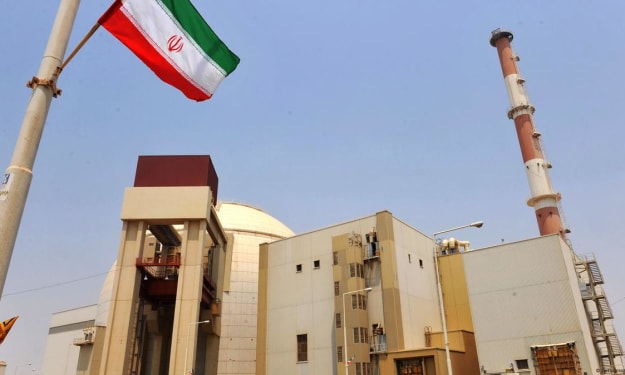
Trump's Iran Nuclear Diplomacy Needs Major Concessions to Go Beyond Previous Pact
Trump's Iran Nuclear Diplomacy Needs Major Concessions to Go Beyond Previous Pact As former President Donald Trump re-enters the global political spotlight and signals a possible return to nuclear diplomacy with Iran many analysts and foreign policy experts agree: any new deal must demand major concessions from Tehran if it is to surpass the shortcomings of the 2015 Joint Comprehensive Plan of Action. The JCPOA signed during the Obama administration and later abandoned by Trump in 2018 was a significant diplomatic breakthrough aimed at limiting Iran’s nuclear capabilities in exchange for sanctions relief. However critics including Trump himself argued that the agreement was too narrow in scope, failed to prevent Iran’s long term nuclear ambitions and ignored Tehran’s ballistic missile development and regional military interventions. Now with diplomatic efforts reportedly underway again in 2025 the stakes are higher than ever.
By Adnan Rasheed11 months ago in 01
What Labubu Blind Boxes Reveal About Modern Plush Collectibles
In recent years, the toy industry has undergone a noticeable transformation. Toys are no longer viewed solely as objects for children; many now function as collectibles shaped by design trends, cultural storytelling, and adult participation. Within this changing landscape, Labubu has emerged as a recognizable figure, illustrating how modern collectibles draw from traditional plush toy roots while adapting to contemporary consumer behavior, including themed releases such as the Labubu The Monsters Pin for Love Blind Box.
By charliesamuel2 days ago in 01


Comments
There are no comments for this story
Be the first to respond and start the conversation.