
Great UI/UX Makes All the Difference
Case Studies and Lessons Learned

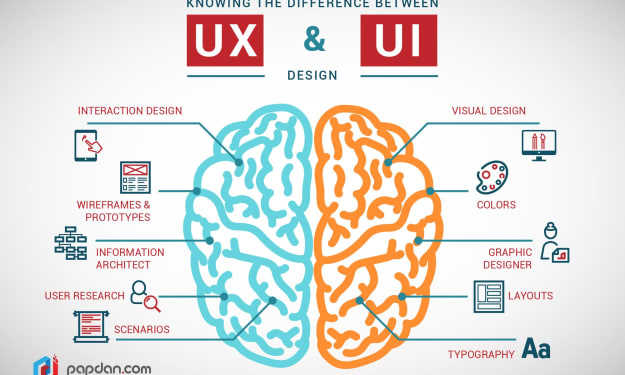
User interface (UI) design and user experience (UX) design are integral parts of the product development process. UI design refers to the look and feel of a product's user interface, including the layout, visual design, and interactivity. UX design, on the other hand, focuses on the overall experience of the user as they interact with the product, including the usability, accessibility, and pleasure provided by the product.
Both UI and UX design are important because they can have a significant impact on the success of a product. A well-designed user interface can make a product more intuitive and easy to use, leading to increased adoption and satisfaction. Similarly, a positive user experience can lead to increased loyalty and advocacy for the product.
In today's competitive market, it is more important than ever to focus on UI/UX design in order to create products that are not only functional, but also enjoyable and memorable for users. Investing in good UI/UX design can lead to increased market share, customer satisfaction, and brand loyalty.
Defining UI and UX
User interface (UI) design is the process of creating the look and feel of a product's user interface, including the layout, visual design, and interactivity. The goal of UI design is to create an interface that is easy to use, aesthetically pleasing, and consistent with the brand of the product. Some specific aspects of UI design include:
- Layout: The arrangement of elements on the screen, including the placement of buttons, menus, and other controls
- Visual design: The appearance of the interface, including the use of color, typography, and imagery
- Interactivity: The way in which the user interacts with the interface, including the use of gestures, clicks, and other actions
User experience (UX) design is the process of creating a positive experience for the user as they interact with a product. The goal of UX design is to create a product that is easy to use, efficient, and satisfying for the user. Some specific aspects of UX design include:
- Usability: The ease with which a user can accomplish their goals using the product
- Accessibility: The ability of the product to be used by people with disabilities
- Pleasure: The emotional response of the user to the product, including feelings of joy, satisfaction, and delight
Both UI and UX design are important for creating a successful product, and they often overlap and influence each other. A good UI can contribute to a positive UX, and a positive UX can lead to a more successful product overall.
The design process
The UI/UX design process typically involves several steps, including research, prototyping, testing, and iteration.
- Research: This involves gathering data about the target users and their needs, as well as the competitive landscape and the goals of the product. This can include user interviews, surveys, and focus groups.
- Prototyping: Based on the research, the designer creates a prototype of the product's interface and user flow. This can be a low-fidelity wireframe or a high-fidelity mockup, depending on the stage of the project.
- Testing: The prototype is tested with users to gather feedback and identify any issues or improvements. This can be done through usability testing, A/B testing, or other methods.
- Iteration: Based on the feedback from testing, the design is refined and improved. The process may involve multiple rounds of prototyping and testing until the final design is satisfactory.
Overall, the UI/UX design process is an iterative one, with designers constantly gathering data, testing, and refining their designs in order to create the best possible product.
Case studies
Case studies can provide valuable insights into the impact of good UI/UX design on the user experience. Here are a few examples of successful UI/UX design in action:
- Airbnb: The Airbnb website and app have an intuitive and visually appealing interface, which makes it easy for users to find and book accommodation. As a result, Airbnb has become one of the most popular vacation rental platforms in the world.
- Duolingo: The Duolingo language learning app has a simple and fun interface, which encourages users to keep coming back and make progress. As a result, Duolingo has millions of active users and has received numerous awards for its design.
- Nest: The Nest smart thermostat has a sleek and intuitive interface, which makes it easy for users to control their home temperature and energy usage. As a result, Nest has become a leading provider of smart home products.
These examples demonstrate the power of good UI/UX design to create a positive and enjoyable user experience, which can lead to increased adoption and satisfaction with the product.
Conclusion
UI/UX design is an integral part of the product development process, with the goal of creating an intuitive and enjoyable experience for the user. Good UI/UX design can lead to increased adoption, customer satisfaction, and brand loyalty. The design process typically involves research, prototyping, testing, and iteration, with designers constantly gathering data and refining their designs in order to create the best possible product.
About the Creator
Keep reading
More stories from Mohamed Anas and writers in 01 and other communities.
Design Like a Pro
User interface (UI) design and user experience (UX) design are integral parts of the product development process, with the goal of creating an intuitive and enjoyable experience for the user. Good UI/UX design can lead to increased adoption, customer satisfaction, and brand loyalty.
By Mohamed Anas3 years ago in 01
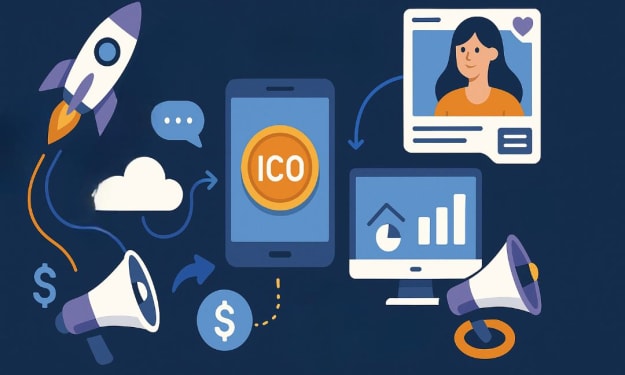
How Should You Plan an ICO Token Sale Marketing Campaign in 2026?
Initial Coin Offerings (ICOs) have evolved significantly since their inception. By 2026, the market demands far more than speculative hype and superficial awareness. Investors are highly discerning, regulatory scrutiny has increased, and projects must demonstrate real utility, transparency, and sustainability. A token sale marketing campaign, therefore, must be meticulously planned to achieve long-term growth and trust in the ecosystem.
By Jack santoa day ago in 01


Comments
There are no comments for this story
Be the first to respond and start the conversation.