
Design Like a Pro
Best Practices, Tools, and Resources for Creating Great User Experiences
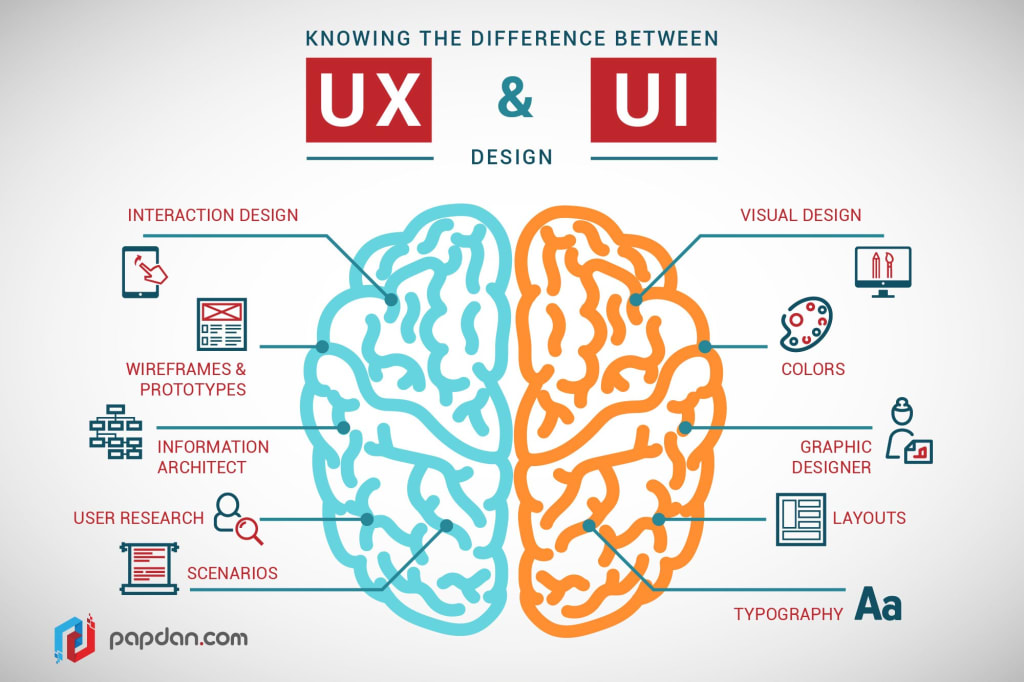
User interface (UI) design and user experience (UX) design are integral parts of the product development process, with the goal of creating an intuitive and enjoyable experience for the user. Good UI/UX design can lead to increased adoption, customer satisfaction, and brand loyalty.
To create effective UI/UX designs, it is important to follow best practices and utilize the right tools and resources. Best practices are guidelines and recommendations for designing user interfaces that are easy to use, aesthetically pleasing, and consistent with the brand of the product. Tools are software and platforms that can assist with tasks such as prototyping, design, and user testing. Resources are materials such as tutorials, blogs, and conferences that can provide inspiration and education for designers.
In this blog, we will explore the role of best practices, tools, and resources in the UI/UX design process, and provide examples of how they can be effectively used to create great user experiences.
Best practices
There are several key considerations and best practices that can help designers create effective UI and UX designs. Some of the most important ones include:
- Usability: The usability of a product refers to the ease with which users can accomplish their goals using the product. To create a usable product, designers should ensure that the interface is intuitive, the navigation is clear, and the controls are easy to use.
- Accessibility: Accessibility refers to the ability of the product to be used by people with disabilities. Designers should consider the needs of users with different abilities and design the product in a way that is inclusive and accessible to all.
- Aesthetics: The aesthetics of a product refer to its visual appeal and overall appearance. A visually appealing product can be more enjoyable to use and can help to build the brand image.
- Consistency: Consistency in the interface can help to reduce confusion and make the product easier to use. Designers should ensure that the layout, visual design, and interactions are consistent across different screens and contexts.
- Simplicity: A simple and uncluttered interface can make the product easier to use and can reduce cognitive load on the user. Designers should strive to eliminate unnecessary elements and focus on the most essential features.
By following these best practices, designers can create user interfaces and user experiences that are intuitive, enjoyable, and effective.
Tools
There are many different tools that can be used in the UI/UX design process, including:
- Design software: Design software such as Adobe Creative Suite, Sketch, and Figma can be used to create high-fidelity mockups and graphics for the user interface. These tools often include features such as vector graphics, typography, and color adjustment.
- Prototyping tools: Prototyping tools such as InVision, Marvel, and Figma can be used to create interactive prototypes of the user interface. These prototypes can be used to test the user flow and gather feedback from users.
- User testing platforms: User testing platforms such as UserTesting, Optimal Workshop, and Lookback can be used to conduct usability testing and gather feedback from real users. These platforms often include features such as screen recording, task analysis, and user demographics.
- Project management tools: Project management tools such as Asana, Trello, and JIRA can be used to organize and track the progress of the design project. These tools can help designers to stay on schedule and collaborate with team members.
By using a combination of these tools, designers can streamline the design process and create high-quality user interfaces and user experiences.
Resources
There are many useful resources available for designers interested in learning more about UI/UX design. Some examples include:
- Design inspiration sites: Sites such as Dribbble, Behance, and Awwwards showcase the work of top designers and can provide inspiration for new projects.
- Blogs: Blogs such as UX Planet, Designmodo, and Smashing Magazine offer articles, tutorials, and case studies on a wide range of design topics.
- Conferences: Conferences such as UXPA, CHI, and UX London provide opportunities to learn from experts, network with other designers, and stay up-to-date on the latest trends in UI/UX design.
- Online courses: Online courses such as those offered by Udemy, Coursera, and LinkedIn Learning can provide in-depth education on UI/UX design principles and techniques.
By regularly seeking out and utilizing these resources, designers can stay current on best practices and trends, learn new skills, and find inspiration for their work.
Conclusion
To create the best possible user interfaces and user experiences, it is important for designers to regularly seek out and incorporate best practices, tools, and resources into their work. By doing so, designers can create products that are not only functional, but also enjoyable and memorable for their users.
About the Creator
Keep reading
More stories from Mohamed Anas and writers in 01 and other communities.
Great UI/UX Makes All the Difference
User interface (UI) design and user experience (UX) design are integral parts of the product development process. UI design refers to the look and feel of a product's user interface, including the layout, visual design, and interactivity. UX design, on the other hand, focuses on the overall experience of the user as they interact with the product, including the usability, accessibility, and pleasure provided by the product.
By Mohamed Anas3 years ago in 01
BIM Uncovered: The Reality Behind the Common Misconceptions
If you asked a room full of AEC professionals this question a decade ago, the answers would have been mixed. Today, however, the data is irrefutable: 66-87% of BIM users report a positive Return on Investment (ROI), yet a significant portion of the industry remains hesitant, paralyzed by outdated myths. In an era where digital transformation is no longer optional but a survival mechanism, clinging to common myths about BIM that need to be debunked isn't just a difference of opinion—it’s a business risk.
By Tesla CAD Solutions2 days ago in 01
Top 20 OnlyFans Ideas for Content, Niche, Username, and Bio
Are you looking for the best ideas for creating engaging OnlyFans content, or do you want to know the platform's top content categories? Maybe you are struggling with your OnlyFans bio and username and need some tips? No matter what the case, we are here to rescue you.
By Intelligent Creatora day ago in 01



Comments
There are no comments for this story
Be the first to respond and start the conversation.