
Graphic Design Basics: Definition, Types, and Importance
Graphic Design

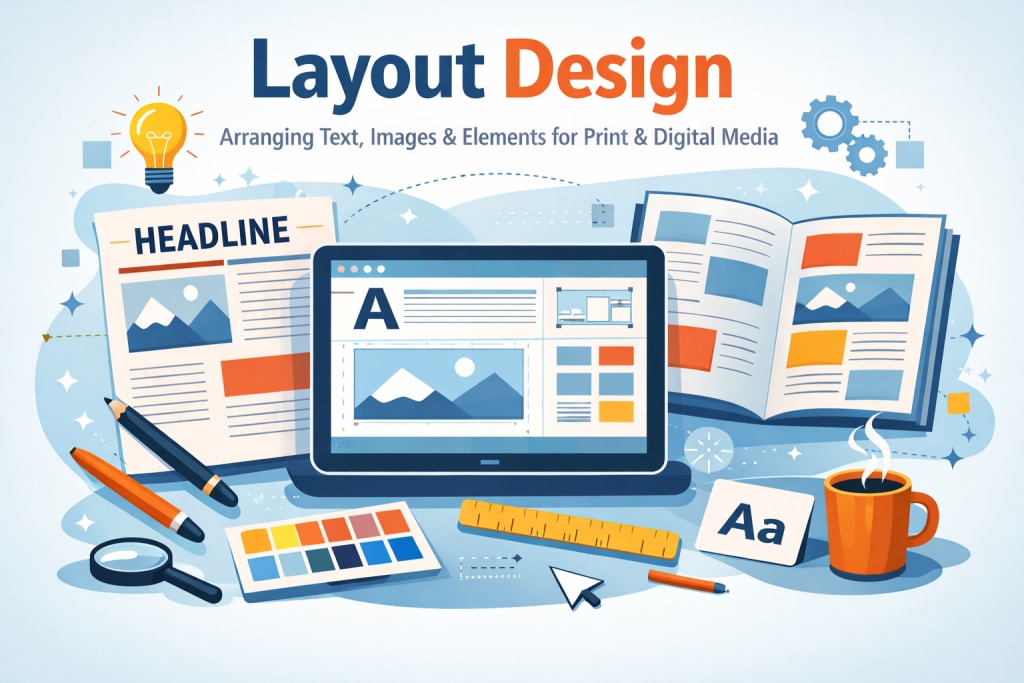
Graphic design is one of the most influential creative disciplines in today’s digital-first world. From the logos we instantly recognize to the websites we navigate daily, graphic design shapes how information is presented, perceived, and remembered. It blends creativity, strategy, psychology, and technology to communicate ideas visually and effectively. In an era where attention spans are short and competition is high, strong graphic design is no longer optional—it is essential for brands, businesses, and individuals alike.
What Is Graphic Design?
Graphic design is the art and practice of creating visual content to communicate messages. Designers use typography, imagery, color, layout, and visual hierarchy to convey information in a way that is both aesthetically pleasing and functionally effective. Unlike fine art, which may exist purely for expression, graphic design is purpose-driven. Every design decision serves a goal, whether it is to inform, persuade, educate, or inspire an audience.
At its core, graphic design solves problems through visual communication. A well-designed poster guides the viewer’s eye, a logo builds brand recognition, and a website layout improves usability. Graphic designers must balance creativity with clarity, ensuring that designs not only look good but also communicate the intended message clearly and efficiently across different platforms and devices.
Layout design is the process of organizing content, images, and typography in a structured and visually appealing way. It ensures readability, visual balance, and smooth user experience across print and digital platforms such as websites, magazines, and marketing materials.
The History and Evolution of Graphic Design
Graphic design has a long and fascinating history that dates back to ancient civilizations. Early examples include cave paintings, Egyptian hieroglyphics, and medieval manuscripts, all of which used visual elements to tell stories and record information. The invention of the printing press in the 15th century marked a turning point, making mass communication possible and laying the foundation for modern graphic design.
In the 20th century, movements such as Bauhaus, Art Deco, and Swiss Design transformed graphic design into a formal discipline. Designers began focusing on grid systems, typography, and functional simplicity. With the rise of computers in the late 20th century, graphic design entered the digital era. Software like Adobe Photoshop, Illustrator, and InDesign revolutionized how designers work, enabling faster production, experimentation, and global collaboration. Today, graphic design continues to evolve with trends like minimalism, motion graphics, and AI-assisted design tools.
The Importance of Graphic Design in Modern Business
Graphic design plays a critical role in shaping brand identity and influencing consumer behavior. First impressions matter, and visual design is often the first interaction a customer has with a brand. A professional, consistent design builds trust, while poor design can quickly turn potential customers away. From logos and packaging to websites and social media graphics, graphic design ensures visual consistency across all brand touchpoints.
In marketing and advertising, graphic design enhances storytelling and increases engagement. Eye-catching visuals can convey complex ideas quickly and emotionally, making campaigns more memorable. In the digital space, good design also improves user experience (UX), guiding users smoothly through websites and apps. Businesses that invest in strong graphic design often gain a competitive advantage by standing out in crowded markets and communicating their value more effectively.
Core Elements of Graphic Design
Graphic design is built on several fundamental elements that work together to create effective visuals. Typography is one of the most important elements, as the choice of font affects readability, tone, and brand personality. Color is another powerful tool, influencing emotions and perceptions. Designers use color theory to create harmony, contrast, and emphasis within a composition.
Other key elements include imagery, shapes, lines, and space. Images and illustrations add visual interest and context, while shapes and lines help organize content and guide the viewer’s eye. White space, or negative space, is equally important, as it prevents designs from feeling cluttered and improves overall clarity. Mastering these elements allows designers to create balanced, visually appealing compositions that communicate clearly.
Principles of Graphic Design
In addition to elements, graphic design relies on core principles that guide how those elements are arranged. Balance ensures visual stability, whether symmetrical or asymmetrical. Contrast highlights important information by differentiating elements through color, size, or shape. Alignment creates order and cohesion, making designs feel structured and professional.
Repetition reinforces consistency and strengthens brand identity, while hierarchy directs the viewer’s attention to the most important information first. Proximity groups related elements together, improving readability and comprehension. These principles help designers create layouts that are not only attractive but also intuitive and easy to understand, ensuring effective communication.
Types of Graphic Design
Graphic design is a broad field with many specialized areas. Brand and identity design focuses on creating logos, color palettes, and visual systems that represent a brand’s personality and values. Marketing and advertising design includes posters, banners, brochures, and social media graphics used to promote products and services.
UI and UX design concentrate on digital interfaces, ensuring websites and apps are visually appealing and user-friendly. Publication design covers books, magazines, and reports, emphasizing layout and typography. Motion graphics combine design with animation to create engaging video content, while environmental design includes signage and exhibition graphics. Each type requires specific skills but shares the same foundation of visual communication.
Graphic Design Tools and Software
Modern graphic designers rely on a variety of tools and software to bring their ideas to life. Adobe Creative Cloud remains the industry standard, with Photoshop for image editing, Illustrator for vector graphics, and InDesign for layout design. These tools offer powerful features that support professional-quality work across print and digital media.
In recent years, alternative tools like Figma, Canva, and Affinity Designer have gained popularity. Figma is especially valued for collaborative UI and UX design, while Canva offers user-friendly templates for quick designs. The choice of tools often depends on the project requirements, workflow, and level of expertise, but strong design fundamentals remain more important than any specific software.
The Role of Graphic Designers
Graphic designers are visual problem-solvers who translate ideas into compelling visuals. Their role involves understanding client needs, researching target audiences, brainstorming concepts, and executing designs that align with strategic goals. Designers must communicate effectively with clients, marketers, developers, and other stakeholders throughout the design process.
Beyond creativity, graphic designers need technical skills, attention to detail, and time management abilities. They must adapt to feedback, meet deadlines, and stay updated with design trends and technologies. Successful designers balance artistic expression with practical constraints, delivering designs that are both creative and effective.
Graphic Design and Digital Marketing
Graphic design and digital marketing are closely interconnected. Visual content is a key driver of engagement on social media, websites, and email campaigns. Well-designed graphics increase click-through rates, improve brand recall, and support storytelling across digital channels. Infographics, for example, simplify complex data and make it more shareable.
In search engine optimization (SEO), design also plays a role in user experience. Clean layouts, readable typography, and optimized images contribute to better site performance and lower bounce rates. As digital marketing continues to evolve, graphic design remains a critical component of successful online strategies.
Career Opportunities in Graphic Design
Graphic design offers diverse career paths across industries. Designers can work as freelancers, in-house designers, or agency professionals. Common roles include graphic designer, brand designer, UI/UX designer, art director, and creative director. With experience, designers can move into leadership roles or specialize in areas like motion graphics or product design.
The demand for skilled graphic designers continues to grow as businesses prioritize digital presence and branding. While competition exists, designers who build strong portfolios, develop niche skills, and stay current with trends can find rewarding opportunities. Continuous learning and adaptability are key to long-term success in this field.
The Future of Graphic Design
The future of graphic design is shaped by technology, culture, and changing user expectations. Artificial intelligence and automation are transforming workflows, helping designers generate ideas, optimize layouts, and speed up production. However, human creativity, critical thinking, and emotional intelligence remain irreplaceable.
Trends such as immersive design, augmented reality, and interactive experiences are expanding the scope of graphic design. Sustainability and inclusivity are also becoming more important, influencing design choices and brand values. As the world becomes more visually driven, graphic design will continue to play a vital role in how we communicate and connect.
Conclusion: Why Graphic Design Matters
Graphic design is far more than decoration—it is a powerful tool for communication, branding, and problem-solving. It shapes perceptions, influences decisions, and enhances user experiences across every aspect of modern life. From business and marketing to education and entertainment, graphic design bridges the gap between ideas and audiences.
Understanding the principles, elements, and impact of graphic design helps businesses and individuals make better visual decisions. As technology advances and visual communication becomes even more important, graphic design will remain a cornerstone of effective storytelling and meaningful connection in the digital age.
About the Creator
Ravi Vaja
I am Digital Marketing Junkie, I breathe Digital Marketing Innovation, SEO, Social Media Marketing and Build #DigitalMarketing experiences with ❤ for great #brands.
Why Museums Are Turning to Mixed Reality and AI to Engage Gen Z Visitors
Museums face a structural challenge. The demographic profile of their visitors is shifting. Generation Z, people born between 1997 and 2012, requires different methods of engagement than previous generations. This group uses digital interfaces to access information. They do not respond well to static displays. They expect active participation.
By ViitorCloud Technologies4 days ago in 01
Why Platforms Are Becoming Ecosystems Instead of Products?
For much of the early software era, technology products followed a familiar structure. A company built a specific tool, released updates periodically, and competed based on features or performance. Success meant creating a better standalone product.
By Nick William6 days ago in 01


Comments
There are no comments for this story
Be the first to respond and start the conversation.