
Go Green with Compostable Trash Bags: Promoting Sustainable Waste Solutions
What are compostable trash bags?
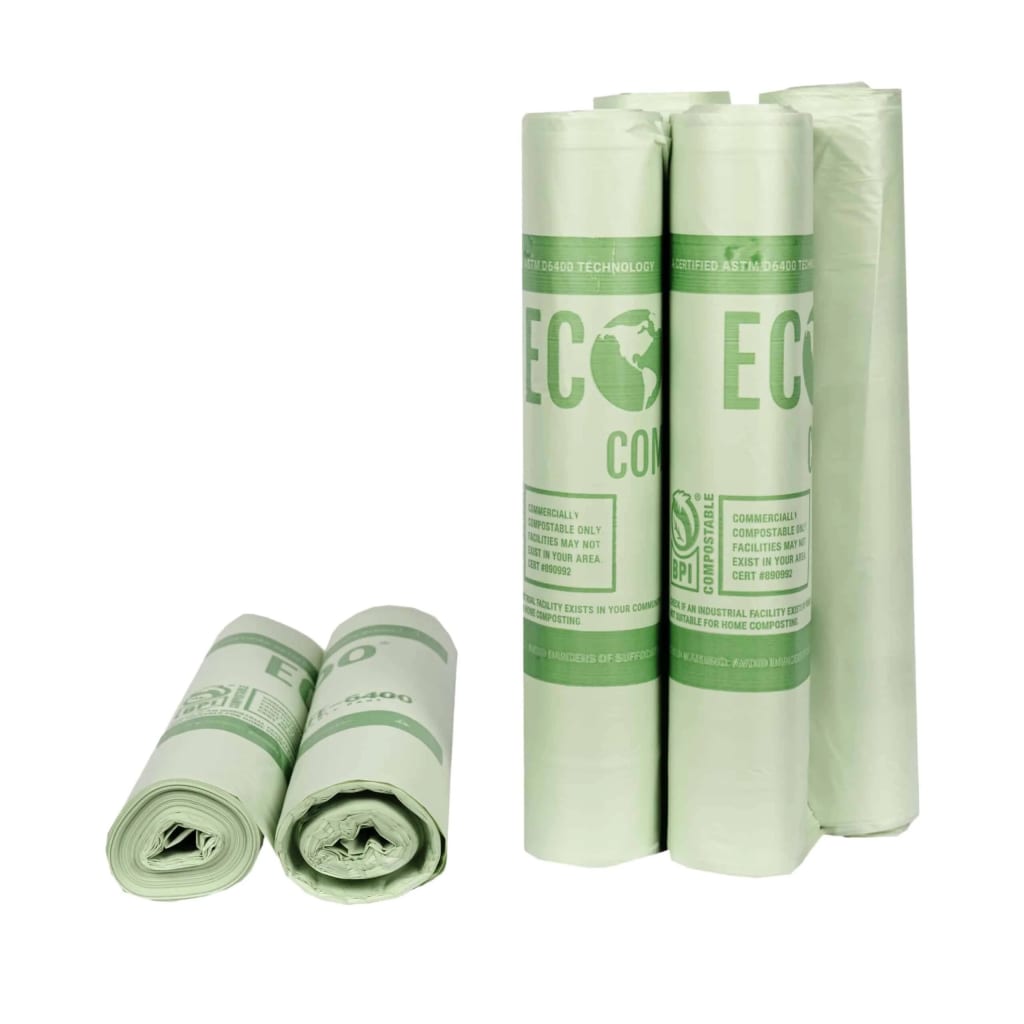
Welcome to a greener way of managing your trash! In our ever-growing quest for sustainability, compostable trash bags have emerged as an innovative solution. These eco-friendly alternatives offer a guilt-free way to dispose of your waste while minimizing harm to the environment. If you're ready to make a positive impact on the planet and reduce your carbon footprint, then join us as we dive into the world of compostable trash bags and how they can revolutionize your waste management routine. Get ready to go green with compostable trash bags and embrace sustainable living like never before!
What are compostable trash bags?
What exactly are compostable trash bags? Unlike traditional plastic bags that take hundreds of years to decompose, compostable trash bags are made from natural materials that break down into organic matter within a relatively short span of time. These innovative bags are typically composed of plant-based materials like cornstarch or vegetable oils, which makes them biodegradable and environmentally friendly.
Compostable trash bags play a crucial role in diverting waste from landfills. When disposed of properly in a composting facility, these bags can undergo the same decomposition process as other organic waste. They break down into nutrient-rich soil, known as compost, which can then be used to nourish plants and gardens.
One key distinction between compostable and biodegradable trash bags is their ability to fully break down without leaving behind harmful microplastics. Compostable bags go beyond just breaking down; they turn into beneficial material for the soil and ecosystem.
Not all compostable trash bags are created equal, however. It's important to look for certifications such as ASTM D6400 or BPI (Biodegradable Products Institute) certification when purchasing these eco-friendly alternatives. These ensure that the bag meets specific industry standards for decomposition under controlled conditions.
By opting for compostable trash bags over traditional plastic ones, you're actively contributing to reducing pollution and landfill waste while promoting sustainable practices. So why not make this simple switch in your daily routine and become part of the solution towards a greener future?
The benefits of using compostable trash bags
The benefits of using compostable trash bags are numerous and far-reaching. First and foremost, these eco-friendly alternatives to traditional plastic bags help reduce our reliance on fossil fuels. Unlike regular plastic bags, which are made from non-renewable resources such as petroleum, compostable trash bags are typically made from plant-based materials like cornstarch or sugarcane.
By choosing compostable options, you can also contribute to reducing the amount of waste that ends up in our landfills. Traditional plastics can take hundreds of years to decompose, while compostable materials break down much faster under proper conditions. This means less waste accumulating in already overburdened landfills and a healthier environment for future generations.
In addition to their environmental benefits, compostable trash bags offer practical advantages as well. They are just as durable and reliable as conventional plastic bags when it comes to containing your household waste. Many brands even have reinforced bottoms or leak-proof designs to ensure no messes or spills during disposal.
Furthermore, opting for compostable trash bags demonstrates a commitment to sustainable living and responsible consumption practices. By making this simple switch in your daily life, you can inspire others around you and be part of the collective effort towards a greener planet.
In conclusion,
the benefits of using compostable trash bags extend beyond personal convenience – they have significant positive impacts on both the environment and society as a whole. So why not make the switch today? Choose compostable trash bags for a more sustainable future!
The best compostable trash bags on the market
When it comes to choosing the best compostable trash bags on the market, there are a few key factors to consider. First and foremost, you'll want to look for bags that are certified compostable by reputable organizations such as the Biodegradable Products Institute (BPI) or the Compost Manufacturing Alliance (CMA). These certifications ensure that the bags meet strict standards for biodegradability and environmental impact.
Next, consider the materials used in making the bags. Look for options made from plant-based materials such as cornstarch or sugarcane, as these are renewable resources that break down easily in composting systems. Avoid bags made from petroleum-based plastics, as they can take hundreds of years to decompose.
Size and durability are also important considerations. Choose a bag size that fits your needs – whether you're using them for kitchen scraps or yard waste – and opt for thicker options if you're concerned about leakage or tearing.
Some top brands to consider include BioBag, EcoSafe Zero Waste Bags, Green Earth Compostable Bags, and UNNI ASTM D6400 Certified Bags. These brands offer a range of sizes and styles to suit different needs.
Finding the best compostable trash bag will depend on your individual preferences and requirements. It's worth trying out a few different options to see which brand works best for you while minimizing your environmental impact!
How to use compostable trash bags
Using compostable trash bags is a simple and effective way to reduce your environmental impact and promote sustainable waste solutions. But how exactly do you use these eco-friendly alternatives? Here are some tips on how to effectively use compostable trash bags:
1. Choose the right size: Just like traditional plastic trash bags, compostable ones come in various sizes. Make sure to choose a bag that fits your garbage can properly.
2. Line your bin: Place the compostable bag inside your garbage can or bin, ensuring it covers the entire interior surface.
3. Dispose of organic waste: Collect all your food scraps, yard trimmings, and other organic waste in the compostable bag instead of throwing them directly into the trash can.
4. Tie securely when full: When your compostable bag is full, tie it securely at the top to prevent any leaks or spills during transportation.
5. Proper disposal: Dispose of the filled compostable bag in an appropriate manner according to local regulations and guidelines for organic waste management.
By following these simple steps, you can make a significant difference in reducing landfill waste while promoting sustainable practices within your own home or workplace. So go ahead and give compostable trash bags a try – Mother Nature will thank you!
Tips for Reducing Your Waste
1. Embrace the 3 R's: Reduce, Reuse, and Recycle
One of the most effective ways to reduce your waste is by following the 3 R's mantra. Start by reducing your consumption of single-use items and opting for reusable alternatives instead. This could include using a refillable water bottle or bringing your own shopping bags. Next, look for opportunities to reuse items before disposing of them. For example, repurpose glass jars as storage containers or donate unwanted clothing to charity. And finally, make sure you're recycling properly by separating recyclable materials from regular trash.
2. Compost Organic Waste
Instead of throwing food scraps and yard trimmings into the garbage bin where they'll end up in a landfill, consider composting them at home or through community programs. By composting organic waste, you not only divert it from landfills but also create nutrient-rich soil that can be used in gardens or landscaping projects.
3. Opt for Digital Solutions
In today's digital age, there are many opportunities to reduce paper waste by embracing digital solutions whenever possible. Switch to online bill payment methods and opt-in for electronic statements instead of physical mailings. Additionally, try using e-tickets for events rather than printing out paper tickets.
4.
Support Sustainable Packaging
When making purchasing decisions, choose products with minimal packaging or those packaged in eco-friendly materials such as biodegradable plastics or recycled cardboard. By supporting companies that prioritize sustainable packaging practices, you contribute to reducing overall waste production.
5.
Be Mindful at Mealtime
Food waste is a significant contributor to our overall waste problem.
To minimize this issue plan meals carefully based on what ingredients you already have at home,and store leftovers properly so they don't go bad.
Encourage portion control when eating outand consider donating excess foodto local sheltersor composting it if possible.
By incorporating these tips into your daily routine,you can gradually reduce your waste and make a positive impact on the environment. So
Conclusion
Choosing compostable trash bags is a simple and effective way to make a positive impact on the environment. By opting for these eco-friendly alternatives, you can significantly reduce your carbon footprint and contribute to sustainable waste solutions.
Compostable trash bags offer various benefits over traditional plastic bags. They are made from plant-based materials that break down naturally in composting facilities, minimizing harm to the planet. These bags also help divert organic waste from landfills, where it would otherwise produce harmful greenhouse gases.
When shopping for compostable trash bags, consider brands like BioBag, Green Earth Compostables, or EcoSafe Zero Waste Bags. These companies offer high-quality products that meet strict industry standards for biodegradability and compostability.
Using compostable trash bags is easy! Simply replace your regular plastic bag with a compostable one when disposing of food scraps and other organic waste. Remember to tie them securely before placing them in your backyard composter or municipal green bin.
In addition to using compostable trash bags, there are several other ways you can reduce waste:
1. Embrace the 3 R's: Reduce consumption by buying only what you need; Reuse items instead of throwing them away; Recycle as much as possible.
2. Opt for reusable alternatives: Say no to single-use plastics by using reusable shopping bags, water bottles, and coffee cups.
3. Compost at home: Create nutrient-rich soil amendment by setting up a small-scale composting system in your backyard or balcony.
4. Donate unwanted items: Instead of discarding usable items, consider donating them to local charities or thrift stores.
5. Educate others: Spread awareness about sustainable practices among friends and family members.
By incorporating these tips into your daily life and making conscious choices like using compostable trash bags, you can play an active role in reducing waste generation and protecting our planet for future generations.
About the Creator
Keep reading
More stories from writers in 01 and other communities.
What Breaks in Hospitality Apps Built for San Diego Visitors?
Emily Rodriguez first noticed the problem on a Saturday afternoon. The lobby was busy. Guests were checking in early, others were returning from the beach, and the concierge desk was fielding the same questions it had answered all morning. Directions. Check-out times. Restaurant recommendations. Service requests.
By Nick William7 days ago in 01
iPhone 18 Pro & Pro Max: The 10 Biggest Leaks and Rumors You Need to Know
So, here we are in 2026, summer is almost in the rear-view mirror, and that can only mean one thing: Apple season is right around the corner. A brand-new iPhone is coming, and more importantly, a brand-new iPhone 18 Pro and iPhone 18 Pro Max are nearly here.
By Bella Anderson4 days ago in 01




Comments
There are no comments for this story
Be the first to respond and start the conversation.