
Generative AI & Deepfakes: Creativity vs. Reality
Creativity vs. Reality: Will generative AI empower artists—or erode trust in truth itself?

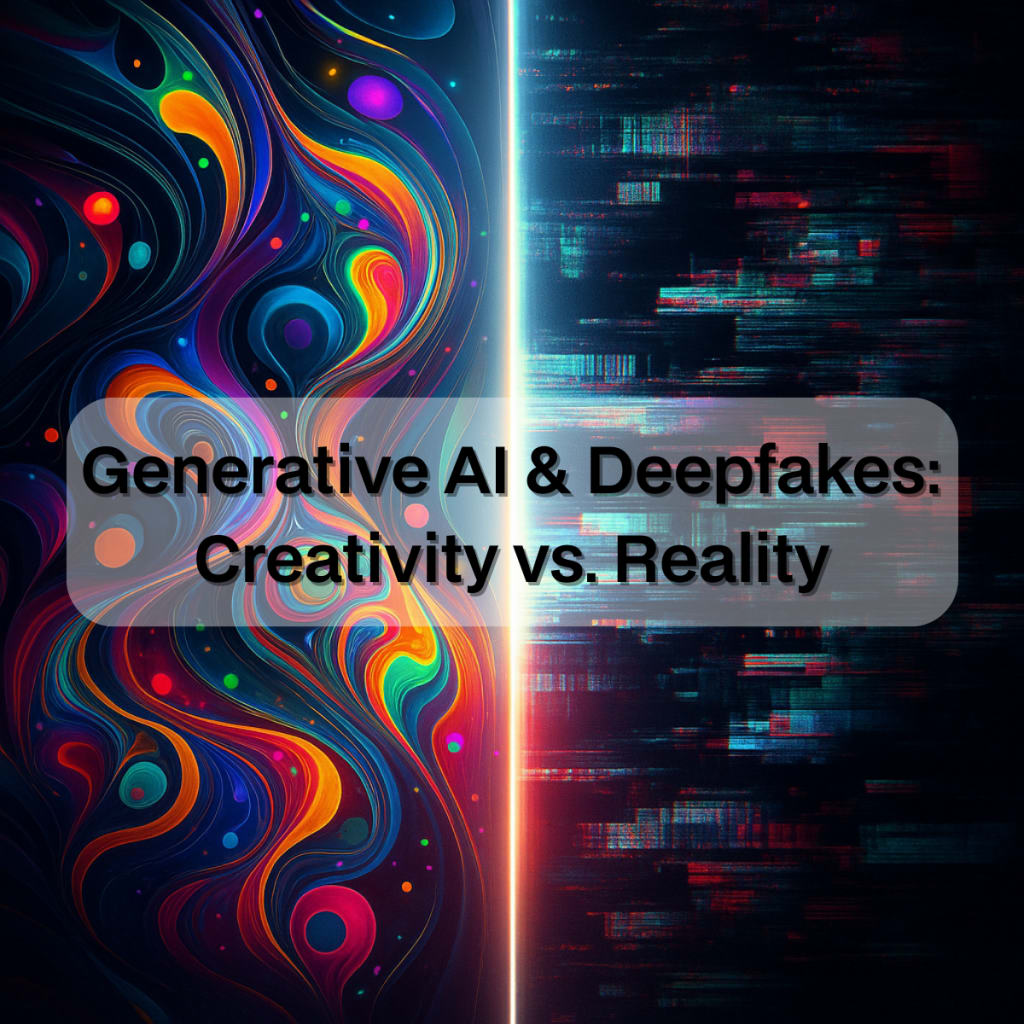
Generative AI is rewriting the rules of creativity. Tools like MidJourney, Stable Diffusion, and ChatGPT have democratized content creation, enabling anyone to design, illustrate, write, or compose in minutes. The output is often so realistic that it blurs the line between the human and the artificial.
But there’s a flip side. The same technology that fuels unprecedented innovation is also powering deepfakes—hyper-realistic fake media capable of deceiving millions. From synthetic celebrity voices to manipulated political speeches, deepfakes threaten trust in media, elections, and even personal security.
This article examines the dual nature of generative AI: as a canvas for human creativity and as a potential engine of misinformation.
The Rise of Generative AI
Generative AI refers to algorithms that create new content—text, images, music, or video—based on learned patterns. Powered by large language models (LLMs) and generative adversarial networks (GANs), these tools replicate and remix patterns from massive datasets.
Key players fueling the trend:
- MidJourney & DALL·E 3: Artistic image generation at scale.
- ElevenLabs: Hyper-realistic synthetic voice creation.
- Runway Gen-2: AI-powered video generation.
- ChatGPT & Claude AI: Advanced text generation, from essays to business copy.
For technology enthusiasts, the excitement lies in the sheer accessibility. A solo creator can now produce professional-grade visuals or music without expensive hardware or years of training.
The Dark Side: Deepfakes
Deepfakes exploit the same generative technology for manipulation. A convincing fake video of a CEO can tank stock prices; a fabricated political speech can sway elections; a synthetic voice clone can bypass security systems.
Why deepfakes are dangerous:
- Erosion of trust: When seeing is no longer believing, credibility collapses.
- Weaponization of misinformation: Fake political ads or doctored interviews can destabilize democracies.
- Personal risk: Identity theft and reputation damage from manipulated personal content are rising concerns.
In fact, surveys show 60% of U.S. internet users are worried about AI-driven fake media. And with elections and global conflicts unfolding, deepfakes have shifted from novelty to national security issue.
Legal & Ethical Questions
The rise of generative AI and deepfakes raises pressing ethical and legal dilemmas:
- Who owns AI-generated content? If AI creates a painting based on millions of internet images, does ownership belong to the AI, the user, or the dataset owners?
- What’s the liability for harm? If a deepfake ruins reputations or spreads falsehoods, who is accountable—the creator, the platform, or the tool provider?
- Should AI-generated works be labeled? Transparency laws, like the EU’s AI Act, already mandate disclosure in high-risk use cases.
These questions remain unresolved, fueling debates across legal, creative, and academic communities.
Striking the Balance: Creativity vs. Reality
Generative AI’s potential is undeniable—it enables bold storytelling, inclusivity, and innovation. But unchecked, it risks undermining trust in the digital world.
For tech enthusiasts, the balance lies in three principles:
- Transparency: Tools must clearly flag AI-generated content.
- Education: Users should learn how to spot ma
- nipulated media.
- Ethics-first innovation: Developers must prioritize responsible use cases over reckless experimentation.
In other words, generative AI should remain a co-creator, not a deceiver.
Generative AI is a paradox—equal parts creative liberation and credibility crisis. It allows individuals to design, write, and innovate at unprecedented speed while also enabling deepfakes that erode trust in media and institutions.
As we stand at this crossroads, the question isn’t whether generative AI will shape our future—it already is. The challenge is ensuring that creativity thrives without letting reality collapse.
About the Creator
Madison Grace
I'm a crypto consultant here to guide you. I break down complex topics like crypto lending/crypto exchange, review platforms, and analyze trends with crypto regulation to make your crypto journey smooth.
Keep reading
More stories from Madison Grace and writers in 01 and other communities.
Why Atlanta is a Hub for Top Mobile App Development
Atlanta is rapidly emerging as a hotspot for mobile app development, offering a unique blend of innovation, resources, and talent that small business owners cannot afford to overlook. With its thriving tech startup scene and supportive business environment, the city provides unparalleled opportunities for launching and growing groundbreaking app solutions. For those eager to tap into the next wave of digital transformation, Atlanta is the place to watch.
By Madison Grace8 months ago in FYI
Smart Cloud Security Tips for a Safer Home Network
In these days’s virtual age, cloud offerings have come to be an imperative part of our personal and professional lives. From storing a circle of relatives' snap shots to coping with economic statistics and smart home devices, the cloud offers convenience and accessibility like by no means before. However, with comfort comes a chance. Cyber threats are evolving swiftly, and domestic customers are increasingly turning into targets. Ensuring your house cloud surroundings are secure is now not optionally available—it’s crucial. Here are smart cloud protection recommendations that will help you shield your private home community and private data.
By Muhammad Hanzlaabout 3 hours ago in 01



Comments
There are no comments for this story
Be the first to respond and start the conversation.