
Generative AI and Copyright
Key Challenges & Smart Solutions

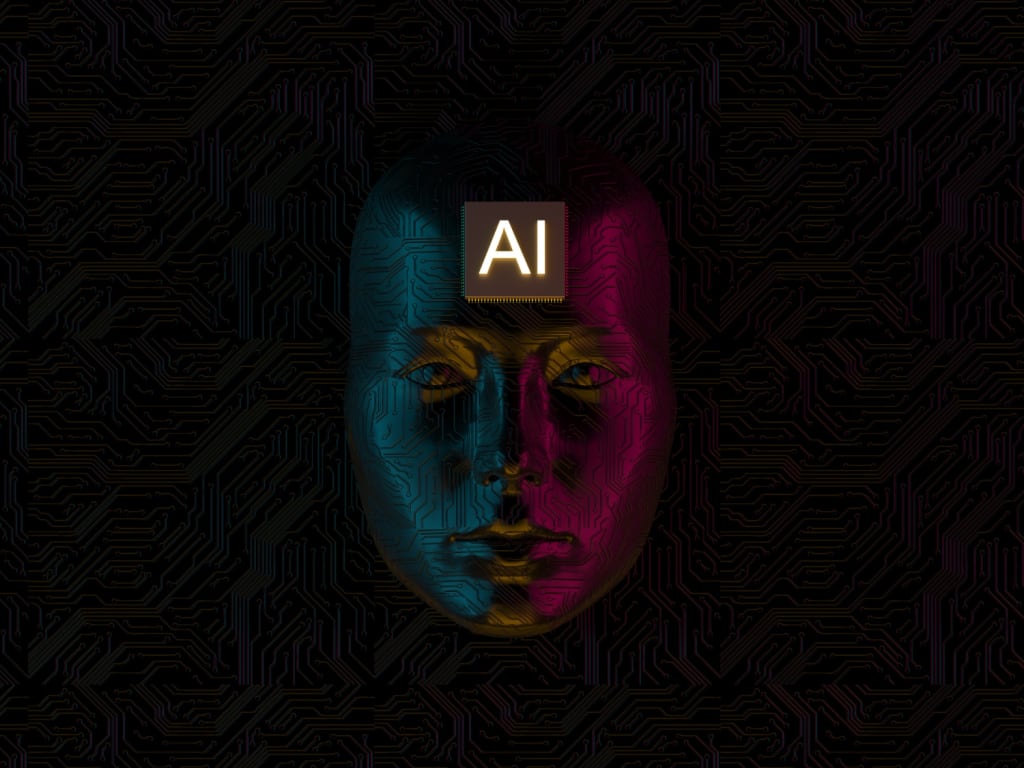
Generative AI is transforming the way industries operate, from content creation and marketing to video game development and digital art. These powerful tools enhance productivity, streamline workflows, and allow businesses to scale creative processes like never before. However, as AI-generated content becomes more widespread, copyright and intellectual property concerns are growing, raising critical legal and ethical questions.
The Copyright Challenge in AI
One of the biggest challenges with generative AI is how it learns. AI models require vast amounts of data for training, and much of this data consists of images, videos, and text that may be copyrighted. These datasets fuel the AI’s ability to generate new content, but they also create legal gray areas. If an AI model is trained on protected works without permission, does its output constitute copyright infringement? Can AI-generated content be considered original, or does it remain derivative of the materials it was trained on? These are pressing concerns that lawmakers, businesses, and creators are actively debating.
Complicating matters further, some AI-generated works bear striking similarities to existing copyrighted materials. This raises concerns about unintentional infringement, where AI-produced content may unknowingly replicate elements of protected works. Additionally, questions arise regarding ownership—if AI creates something new, who holds the rights to it? The original data owner, the AI developer, or the end user leveraging the AI tool?
AI-Powered Solutions for Copyright Protection
Interestingly, AI is not just causing copyright challenges—it is also helping to solve them. Advanced AI-powered tools are being developed to address intellectual property risks and enhance content transparency.
- Computer Vision for Copyright Detection: AI-driven computer vision technology can scan training datasets and identify copyrighted materials before they are used to train generative AI models. This helps developers ensure that their datasets comply with copyright regulations.
- Natural Language Processing (NLP) for Text-Based Content: NLP tools can analyze AI-generated text to detect and prevent potential copyright violations, helping businesses maintain compliance.
- Blockchain for Content Ownership Tracking: Blockchain technology is being explored as a way to verify and track content ownership. By creating a secure, immutable ledger, blockchain can help ensure that AI-generated works are attributed correctly and transparently.
- Watermarking for AI-Generated Works: Digital watermarking techniques allow AI-generated images, videos, and text to be marked for better traceability. These watermarks can serve as indicators of AI involvement, helping to differentiate between human-created and AI-generated content.
Navigating the Copyright Landscape
As AI continues to evolve, so too must the legal and ethical frameworks that govern it. Businesses leveraging AI tools must stay informed about copyright implications and implement best practices to mitigate risks. Some key steps include:
- Using Licensed or Public Domain Data: Ensuring that AI training datasets consist of licensed, public domain, or freely available materials can help avoid copyright complications.
- Employing AI-Based Copyright Screening Tools: Companies can integrate AI-powered copyright detection tools to monitor and verify that their AI-generated content does not infringe on protected works.
- Implementing Transparency Measures: Clearly labeling AI-generated content and maintaining records of how AI tools are trained can promote ethical AI use and foster trust among creators and consumers.
- Staying Up to Date on Evolving Copyright Laws: With AI legislation evolving rapidly, businesses should monitor legal updates and comply with emerging regulations to avoid potential legal disputes.
The Future of AI and Copyright
The intersection of generative AI and copyright law is still developing, and businesses, artists, and legal experts are working to establish clearer guidelines. While AI presents new challenges, it also offers exciting possibilities for innovation and collaboration. By addressing copyright concerns responsibly and leveraging AI-powered solutions, businesses can navigate these challenges while harnessing the full potential of generative AI.
Want to explore these challenges in-depth and discover how businesses can responsibly integrate AI while safeguarding intellectual property? Read our article to learn more about copyright concerns in generative AI and the strategies being developed to navigate them effectively.
About the Creator
TechnoLynx
TechnoLynx is a Software Research and Development Consulting Firm, focusing on algorithmic challenges, including but not limited to machine learning, computer vision, generative AI, Extended Reality and GPU programming.
Keep reading
More stories from TechnoLynx and writers in 01 and other communities.
Real-Time AI in Action
Artificial Intelligence is now part of many systems we use daily. From chatbots to facial recognition, AI is making things faster and smarter. One big reason for this improvement is real-time data streaming. Real-time data helps AI systems react as soon as they receive new information. This means better speed, more accurate results, and smoother user experiences.
By TechnoLynx8 months ago in 01
Inside Nathan Allen Pirtle’s Approach to Culture-Led Brand Growth
Brand growth today isn’t limited by reach or resources. It’s limited by relevance. In markets where attention is fragmented and trust is increasingly hard to earn, the brands that stand out aren’t necessarily the loudest—they’re the ones that understand the culture they operate within.
By Jeffrey D. Gross MD4 days ago in 01
MLOps vs. DevOps: Key Differences and Similarities
The speed of innovation has become inextricably linked to a company's ability to deliver dependable software and intelligent systems. That is the modern market for you. Anyway, for more than a decade, DevOps has served as the foundational methodology. It has brought together software development and IT operations teams to achieve continuous integration and continuous deployment. But with the rise of AI and ML, a new level of complexity has been created. The kind that traditional DevOps practices cannot fully address. ML models are not like standard application code; their performance is inextricably linked to the quality and evolution of the data they consume. Hence, to bridge the gap between the experimental nature of data science and the rigid demands of production IT, MLOps (Machine Learning Operations) was developed.
By Ryan Williamson6 days ago in 01




Comments
There are no comments for this story
Be the first to respond and start the conversation.