
Real-Time AI in Action
From Fast Decisions to Smart Applications

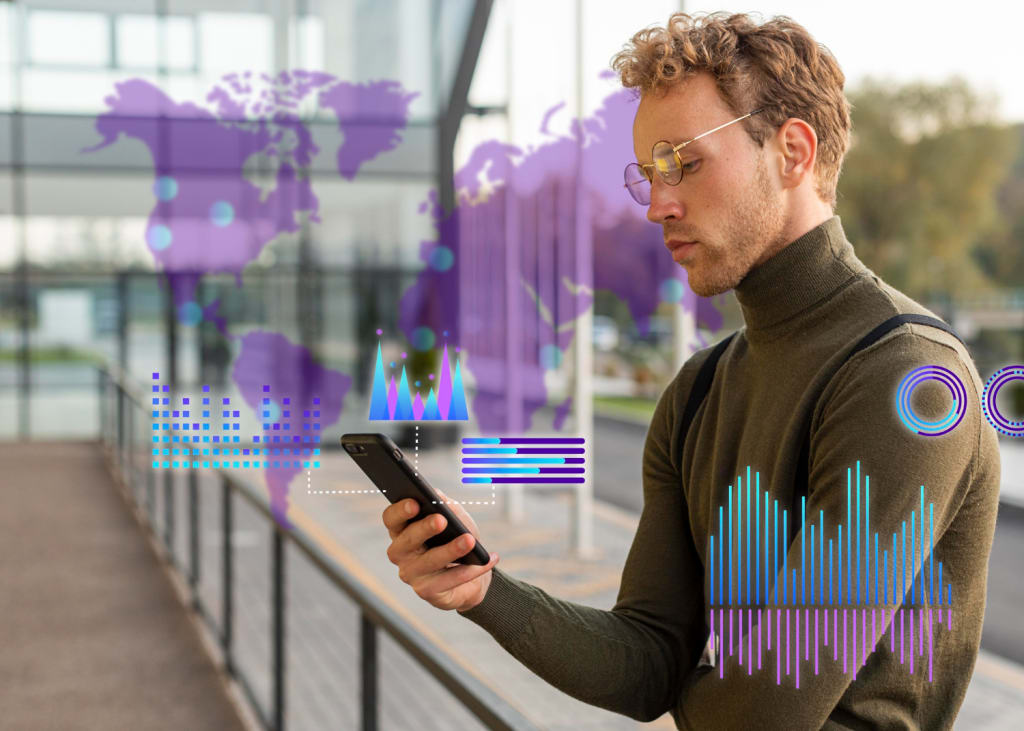
Artificial Intelligence is now part of many systems we use daily. From chatbots to facial recognition, AI is making things faster and smarter. One big reason for this improvement is real-time data streaming. Real-time data helps AI systems react as soon as they receive new information. This means better speed, more accurate results, and smoother user experiences.
What Is Real-Time Data Streaming?
Real-time data streaming is when data gets processed the moment it is created. There’s no waiting. The system reads, analyses, and responds instantly. This is very useful in situations where quick action is needed. For example, banks use real-time data to catch fraud. Healthcare systems use it to support doctors during patient care. Retail apps use it to improve how users shop online.
When this live data connects with AI models, the results become even more useful. AI uses patterns and past data to make decisions. When it gets new data right away, it can update its response quickly. This is the base of many smart systems running in real time.
Where Is It Used?
Many industries now use AI and real-time data streaming together. In finance, systems check for unusual spending patterns and stop fraud before damage is done. This can happen in seconds. In healthcare, AI helps create synthetic medical data during scans. This helps doctors find problems faster, even if patient records are limited.
In customer service, real-time AI powers chatbots and voice assistants. These systems can listen to a question, understand it, and reply within moments. In e-commerce, websites adjust product suggestions based on what the user is looking at right now. This keeps people engaged and increases sales.
Social media platforms also use real-time AI. They check for harmful or banned content the moment it is uploaded. If something breaks the rules, it gets removed quickly. This keeps users safer and helps platforms follow rules.
What Makes It Work?
This setup needs strong technical support. AI and real-time streaming can use a lot of computing power. That’s where tools like GPU acceleration and edge computing help.
GPU acceleration means using graphics processing units to do lots of calculations at once. This helps AI models process large amounts of data without delay. Many companies use GPUs to make AI work faster in real-time settings.
Edge computing puts processing closer to where the data is made. This could be in a hospital, shop, or camera system. It means data doesn’t have to travel far to be used. The system reacts faster because it works right where the data is generated.
Computer vision is another helpful tool. It allows AI to understand images and video. This is used in facial recognition, traffic systems, and medical scans. AI can find faces, detect movement, or notice changes in real time.
What Are the Challenges?
Real-time AI has many benefits, but it also brings risks. One of the biggest concerns is deepfakes. These are fake images or videos made to look real. With fast AI tools, creating deepfakes is easier than before. This makes it harder to tell what is true and what is not.
Another concern is synthetic data. While this helps in training AI models, too much fake data can reduce accuracy. If the balance is off, systems may not work as well in real-world settings.
There is also the issue of privacy. Real-time systems often use cameras, microphones, or sensors. People worry about how this data is collected and used. Clear rules and careful planning are needed to protect users.
Looking Ahead
Real-time AI will likely keep growing. More industries will start using it. New tools will help process data even faster. As this happens, developers and companies must use it responsibly.
Good design and strong systems are important. So are privacy rules and user safety. If used carefully, AI and real-time streaming can make services better and help people every day.
This article shows how real-time data and AI work together, where they are used, and what we should think about moving forward. Simple tools like GPUs, edge computing, and computer vision play a big part in making these smart systems possible.
About the Creator
TechnoLynx
TechnoLynx is a Software Research and Development Consulting Firm, focusing on algorithmic challenges, including but not limited to machine learning, computer vision, generative AI, Extended Reality and GPU programming.
Keep reading
More stories from TechnoLynx and writers in 01 and other communities.
Simple Guide to AI Object Tracking
AI Object Tracking: A Simple Look at How It Works and Why It Matters AI object tracking is becoming more common in many industries. It helps track people, vehicles, products, and movements in real time. This technology uses computer vision, AI algorithms, GPS, and sensors to collect and analyse data. With AI object tracking, businesses can make better decisions, work faster, and improve safety.
By TechnoLynx9 months ago in 01
The Evolving World of Startup Funding in Canada
Canada’s startup ecosystem has matured significantly over the last decade. What once felt like a small, tightly knit community has expanded into a diverse, nationwide network of founders, investors, accelerators, and policymakers. Alongside this growth, the way startups access funding has changed—sometimes quietly, sometimes dramatically.
By Mentoria Team5 days ago in 01




Comments
There are no comments for this story
Be the first to respond and start the conversation.