
Full Stack Developement
"Mastering the Tools and Technologies of Full Stack Development"

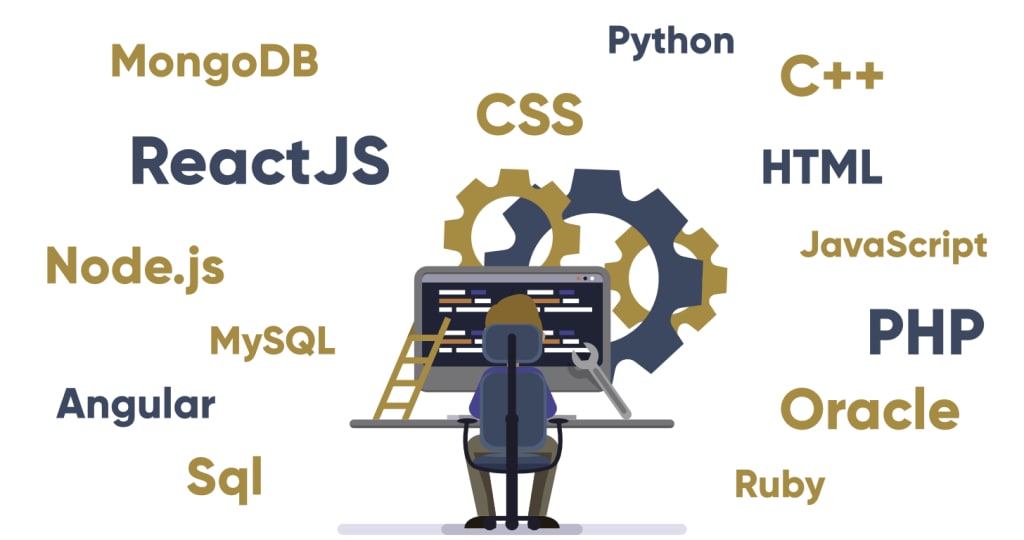
Full Stack Development
Full stack development refers to the practice of developing both the frontend (client-side) and backend (server-side) of a web application. A full stack developer is someone who is capable of working on all layers of a web application, from the user interface to the server-side logic and database.
To become a full stack developer, you typically need to have knowledge and skills in multiple programming languages, frameworks, and tools. For example, you may need to know HTML, CSS, JavaScript, a backend programming language such as Python or Node.js, and a database technology such as MySQL or MongoDB.
Some of the key skills required for full stack development include:
Knowledge of web development frameworks such as React, Angular, Vue, or Django
Proficiency in server-side programming languages such as Python, Ruby, or Node.js
Familiarity with database technologies such as MySQL, PostgreSQL, or MongoDB
Ability to work with APIs and integrate external services into web applications
Understanding of web security principles and best practices
Ability to work with version control systems such as Git.
Overall, full stack development is a challenging but rewarding field that requires a broad range of technical skills and an understanding of the entire web development stack.
Knowledge of web development frameworks such as React, Angular, Vue, or Django
React: React is a popular front-end JavaScript library for building user interfaces. It was developed by Facebook and is widely used for creating interactive and dynamic web applications.
Angular: Angular is a front-end web application framework developed by Google. It's used for building large-scale, complex web applications and provides a robust set of features for building interactive user interfaces.
Vue: Vue is another front-end JavaScript framework used for building user interfaces. It's known for being lightweight and easy to learn, making it a popular choice for smaller web applications.
Django: Django is a backend web framework for Python. It provides a powerful set of tools and features for building web applications quickly and efficiently and is widely used for building complex web applications with a lot of data and functionality.
Each of these frameworks has its own unique set of features and benefits, and the choice of which one to use depends on the specific needs of the web application being developed.
React
React is a JavaScript library for building user interfaces. It was developed by Facebook and is widely used for creating interactive and dynamic web applications. React allows developers to build reusable UI components and provides a declarative approach to building user interfaces.
React uses a virtual DOM (Document Object Model) which allows it to update only the necessary parts of the DOM when the state of the application changes. This makes it highly efficient and fast, even for complex web applications.
React can be used with other JavaScript libraries and frameworks, and it has a large ecosystem of third-party packages and tools that make it easier to build complex web applications. Some popular tools and frameworks used with React include Redux for managing application state, React Router for handling routing, and Next.js for building server-side rendered applications.
React is an open-source library and has a large and active community of developers who contribute to its development and maintenance. Because of its popularity and ease of use, react is widely used in the industry for building web application
Angular
Angular is a web application framework for building dynamic, single-page applications (SPAs). It was originally developed by Google and is now maintained by a community of developers.
Angular provides a robust set of features for building interactive user interfaces and is used for building large-scale, complex web applications. It uses a declarative syntax for defining application logic and provides a range of built-in directives, services, and modules that make it easier to build complex web applications.
One of the key features of Angular is its ability to handle data binding and dependency injection, which makes it easier to manage the state of an application and ensure that components are modular and reusable.
Angular also has a built-in testing framework that allows developers to test their applications at various levels, including unit tests, integration tests, and end-to-end tests.
Angular is a popular choice for building enterprise-level web applications, as it provides a powerful set of tools and features for building large, complex applications. However, it can have a steeper learning curve compared to other frontend frameworks such as React or Vue.
Vue
Vue is a progressive JavaScript framework for building user interfaces. It's similar to React and Angular in that it allows developers to create reusable UI components and provides a declarative approach to building user interfaces.
Vue is known for its simplicity and ease of use, making it a popular choice for smaller web applications or for developers who are new to frontend web development. It provides a flexible, component-based architecture that makes it easy to create and reuse UI components across an application.
One of the key features of Vue is its ability to provide reactive data binding, which allows changes to the state of an application to be automatically reflected in the user interface. This makes it easier to build dynamic and interactive user interfaces without needing to write a lot of code.
Vue also provides a range of built-in directives, filters, and plugins that make it easier to build complex web applications. It can be used with other JavaScript libraries and frameworks, and has a large ecosystem of third-party packages and tools that make it easier to build and maintain web applications.
Overall, Vue is a lightweight and easy-to-learn framework that's well-suited for smaller web applications or for developers who are new to frontend web development. However, it's also capable of handling larger and more complex applications with the help of its built-in features and ecosystem of third-party tools.
Django
Django is a high-level backend web framework for Python that provides a powerful set of tools and features for building web applications. It's known for its focus on rapid development and its ability to handle complex web applications with a lot of data and functionality.
Django uses the Model-View-Controller (MVC) architectural pattern, which separates the application's data model, user interface, and control logic into separate components. This makes it easier to develop and maintain complex web applications.
Django provides a range of built-in features, including an Object-Relational Mapping (ORM) system that makes it easier to interact with databases, a templating system for rendering HTML templates, and built-in support for handling user authentication and authorization.
Django also provides a robust set of tools for handling common web application tasks such as routing, caching, and form validation. Additionally, Django has a large and active community of developers who contribute to its development and maintenance, and there are many third-party packages and tools available for extending its functionality.
Overall, Django is a powerful and flexible web framework that's well-suited for building complex web applications quickly and efficiently. Its built-in features and ecosystem of third-party tools make it a popular choice for web developers who need to build large-scale web applications.
Proficiency in server-side programming languages such as Python, Ruby, or Node.js
proficiency in server-side programming languages such as Python, Ruby, or Node.js refers to a developer's ability to write code for the server-side of web applications using these programming languages.
Python is a popular server-side programming language that's widely used for building web applications using frameworks like Django and Flask. It's known for its ease of use and readability, and has a large and active community of developers who contribute to its development and maintenance.
Ruby is another popular server-side programming language that's commonly used with the Ruby on Rails framework. It's known for its simplicity and elegance, and has a strong focus on convention over configuration, which makes it easy to build web applications quickly.
Node.js is a server-side JavaScript runtime that allows developers to use JavaScript for both client-side and server-side development. It's built on the Chrome V8 JavaScript engine and provides a non-blocking I/O model that makes it well-suited for building scalable and high-performance web applications.
Proficiency in these server-side programming languages involves understanding their syntax, data structures, control structures, functions, and libraries, as well as being able to write clean, efficient, and maintainable code. It also involves understanding the best practices and patterns for building web applications using these languages, such as MVC architecture, RESTful APIs, and database integration.
Python
Python is a high-level, interpreted programming language that's commonly used for server-side web development. It's known for its ease of use and readability, which makes it a popular choice among developers.
Python is used for building web applications using frameworks like Django and Flask, which provide a robust set of tools and features for building scalable and maintainable web applications. Django is a popular Python web framework that's known for its ability to handle complex web applications, while Flask is a more lightweight and flexible framework that's well-suited for smaller web applications.
Python's simplicity and readability make it easy to learn and write code quickly, which is why it's often used in education and research. It has a large and active community of developers who contribute to its development and maintenance, which means there are many third-party packages and libraries available for extending its functionality.
Python is also widely used in data science and machine learning, and has a range of libraries and tools for working with data and building predictive models. Overall, Python's ease of use, readability, and versatility make it a popular choice for web developers, data scientists, and researchers alike.
Ruby
Ruby is a high-level, interpreted programming language that's commonly used for server-side web development. It's known for its simplicity and elegance, and has a strong focus on developer productivity and code readability.
Ruby is often used with the Ruby on Rails framework, which provides a set of tools and conventions for building web applications quickly and efficiently. Ruby on Rails emphasizes convention over configuration, which means developers can focus on writing application code instead of spending time on configuration and setup.
Ruby on Rails provides a number of built-in features and tools, such as a Model-View-Controller (MVC) architecture, an Object-Relational Mapping (ORM) system, and built-in support for handling user authentication and authorization. This makes it easier to build complex web applications with a lot of functionality.
Ruby's simplicity and focus on developer productivity make it easy to learn and write code quickly, which is why it's often used in startups and small businesses. It has a passionate community of developers who contribute to its development and maintenance, and there are many third-party packages and tools available for extending its functionality.
Overall, Ruby's simplicity, elegance, and focus on productivity make it a popular choice for web developers who need to build web applications quickly and efficiently.
Node.js
Node.js is a server-side JavaScript runtime that allows developers to use JavaScript for both client-side and server-side web development. It's built on the Chrome V8 JavaScript engine, which provides high performance and reliability.
Node.js provides a non-blocking I/O model, which means that it can handle multiple requests simultaneously without blocking other requests. This makes it well-suited for building scalable and high-performance web applications that can handle a large number of simultaneous connections.
Node.js provides a rich set of features and tools for building web applications, including an event-driven architecture, built-in support for asynchronous programming, and a large ecosystem of third-party packages and libraries.
Node.js is often used for building real-time web applications, such as chat applications and online games, as well as server-side applications that handle a lot of data and require high performance. It has a large and active community of developers who contribute to its development and maintenance, and there are many resources available for learning and using Node.js.
Overall, Node.js is a popular choice for web developers who want to use JavaScript for both client-side and server-side development, and need a runtime that provides high performance, scalability, and reliability.
Proficiency
proficiency in server-side programming languages like Python, Ruby, or Node.js involves a deep understanding of their syntax, data structures, control structures, functions, and libraries. This includes knowledge of language-specific features and tools that can be used to build web applications, such as Django and Flask for Python, Ruby on Rails for Ruby, and Express.js for Node.js.
In addition to language-specific knowledge, proficiency in server-side programming also involves understanding best practices and patterns for building web applications using these languages. This includes knowledge of software architecture patterns like Model-View-Controller (MVC), which is used to separate the presentation, data, and logic of an application. It also involves understanding how to design and implement RESTful APIs, which are used to expose application data and functionality to clients.
Proficiency in server-side programming languages also involves understanding how to integrate databases into web applications, including the ability to design and implement database schemas, use Object-Relational Mapping (ORM) systems, and write efficient queries to retrieve and manipulate data.
Writing clean, efficient, and maintainable code is also an important aspect of proficiency in server-side programming languages. This includes adhering to coding standards and best practices, using appropriate design patterns and principles, and writing code that is easy to read, understand, and maintain.
Overall, proficiency in server-side programming languages involves a combination of language-specific knowledge, best practices and patterns, and the ability to write clean, efficient, and maintainable code.
Familiarity with database technologies such as MySQL, PostgreSQL, or MongoDB
familiarity with database technologies such as MySQL, PostgreSQL, or MongoDB is an important aspect of building web applications that require data storage and retrieval.
MySQL and PostgreSQL are relational database management systems (RDBMS) that use SQL as their query language. They are widely used in web development for storing and retrieving data, and provide a variety of features for managing large amounts of structured data.
MongoDB, on the other hand, is a popular NoSQL database that stores data in JSON-like documents. It provides a flexible and scalable data model, making it a popular choice for web applications that require a lot of data storage and retrieval.
Familiarity with database technologies involves understanding how to design and implement database schemas, how to write efficient queries to retrieve and manipulate data, and how to ensure data consistency and integrity. It also involves understanding how to use database management tools to monitor and maintain database performance and security.
Overall, familiarity with database technologies is an important aspect of building web applications that require data storage and retrieval, and involves knowledge of both relational and non-relational database management systems and their associated tools and technologies.
MySQL and PostgreSQL
MySQL and PostgreSQL are two popular relational database management systems (RDBMS) that are widely used in web development for storing and retrieving data.
Both MySQL and PostgreSQL use SQL (Structured Query Language) as their query language, which is a standard language for managing relational databases. SQL allows developers to create, modify, and query databases using a set of commands and syntax that is easy to learn and use.
MySQL is known for its speed, scalability, and ease of use. It's often used for web applications that require a lot of data storage and retrieval, such as e-commerce sites, social media platforms, and content management systems.
PostgreSQL, on the other hand, is known for its robustness, reliability, and support for advanced features such as JSON data types, full-text search, and spatial data. It's often used for web applications that require complex data modeling and advanced database functionality, such as financial systems, scientific research applications, and government databases.
Both MySQL and PostgreSQL provide a variety of features for managing large amounts of structured data, such as support for transactions, indexing, and data replication. They also provide tools for managing and monitoring database performance and security.
Overall, MySQL and PostgreSQL are two widely used RDBMS that provide a powerful set of features for managing and querying structured data using SQL.
MongoDB
MongoDB is a popular NoSQL (not only SQL) database that stores data in JSON-like documents. It provides a flexible and scalable data model, making it a popular choice for web applications that require a lot of data storage and retrieval.
Unlike MySQL and PostgreSQL, which use a tabular or relational data model, MongoDB uses a document-oriented data model. This means that data is stored in flexible, JSON-like documents, which can contain nested data structures and arrays.
MongoDB is designed to be highly scalable and can handle large amounts of data with ease. It provides features such as sharding, which allows data to be distributed across multiple servers for increased performance and availability.
MongoDB is also known for its ease of use and flexibility. It has a simple and intuitive API that makes it easy to work with data in a variety of programming languages. It also provides a powerful set of features for querying and manipulating data, such as support for ad hoc queries, aggregation pipelines, and geospatial queries.
Overall, MongoDB is a popular choice for web applications that require a flexible and scalable data model, such as social media platforms, e-commerce sites, and content management systems. Its document-oriented data model and powerful querying capabilities make it a popular alternative to traditional relational databases like MySQL and PostgreSQL.
RDBMS
RDBMS stands for Relational Database Management System. It is a type of database management system that stores and organizes data in a tabular format, with data stored in tables that have rows and columns.
In an RDBMS, each table represents a specific entity or concept in the data model, with columns representing attributes or properties of that entity. Data is organized in a structured manner and can be easily accessed and queried using SQL (Structured Query Language), a language used to manage and manipulate relational databases.
RDBMSs are widely used in web development for storing and retrieving data, and are often used in conjunction with web frameworks such as Django, Ruby on Rails, and Laravel.
Some popular RDBMSs include MySQL, PostgreSQL, Oracle, SQL Server, and SQLite. They offer a variety of features for managing large amounts of structured data, including transaction management, data integrity, and security features.
Overall, RDBMSs provide a reliable and efficient way to store, organize, and manage data for web applications, and are a fundamental tool for web developers to understand.
RDBMS stands for Relational Database Management System. It's a type of database management system that stores data in a tabular format, with data organized into tables, rows, and columns.
RDBMS is based on the relational model, which was introduced by E.F. Codd in the 1970s. The relational model is based on the concept of relations, which are sets of tuples that represent entities and their attributes.
In an RDBMS, data is stored in tables, which consist of rows and columns. Each row represents a single record, while each column represents a specific attribute of that record. RDBMS use Structured Query Language (SQL) as their standard language for querying and manipulating data.
RDBMS provide a number of advantages, such as the ability to enforce data integrity and consistency through the use of constraints and transactions. They also provide powerful querying capabilities through SQL, making it easy to retrieve and manipulate data in a variety of ways.
Popular RDBMS include MySQL, PostgreSQL, Oracle, and Microsoft SQL Server. They are widely used in a variety of industries and applications, including finance, healthcare, e-commerce, and more.
SQL
SQL stands for Structured Query Language, and it's a standard language used for managing and manipulating data in relational databases. SQL is used for creating, modifying, and querying databases, and it's essential for working with relational database management systems (RDBMS).
SQL is a declarative language, which means that it's used to specify what you want to do with the data, rather than how you want to do it. SQL allows you to perform a wide range of operations on your data, including selecting specific data from tables, inserting new data into tables, updating existing data, and deleting data from tables.
SQL statements are divided into different categories, such as data manipulation language (DML) statements for modifying data, data definition language (DDL) statements for creating and modifying database objects like tables and indexes, and data control language (DCL) statements for controlling access to the database.
SQL is used by developers and data analysts to work with data stored in RDBMS like MySQL, PostgreSQL, and Oracle. It's a powerful tool for managing large amounts of data and performing complex operations on that data.
Ability to work with APIs and integrate external services into web applications
An API, or Application Programming Interface, is a set of protocols and tools used for building software applications. APIs allow different software applications to communicate with each other and exchange data. In web development, APIs are often used to integrate external services, such as social media platforms or payment gateways, into web applications.
To work with APIs and integrate external services into web applications, developers need to have a good understanding of the HTTP protocol and how to make HTTP requests using programming languages like Python, Ruby, or JavaScript. They also need to be familiar with common data formats used in APIs, such as JSON or XML, and be able to parse and manipulate data returned by APIs.
Developers also need to understand authentication and authorization mechanisms used by APIs, such as OAuth or API keys, to ensure that their applications can securely access external services. They also need to be able to handle errors and exceptions that may occur when working with APIs.
Overall, the ability to work with APIs and integrate external services is an important skill for web developers, as it allows them to add new functionality and features to their web applications and provide a better user experience for their users.
HTTP protocol
HTTP, or Hypertext Transfer Protocol, is the protocol used for communication between web servers and web clients, such as web browsers or mobile apps. It's the foundation of the World Wide Web and is used for retrieving resources, such as HTML pages, images, and videos, from web servers.
When a client requests a resource from a server, it sends an HTTP request that specifies the method (such as GET, POST, or PUT), the resource being requested (such as a URL), and other headers that provide additional information about the request. The server then sends an HTTP response that includes the requested resource, along with other headers that provide additional information about the response.
HTTP is a stateless protocol, which means that each request and response is independent of any previous requests or responses. To maintain state in a web application, developers often use cookies or session management techniques that allow the server to recognize returning users.
In addition to the basic functionality of retrieving resources from web servers, HTTP also supports a variety of other features, such as caching, compression, and authentication, which allow web developers to optimize the performance and security of their web applications.
JSON
JSON, or JavaScript Object Notation, is a lightweight data interchange format that is easy for humans to read and write, and easy for machines to parse and generate. It's often used in web development as a way to transmit data between a client and a server.
JSON is based on a subset of the JavaScript programming language, and is composed of key-value pairs that are separated by commas and enclosed in curly braces. For example
{
"name": "John Smith",
"age": 30,
"email": "[email protected]"
}
JSON values can be of several types, including strings, numbers, booleans, null, arrays, and nested objects. The structure of a JSON object can be easily manipulated and accessed in many programming languages, making it a popular choice for transmitting data over the internet.
Web APIs often use JSON to transmit data between the server and client, allowing developers to easily integrate external services into their web applications.
XML
XML, or Extensible Markup Language, is a markup language that is similar to HTML in its syntax, but is designed to be more flexible and extensible. It's often used in web development as a way to describe and transmit data between systems.
XML uses tags to describe data, just like HTML does. However, unlike HTML, XML tags are not pre-defined, and can be created by the developer as needed. For example:
<person>
<name>John Smith</name>
<age>30</age>
<email>[email protected]</email>
</person>
XML documents can also define custom tags and attributes, allowing developers to create their own structured data formats that are specific to their needs.
While JSON has largely replaced XML as the preferred data interchange format in modern web development, XML is still used in many legacy systems and in specialized applications where its flexibility and extensibility are useful.
XML, or Extensible Markup Language, is a markup language that is used to encode documents in a format that is both human-readable and machine-readable. It was designed to be a more flexible and extensible alternative to HTML.
In XML, data is stored in tags that describe the data's structure and meaning. For example:
<book>
<title>Harry Potter and the Philosopher's Stone</title>
<author>J.K. Rowling</author>
<publisher>Bloomsbury</publisher>
<year>1997</year>
</book>
XML allows developers to define their own tags, making it a very flexible format for exchanging data between different systems. However, it can be more verbose and complex than other data interchange formats like JSON.
XML was widely used in web development in the past, particularly for web services and APIs, but it has largely been replaced by JSON as the preferred format for transmitting data over the internet.
Understanding of web security principles and best practices
Understanding web security principles and best practices is essential for any web developer. This includes knowledge of common security vulnerabilities, such as SQL injection, cross-site scripting (XSS), and cross-site request forgery (CSRF), and how to prevent them.
Developers should also be familiar with authentication and authorization mechanisms, such as password hashing, session management, and token-based authentication. They should know how to implement secure communication over HTTPS and understand the importance of keeping software and systems up-to-date with security patches.
Other best practices include validating user input, limiting access to sensitive data, and implementing proper access controls. Developers should also be aware of the potential risks of third-party libraries and APIs and take steps to secure their use.
Overall, understanding web security principles and best practices is critical for ensuring the confidentiality, integrity, and availability of web applications and protecting users' data and privacy.
Understanding web security principles and best practices is essential for web developers to ensure that their applications are secure and protect user data. This includes understanding common web security threats, such as cross-site scripting (XSS) and SQL injection, and knowing how to prevent them.
Some best practices for web security include:
Input validation: validating all user input to prevent malicious data from being entered.
Authentication and authorization: ensuring that only authorized users can access certain parts of the application.
Encryption: using encryption to protect sensitive data, such as passwords and credit card numbers, during transmission and storage.
Secure coding practices: writing code that is secure and resistant to attacks, such as using parameterized queries to prevent SQL injection.
Keeping software up to date: regularly updating software and dependencies to ensure that known vulnerabilities are patched.
Regular testing: performing regular security testing and vulnerability scans to identify and address any weaknesses in the application.
By following these best practices and staying up-to-date on the latest web security threats and solutions, web developers can help ensure that their applications are secure and protect user data.
SQL injection
SQL injection is a type of security vulnerability that can occur in web applications that use SQL databases. It allows an attacker to inject malicious SQL code into an application's input fields, which can then be executed by the database. This can result in unauthorized access to sensitive data, modification of data, or even complete deletion of data.
SQL injection attacks typically occur when an application fails to properly validate user input or sanitize data before using it in SQL queries. This can allow an attacker to craft SQL statements that can manipulate the database, bypass authentication, and perform other malicious actions.
Preventing SQL injection attacks requires proper input validation and parameterization of SQL queries. Developers should always validate user input and sanitize data before using it in SQL queries. They should also use prepared statements or parameterized queries, which can prevent SQL injection attacks by separating SQL code from user input.
Overall, understanding and preventing SQL injection attacks is an important aspect of web security for any developer working with SQL databases.
Cross-site scripting (XSS)
Cross-site scripting (XSS) is a type of web security vulnerability where an attacker injects malicious code into a web page viewed by other users. This can be done by exploiting vulnerabilities in web applications that allow user input to be injected into the page, such as input fields or URL parameters.
The malicious code injected by the attacker can be used to steal sensitive user data, such as login credentials or session tokens, or to perform other malicious actions on the user's behalf. This can happen without the user's knowledge, as the malicious code runs within the context of the web page and can access and modify the page's content.
To prevent XSS attacks, web developers must validate and sanitize all user input that is used in web pages, such as form data or URL parameters. They can also use security measures like Content Security Policy (CSP) to restrict the types of content that can be loaded on a page, and to prevent the execution of malicious scripts.
Cross-site request forgery (CSRF)
Cross-site request forgery (CSRF) is a type of web security vulnerability that allows an attacker to perform unwanted actions on a website where the victim is currently authenticated. The attack works by tricking the victim into clicking a malicious link or submitting a form that performs an action on the website, such as changing their account information or making a purchase.
To carry out a CSRF attack, the attacker first needs to identify a vulnerable form or link on the target website that performs an action when submitted. They can then create a fake website or email that contains the malicious link or form, which is designed to look like a legitimate request from the target website. When the victim clicks the link or submits the form, their browser sends the request to the target website with their authentication credentials, allowing the attacker to perform the desired action on their behalf.
To prevent CSRF attacks, web developers can use techniques such as adding a unique token to each form or link, using the HTTP "Referer" header to check the source of the request, or implementing a "same-site" cookie policy to limit the scope of cookies to the same domain.
Third-party libraries
Third-party libraries refer to software libraries that are developed by individuals or organizations outside of the primary development team of a software project. These libraries can provide additional functionality or features that are not included in the core codebase of the project, and can be used to save development time and effort.
In web development, there are many third-party libraries available for a wide range of tasks, such as frontend libraries like React, Angular, and Vue for building user interfaces, and backend libraries like Express.js and Flask for building web servers.
Using third-party libraries can provide many benefits, such as reducing development time, improving code quality, and adding new features to a project. However, it's important to carefully evaluate and select third-party libraries to ensure that they are reliable, secure, and compatible with the rest of the project. It's also important to keep these libraries up-to-date to address any potential security vulnerabilities or bugs that may arise.
Ability to work with version control systems such as Git.
Version control systems (VCS) such as Git are software tools that help developers manage changes to their codebase over time. They allow developers to track changes, collaborate with others, and revert to previous versions of the code if necessary. Git is one of the most popular VCS used in web development and provides a range of features, including branching and merging, pull requests, and code reviews. Being proficient in Git involves understanding its command-line interface and basic concepts such as committing, pushing, pulling, and resolving merge conflicts. It also involves understanding best practices for using Git in a team environment, such as creating meaningful commit messages and using branching strategies effectively.
Version control systems such as Git are tools used by software developers to manage changes to their code over time. They allow developers to track changes, collaborate with others, and easily revert to previous versions of their code if necessary.
Proficiency in working with Git involves understanding its core concepts such as commits, branches, merges, and pull requests. It also involves being able to use the Git command-line interface and graphical user interface tools, as well as understanding the best practices for using Git in a team environment.
About the Creator
JD Vance: ‘despicable toady for Trump’ – and 2028 candidate in all but name
JD Vance has moved quickly from outsider to one of the most influential figures in American politics. As vice president, he has positioned himself as Donald Trump’s most aggressive defender while quietly building a future of his own. Publicly, he presents loyalty. Privately, many see preparation.
By Dena Falken Esqabout 14 hours ago in 01


Comments
There are no comments for this story
Be the first to respond and start the conversation.