
Flood Lighting Illuminate Your Space with Power and Precision
Enhance Safety, Security, and Aesthetic Appeal with Effective Outdoor Lighting Solutions
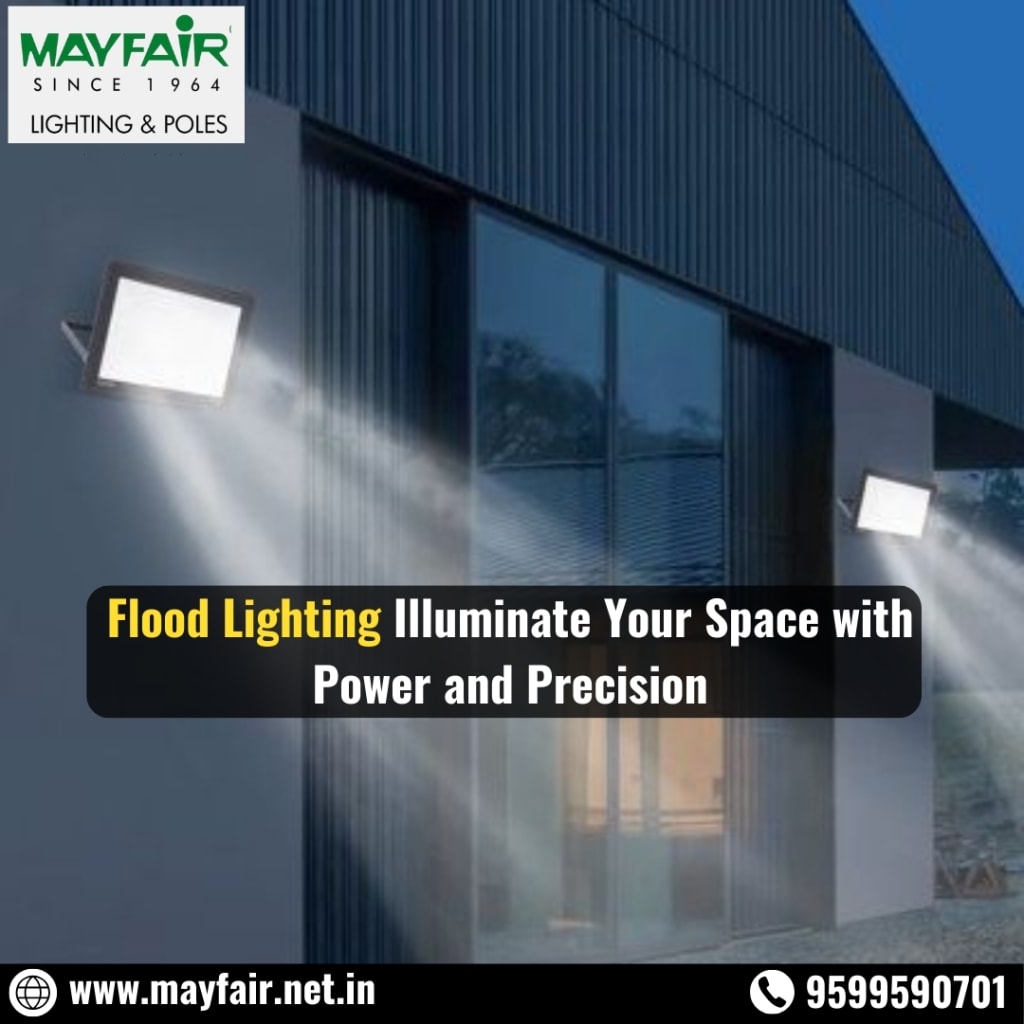
Flood lighting is an essential component in outdoor illumination, designed to provide bright, expansive lighting for various applications. Whether you're looking to enhance security, improve safety, or create an inviting atmosphere, flood lighting is a versatile solution that meets all your lighting needs. This article will explore the various aspects of flood lighting, emphasizing its power and precision in illuminating your space.
What is Flood Lighting?
Flood lighting refers to high-intensity lights that produce a wide beam of light, typically used to illuminate large outdoor areas. Unlike traditional lighting fixtures that focus light in a narrow direction, flood lights disperse it over a broad angle, making them ideal for illuminating parks, gardens, parking lots, building exteriors, and sports fields.
Flood lights are available in various forms, including LED, halogen, and metal halide options. The choice of flood light depends on the specific requirements of the space being illuminated, including brightness, energy efficiency, and color temperature.
Benefits of Flood Lighting
Flood lighting offers a range of benefits that make it a popular choice for both residential and commercial applications:
1. Enhanced Security
One of the primary reasons for installing flood lighting is to boost security. Well-lit areas deter criminal activity, as darkness provides cover for illicit activities. By strategically placing flood lights around entry points, driveways, and other vulnerable areas, property owners can effectively deter trespassers and vandals. The bright illumination acts as a strong visual deterrent, helping to protect your property.
Many flood lighting systems come equipped with motion sensors, which activate the lights when movement is detected. This feature not only enhances security but also conserves energy by illuminating the area only when necessary.
2. Improved Safety
Safety is another critical benefit of flood lighting. Poorly lit outdoor areas increase the risk of accidents, such as slips and falls. Flood lighting ensures that paths, walkways, stairs, and driveways are clearly visible, reducing the risk of injury.
For businesses, adequate lighting is essential for the safety of visitors, employees, and customers. Parking lots, in particular, benefit from flood lighting, as it ensures that pedestrians and vehicles are visible at all times.
3. Aesthetic Appeal
Flood lighting is not just about security and safety; it can also enhance the visual appeal of a property. By illuminating architectural features, gardens, or landscaping elements, flood lighting adds to the ambiance of outdoor spaces. Homeowners can use flood lights to create dramatic effects, lighting up trees, fountains, or pathways, making the property more inviting at night.
For commercial properties, well-lit exteriors contribute to curb appeal, attracting customers and creating a welcoming atmosphere. Retail stores, hotels, and restaurants often use flood lighting to make their spaces more inviting after dark, encouraging foot traffic and enhancing brand visibility.
4. Energy Efficiency
Modern flood lighting systems, particularly LED flood lights, are highly energy-efficient. LED (Light Emitting Diode) technology has revolutionized outdoor lighting by using significantly less power than traditional halogen or incandescent bulbs. LED flood lights not only consume less electricity but also have a much longer lifespan, reducing maintenance costs and the need for frequent replacements.
Solar-powered flood lights offer an even more energy-efficient option. These lights harness sunlight during the day, storing energy to illuminate outdoor spaces at night. Solar-powered flood lighting is ideal for areas where running electrical wiring is impractical, providing an eco-friendly alternative for reducing carbon footprints.
Types of Flood Lighting
Flood lighting comes in various forms, each designed to cater to specific needs and environments. Understanding the types of flood lighting available will help you choose the best option for your outdoor space.
1. LED Flood Lights
LED flood lights are the most popular and energy-efficient option on the market. They produce bright, consistent light while using a fraction of the energy compared to traditional lighting. LED flood lights are also long-lasting, making them a cost-effective solution for both residential and commercial properties.
2. Halogen Flood Lights
Halogen flood lights provide bright, white light similar to natural daylight. While they are less energy-efficient than LED lights, halogen flood lights are still widely used in large outdoor areas due to their strong illumination. However, they tend to have shorter lifespans and higher power consumption compared to LEDs.
3. Solar-Powered Flood Lights
Solar-powered flood lights are an excellent option for eco-conscious property owners. These lights are powered by solar panels, which absorb sunlight during the day and convert it into energy to power the flood lights at night. Solar-powered flood lighting is ideal for remote areas or outdoor spaces where it is difficult to install electrical wiring.
4. Motion-Sensor Flood Lights
Motion-sensor flood lights are equipped with sensors that detect movement, activating the lights only when movement is present. These lights are particularly useful for security purposes, as they only illuminate when needed, conserving energy and reducing light pollution. Motion-sensor flood lights are commonly used in driveways, entryways, and parking lots.
How to Choose the Right Flood Lighting
Selecting the right flood lighting depends on several factors, including the size of the area you need to illuminate, the purpose of the lighting, and your energy efficiency goals. Here are a few key considerations:
Brightness: The brightness of flood lights is measured in lumens. Higher lumen ratings provide more intense light, suitable for large spaces. For residential areas, flood lights with a lumen range between 700 and 1,500 are often sufficient.
Energy Efficiency: LED flood lights are the most energy-efficient option, using up to 80% less energy than traditional bulbs. Solar-powered flood lights provide an even more sustainable solution, requiring no electricity from the grid.
Durability: Since flood lights are typically installed outdoors, it’s essential to choose lights that are weather-resistant. Look for flood lights with high IP (Ingress Protection) ratings, indicating that they are protected against water, dust, and other environmental elements.
Installation Tips for Flood Lighting
To maximize the benefits of flood lighting, proper installation is crucial. Here are some tips to ensure effective installation:
Determine Placement: Identify areas that require illumination. Focus on entry points, walkways, driveways, and any other vulnerable spots.
Use Multiple Lights: Depending on the area size, consider using multiple flood lights to ensure even coverage and eliminate dark spots.
Adjust Beam Angles: Many flood lights allow you to adjust the beam angle.
Height Matters: Install flood lights at an appropriate height to achieve optimal coverage. Typically, mounting them 10 to 15 feet high will provide effective illumination.
Utilize Smart Technology: Consider using smart flood lights that can be controlled via smartphone apps, allowing you to customize settings and schedules conveniently.
Conclusion
Flood lighting is a powerful tool for illuminating outdoor spaces, offering enhanced security, safety, and aesthetic appeal. Whether you're lighting up a driveway, garden, parking lot, or building facade, flood lighting provides the brightness and coverage necessary for any outdoor area. With modern options like energy-efficient LED lights and eco-friendly solar-powered lights, flood lighting has become both practical and sustainable.
About the Creator
Keep reading
More stories from Mayfair Lighting and writers in 01 and other communities.
Maximize Efficiency with Long-lasting Industrial Lights
In today’s fast-paced industrial environments, lighting plays a crucial role in productivity, safety, and efficiency. Industrial lights are specifically designed to provide powerful illumination in large spaces, whether it’s a factory floor, warehouse, or production area. Proper lighting solutions are essential for ensuring that tasks are completed efficiently and safely. This article focuses on how choosing the right industrial lights can help maximize efficiency and create a safer, more productive workspace.
By Mayfair Lightingabout a year ago in 01
Why Do You Need to Back up Documents in SharePoint?
SharePoint is a Microsoft product that promotes collaboration among organizations by allowing them to store, organize, manage, and share documents and other content. You can create intranet as well as extranet websites on SharePoint for content sharing while having thorough control over data confidentiality and security. Just like other data storage platforms, it is also prone to data loss and corruption issues. This creates the need to backup SharePoint with all of its data, including site collection, sites, subsites, lists, libraries, folders, versions, metadata, etc.
By Xanthe Clay2 days ago in 01
Why Professionals Lose Focus: The Hidden Neurological Reasons You’re Mentally Exhausted
Some mornings begin with a quiet promise to be productive. I wake up believing this will be the day everything finally comes together. I make the list. I plan the order. I sit down, ready to start. And then something strange happens.
By James Mburu2 days ago in 01




Comments
There are no comments for this story
Be the first to respond and start the conversation.