
Find My Phone: How Find My Device and Find My iPhone Boost Chances of Recovery and Track Lost Phones
Tools, tips, and expert insights on finding lost Android and iPhone devices
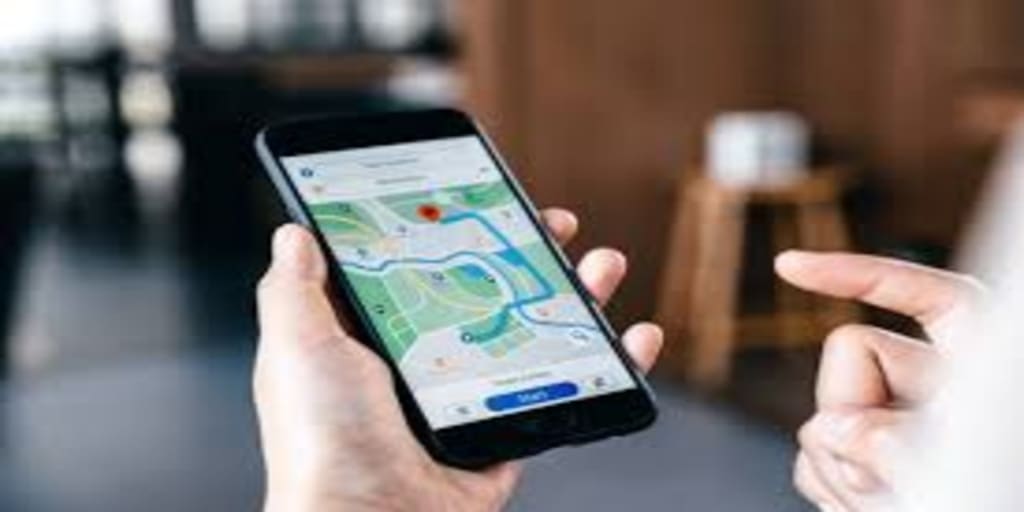
Find My Phone tools from Apple and Google are transforming how lost smartphones are recovered. Find My Device expands offline tracking and security features, while Find My Phone helps users lock, locate, and protect lost iPhones and Android devices.
Published: 6 February 2026
Losing a smartphone remains one of the most stressful tech mishaps for consumers, and for many users, the first instinct is to search for Find My Phone solutions that can locate a missing device quickly. Advances in tracking systems from Google and Apple are making it easier to regain control of misplaced or stolen phones. From enhanced offline location reporting to remote security actions, modern phone recovery capabilities are delivering real-world benefits for users who prepare in advance.
What Is Driving Smarter Phone Recovery Tools
Smartphone tracking services have become indispensable as phones increasingly hold not only contact lists and photos, but financial credentials and identity data. Apple’s Find My ecosystem continues to integrate location reporting across iPhones, iPads, and Macs, while Google’s Find My Device system — now evolving into a broader network — leverages global Android participation to boost recovery odds. For consumers, this evolution has positioned Find My Phone features as a core part of everyday digital safety rather than an optional extra.
Industry analysts note that the era of passive “if it’s online” tracking is giving way to systems designed to work even when devices are offline or powered down, provided the right settings are enabled beforehand.
How Apple’s Find My iPhone Tracks Lost Devices
Apple’s Find My iPhone platform is widely regarded as one of the most effective tools for locating misplaced iPhones. When users enable Find My iPhone and related options such as “Send Last Location,” the device can report its final coordinates before shutting down.
Once a lost device reconnects to a network, the Find My map shows its position, and owners can play a sound, remotely lock it, or trigger Lost Mode — displaying a contact message on the lock screen to aid recovery.
Security analyst Jenna Long explains that Apple’s offline tracking network effectively turns nearby Apple devices into encrypted location relays, significantly increasing the chances of locating a powered-off phone.
Exploring Google’s Find My Device and Android Recovery Tools
For Android users, services such as Find My Phone allow device owners to locate missing phones by signing in with their Google account and viewing the last known location. These Find My Phone tools make it possible to ring the device, secure it remotely, or display a recovery message on the lock screen even when the phone is set to silent.
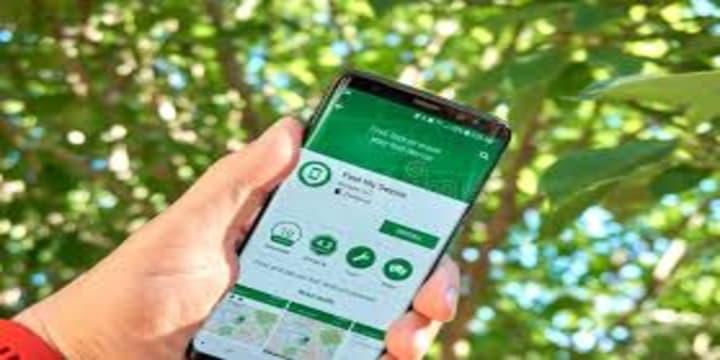
Recent updates have expanded the reach of Find My Device by enabling compatible Android phones to transmit low-power Bluetooth signals that can be detected by other nearby Android devices. This crowdsourced approach mirrors Apple’s strategy, using encrypted signals to protect privacy while improving recovery success.
Technology researcher Daniel Keane notes that offline tracking has become a turning point for Android users, particularly on newer devices that support low-energy location reporting even after shutdown.
Preparing Your Device Before It Goes Missing
Cybersecurity experts consistently stress that preparation is the most important factor in recovering a lost smartphone. Marcus Hale, a veteran digital security consultant, says most permanent phone losses occur because tracking services were never enabled, leaving users unable to activate Find My Phone tools when they need them most.
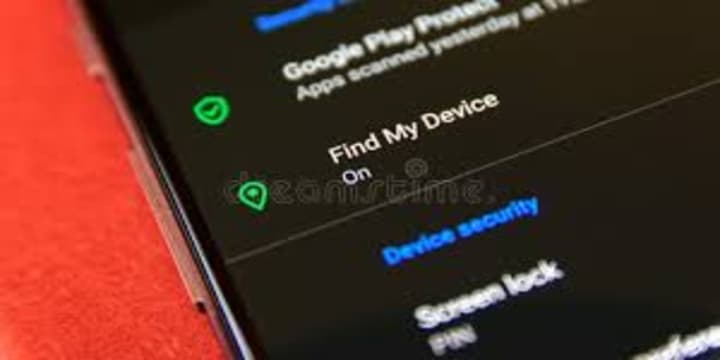
On iPhones, this means activating Find My iPhone, enabling the Find My network, and allowing last-location reporting. On Android devices, users should confirm that Find My Device is switched on, location services are active, and account access is secured.
These steps ensure that if a phone is misplaced in a public setting or stolen, the owner has actionable location data rather than starting from scratch.
Locking, Erasing, and Protecting Personal Data
Beyond tracking, modern recovery platforms prioritise data protection. Apple’s Lost Mode locks the device instantly and prevents access to personal content. If recovery becomes unlikely, users can remotely erase their data to prevent misuse.
Android’s Find My Device offers similar protections, allowing users to secure the phone with a new lock or perform a full data wipe. These safeguards reduce the risk of identity theft and discourage unauthorised resale.
Staying Alert to Fake Recovery Messages and Scams
As Find My Phone features have become more common, scammers have attempted to exploit anxious users. Security warnings highlight phishing messages that impersonate legitimate recovery notifications, prompting users to enter Apple ID or Google credentials on fake websites.
Legitimate recovery alerts never request login details via text or email. Experts advise enabling two-factor authentication and accessing recovery tools directly through official portals rather than clicking unsolicited links.
What to Do the Moment You Realise Your Phone Is Lost
When a phone goes missing, quick action can make all the difference. Logging into the appropriate tracking service allows users to see the last recorded location, trigger a sound if the device is nearby, or lock it immediately if it appears to be moving.
Providing law enforcement or network providers with identifying information, such as the IMEI number, may also assist recovery efforts. Many users now share account access details with trusted family members, ensuring someone else can act if they are unable to do so themselves.
For additional recovery guidance and device-tracking resources, users can refer to Find My Phone for practical steps and support.
Why Phone Tracking Networks Matter More Than Ever
As smartphones remain central to work, payments, and communication, their protection has become a core concern for manufacturers and consumers alike. Apple and Google continue refining their tracking networks, improving offline functionality, and expanding global participation.
These systems no longer simply help locate lost devices — they position Find My Phone technology as a critical security layer that protects personal data and reduces the impact of theft in an increasingly mobile world.
About the Creator
Alex Ray
Education: American University, BA in Journalism Alexander Ellington is the chief editor and reporter for Biden News & a number of other media websites.
Thanks for being a reader and leave aTip if you wish.
How Small Businesses are Actually Using Custom AI to Save Time
For a long time, the narrative surrounding artificial intelligence was that it belonged exclusively to the giants of Silicon Valley. Small and medium-sized businesses (SMBs) often viewed these technologies as too expensive, too complex, or simply unnecessary for their scale. However, the landscape has shifted. We have moved from the era of "experimentation" into an era of "practical implementation."
By ViitorCloud Technologies3 days ago in 01




Comments
There are no comments for this story
Be the first to respond and start the conversation.