
Fact or Fiction: Could Scientists Really Resurrect Dinosaurs?
By Jay Phoenix
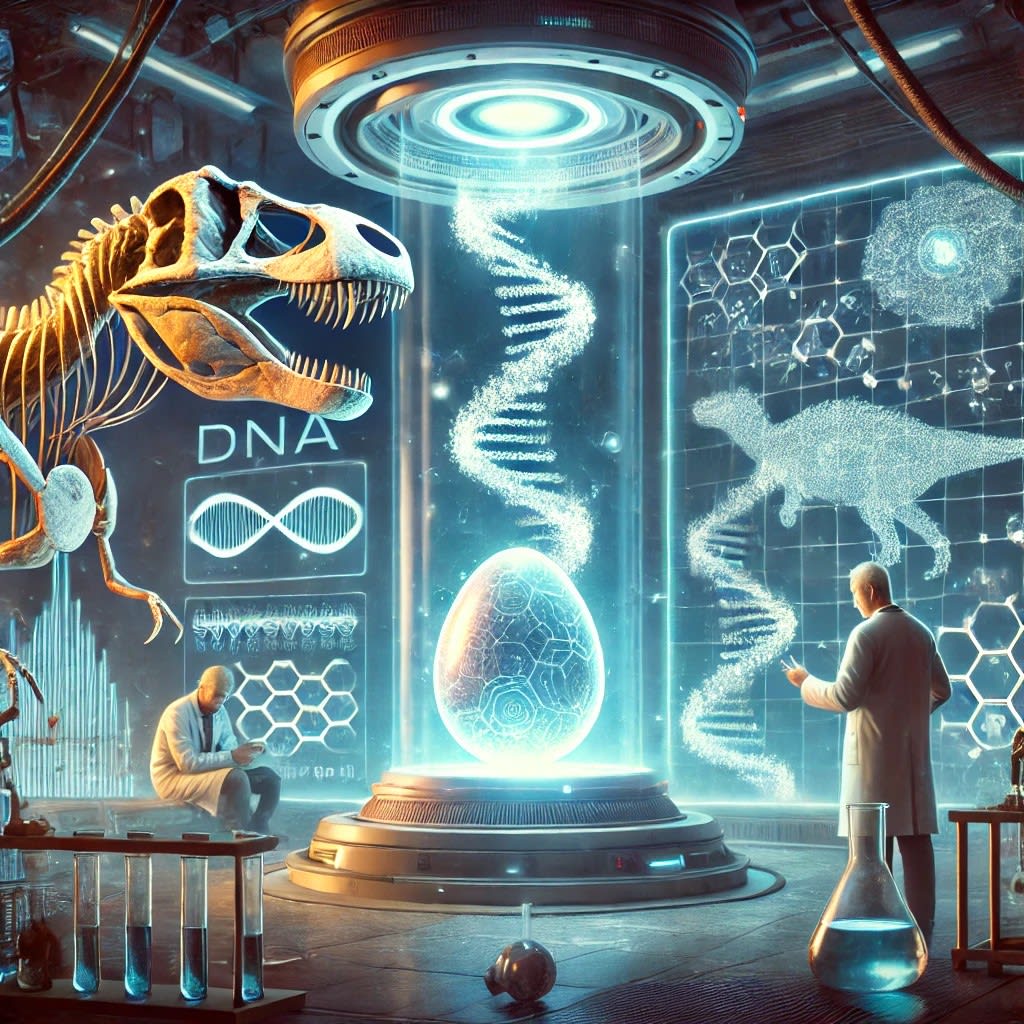
Dinosaurs have captured human imagination for centuries, inspiring countless books, movies, and theories about their world. The idea of bringing these prehistoric giants back to life, popularized by movies like *Jurassic Park*, raises thrilling questions. Could scientists actually resurrect dinosaurs using modern technology, or is this a pipe dream?
Let’s dig into the science behind de-extinction, explore the possibilities, and separate fact from fiction.
The Science of Resurrecting Dinosaurs
Resurrecting dinosaurs would require a combination of genetic engineering, paleontology, and advanced biotechnology. Here are the main approaches scientists have considered:
1. Cloning
Cloning requires intact DNA, as demonstrated with Dolly the Sheep, the first mammal cloned in 1996. For dinosaurs, the challenge lies in obtaining viable DNA. DNA degrades over time, and most dinosaur remains are millions of years old, far beyond the lifespan of DNA.
2. DNA Reconstruction
Scientists have proposed piecing together fragments of ancient DNA using modern sequencing technologies. However, even if fragments are found, reconstructing a full genome is a monumental task, given the gaps and complexities in ancient DNA.
3. Reverse Engineering Modern Relatives
Birds are the closest living relatives of dinosaurs, with chickens sharing many genetic traits. Some scientists propose modifying bird genomes to "reactivate" dormant dinosaur-like traits, effectively creating a modern version of a dinosaur.
Fossilized DNA: The Missing Piece
One of the biggest hurdles to resurrecting dinosaurs is the lack of intact DNA. Fossils preserve the shape and structure of bones but rarely contain usable genetic material. The oldest DNA ever recovered comes from a mammoth, estimated to be around 1.2 million years old—far younger than the 65-million-year gap since dinosaurs roamed the Earth.
Even amber, which famously preserved a mosquito in *Jurassic Park*, is unlikely to contain viable dinosaur DNA. While amber can trap organisms, DNA degrades quickly due to environmental factors.
Real-Life Success Stories in De-Extinction
While dinosaurs remain out of reach, scientists have made strides in de-extinction for more recently extinct species:
- Woolly Mammoths: Researchers are working to insert mammoth genes into elephant embryos to create a hybrid species adapted to cold climates.
- Pyrenean Ibex: In 2003, scientists briefly revived this extinct species using cloning, though the clone died shortly after birth.
These successes demonstrate the potential of de-extinction but also highlight the challenges involved.
Ethical and Ecological Questions
Resurrecting dinosaurs raises significant ethical and ecological concerns:
1. Habitat
The Earth today is vastly different from the Jurassic and Cretaceous periods. Dinosaurs would have no natural habitats, making their survival and integration into modern ecosystems difficult.
2. Human Safety
Large predators like T. rex and raptors could pose obvious risks. Even herbivores like Triceratops might inadvertently destroy modern landscapes and ecosystems.
3. Resource Allocation
Should we focus on reviving extinct species or prioritizing the conservation of endangered ones? Critics argue that resources spent on de-extinction might be better used to protect current biodiversity.
4. Playing God
Bringing back dinosaurs forces us to confront philosophical questions about humanity’s role in nature and the ethical limits of scientific intervention.
Could Dinosaurs Be Recreated Another Way?
1. Genetically Modified Dinosaurs
Reverse-engineering birds, like chickens, offers a more plausible path. Scientists have already experimented with "dino-chickens," activating dormant traits such as teeth and tails in bird embryos.
2. Synthetic Biology
Advancements in synthetic biology could one day allow us to create entirely new organisms inspired by dinosaurs, rather than exact replicas.
Why Does the Idea Persist?
The fascination with resurrecting dinosaurs stems from:
- Pop Culture: Movies and media have romanticized the idea of living alongside dinosaurs.
- Scientific Curiosity: Dinosaurs represent a unique challenge that pushes the boundaries of science.
- Human Ambition: The desire to achieve what seems impossible fuels interest in de-extinction.
Fact or Fiction?
Could scientists resurrect dinosaurs? For now, the answer is fiction. The lack of viable DNA and the immense scientific, ethical, and ecological challenges make it highly unlikely. However, the pursuit of de-extinction continues to advance our understanding of genetics, evolution, and biodiversity.
The Bottom Line
While the dream of seeing a real-life dinosaur may remain in the realm of fiction, the science behind de-extinction is very real and progressing rapidly. From protecting endangered species to exploring the limits of genetic engineering, this field has the potential to shape the future in profound ways. Dinosaurs may stay extinct, but their legacy continues to inspire bold ideas and innovations.
About the Creator
Keep reading
More stories from Jay Phoenix and writers in 01 and other communities.
Fact or Fiction: The Truth About 5G and Health Risks
With the rollout of 5G technology promising faster internet speeds and improved connectivity, excitement about its potential is matched by widespread concern about its safety. Questions about whether 5G poses risks to human health have fueled debates, conspiracy theories, and scientific investigations. But what does the evidence actually say?
By Jay Phoenixabout a year ago in 01
How Much Does App Development Cost in Colorado?
You are probably staring at a napkin sketch thinking you’ve found the next big thing. Good for you. Truly. But I reckon your first real hurdle isn't the code. It is the cold, hard cash required for app development cost in Colorado.
By Sherry Walker7 days ago in 01
How to Choose a Mobile App Development Company in 2026
The Google ecosystem is currently undergoing a structural realignment that fundamentally changes how mobile applications are discovered and validated. We are witnessing a tectonic movement away from traditional index-based search toward a unified Trust Graph where Entity Signals dictate market survival.
By Devin Rosario5 days ago in 01



Comments
There are no comments for this story
Be the first to respond and start the conversation.