
Fact or Fiction: Can CRISPR Technology Create Superhumans?
By Jay Phoenix
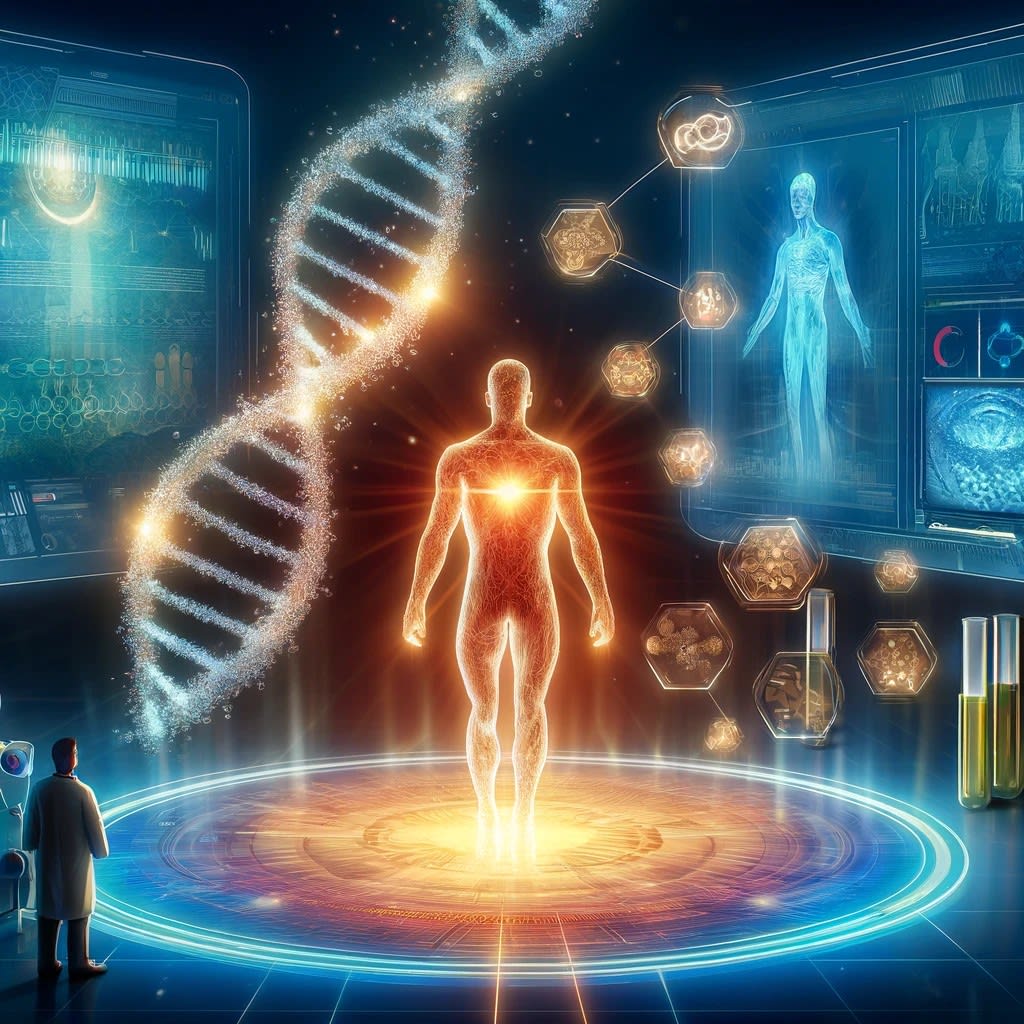
The idea of genetically engineered "superhumans" has long been a staple of science fiction. From enhanced strength to heightened intelligence, the possibilities seem limitless. But with the advent of CRISPR, a groundbreaking gene-editing tool, the line between science fiction and reality is becoming increasingly blurred.
Could CRISPR technology truly pave the way for superhumans? Let’s explore the science, ethics, and potential of this revolutionary technology to determine if the concept of engineered superhumans is fact or fiction.
What is CRISPR?
CRISPR, short for "Clustered Regularly Interspaced Short Palindromic Repeats," is a tool that allows scientists to edit genes with unprecedented precision. Originally discovered as part of a bacterial immune system, CRISPR uses a protein called Cas9 to cut DNA at specific locations. This enables researchers to:
- Remove Mutations: Correct genetic defects that cause diseases.
- Enhance Traits: Modify genes to improve certain characteristics.
- Study Genes: Understand the role of specific genes in health and disease.
The technology is already being used in labs worldwide to combat genetic disorders like sickle cell anemia and cystic fibrosis, but its potential goes far beyond treating diseases.
The Case for Superhumans
CRISPR’s ability to edit genes has sparked speculation about its use to enhance human abilities. Proponents argue that gene editing could:
1. Enhance Physical Abilities
- Strength and Endurance: By modifying genes related to muscle growth and oxygen efficiency, CRISPR could create individuals with greater physical capabilities.
- Disease Resistance: Editing genes to make humans immune to certain diseases could lead to longer, healthier lives.
2. Boost Intelligence
CRISPR could potentially target genes associated with memory, learning, and problem-solving, leading to enhanced cognitive abilities.
3. Customize Appearance
Traits like height, eye color, and skin tone could be altered, allowing for designer babies tailored to parental preferences.
4. Increase Longevity
Targeting genes linked to aging could slow down the aging process, extending the human lifespan.
Scientific Progress
While the idea of superhumans may seem far-fetched, recent advancements suggest it’s not entirely out of reach:
- Gene Editing in Embryos: In 2018, Chinese scientist He Jiankui claimed to have edited the genes of twin girls to make them resistant to HIV, sparking global controversy.
- Animal Studies: Experiments have shown that CRISPR can enhance muscle mass in mice and improve their endurance.
- Agricultural Success: CRISPR has been used to create disease-resistant crops, demonstrating its ability to enhance biological traits.
The Ethical Dilemmas
The potential to create superhumans raises significant ethical concerns:
1. Equity and Access
Gene editing could widen the gap between the rich and poor, with only wealthy individuals able to afford enhancements.
2. Unintended Consequences
Editing one gene could have unforeseen effects on other genes, leading to health issues or new diseases.
3. Designer Babies
Allowing parents to choose their child’s traits could lead to a loss of genetic diversity and societal pressure to conform to certain ideals.
4. Playing God
Altering the human genome raises philosophical questions about humanity’s role in nature and the ethical limits of scientific intervention.
Scientific Challeng es
Despite its promise, CRISPR is not without limitations:
- Off-Target Effects: CRISPR can sometimes edit unintended parts of the genome, causing unpredictable results.
- Complex Traits: Many human traits, like intelligence, are influenced by multiple genes and environmental factors, making them difficult to enhance.
- Ethical and Legal Barriers: Many countries have strict regulations on human gene editing, slowing progress in this field.
Why the Fascination?
1. Pop Culture Influence
Movies like "Gattaca" and "Limitless" have popularized the idea of enhanced humans, making the concept both thrilling and relatable.
2. Human Aspiration
The desire to overcome limitations and achieve greatness drives interest in technologies like CRISPR.
3. Scientific Curiosity
CRISPR’s potential to unravel the mysteries of human biology makes it one of the most exciting scientific developments of our time.
Fact or Fiction?
So, can CRISPR create superhumans? For now, the answer is closer to fiction. While the technology holds incredible promise, the scientific, ethical, and technical challenges make the creation of superhumans a distant possibility rather than an imminent reality.
The Bottom Line
CRISPR is a revolutionary tool that has already transformed medicine and biology. While the idea of superhumans captures the imagination, its current applications are focused on curing diseases and understanding the human genome. Whether or not CRISPR will one day create enhanced humans, its journey will undoubtedly shape the future of science and society. For now, superhumans remain a fascinating blend of fact and fiction.
About the Creator
Keep reading
More stories from Jay Phoenix and writers in 01 and other communities.
Fact or Fiction: Are Robots a Threat to Humanity?
From sci-fi blockbusters like "The Terminator" to real-world debates among scientists, the idea of robots posing a threat to humanity has captured public imagination. As artificial intelligence (AI) and robotics advance at breakneck speed, concerns about their impact on society have shifted from fiction to potential reality.
By Jay Phoenixabout a year ago in 01
Cost to Develop an App Like TikTok: Full Guide (2026)
So, you reckon you have the next billion-dollar idea? You want to build a TikTok killer. Join the club, mate. In 2026, everyone and their grandmother is trying to pivot to video, thinking a simple app wrapper and a few API calls will print money.
By Sherry Walker5 days ago in 01
The Blue Ridge Stalker
Tom had left the Ford down the way, its spark plugs finally exhausted and no mechanics for a dozen miles back through the foothills to Strossburg. No matter, he had worn his boots—almost as if he planned for this to happen. The puzzle he sought to solve emanated from the woods clinging to the slopes above; the valley behind held no mysteries.
By Stephen A. Roddewig6 days ago in Fiction


Comments
There are no comments for this story
Be the first to respond and start the conversation.