
Fact or Fiction: Are Chupacabra Sightings Real?
By Jay Phoenix
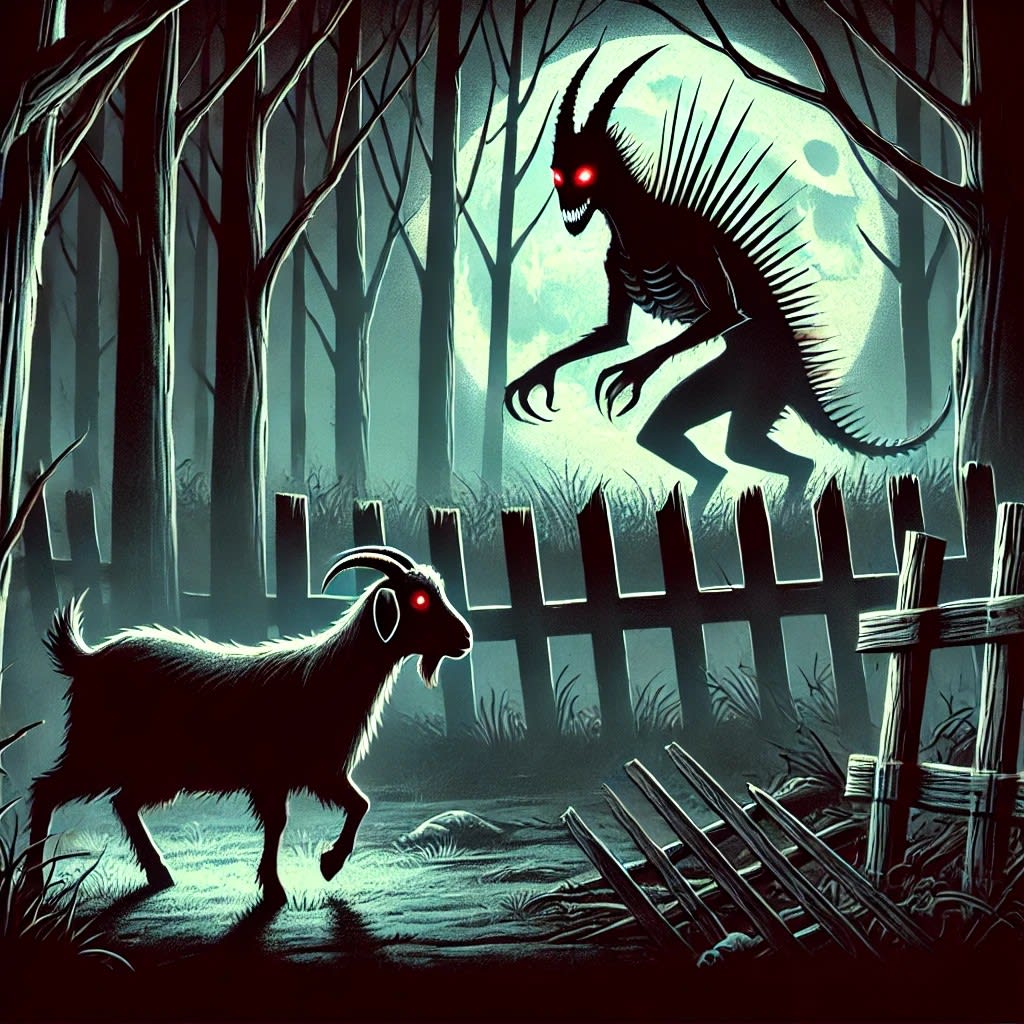
In the world of cryptids, few creatures spark as much intrigue as the chupacabra. Known as the "goat sucker," this mysterious being is said to drain the blood of livestock, leaving behind lifeless bodies with puncture wounds. First reported in Puerto Rico in the 1990s, chupacabra sightings have since spread across the Americas, inspiring fear, fascination, and skepticism.
But is the chupacabra real, or is it just a legend fueled by imagination and misidentifications? Let’s investigate the origins, sightings, and scientific explanations behind this infamous cryptid.
The Birth of the Chupacabra Legend
The chupacabra legend began in 1995 when several livestock deaths were reported in Puerto Rico. Farmers found goats, chickens, and other animals drained of blood, with mysterious puncture wounds on their necks. The name “chupacabra”—Spanish for “goat sucker”—was coined to describe the creature blamed for these attacks.
Early Descriptions
Eyewitness accounts described the chupacabra as a reptilian-like creature about 4 to 5 feet tall, with:
- Large, glowing red eyes.
- Spines running down its back.
- Sharp claws and fangs.
Some compared it to alien beings, linking it to UFO sightings in the region.
Sightings Spread Across the Americas
After the initial reports in Puerto Rico, sightings of the chupacabra spread rapidly:
1. Mexico and Central America
Farmers in Mexico and Central America reported similar livestock deaths, often attributing them to the chupacabra. The descriptions began to vary, with some claiming the creature had fur and resembled a wild dog.
2. The United States
Chupacabra sightings eventually reached the United States, particularly in Texas. Many described a canine-like creature with mange, leading to debates about whether these were actual chupacabras or simply diseased coyotes.
3. South America
Countries like Brazil and Chile also reported chupacabra attacks, adding to the cryptid’s global notoriety. The creature’s legend continued to evolve with each new sighting.
Theories and Explanations
While believers insist the chupacabra is a real creature, skeptics offer alternative explanations:
1. Misidentified Animals
Many supposed chupacabras have turned out to be dogs, coyotes, or raccoons suffering from severe mange. The disease causes hair loss and skin irritation, giving these animals a bizarre, monstrous appearance.
2. Natural Predation
Scientists argue that puncture wounds and blood loss in livestock can often be attributed to natural predators, such as foxes or feral dogs, rather than a mythical creature.
3. Mass Hysteria
The chupacabra legend’s rapid spread has been fueled by media coverage and cultural storytelling. Fear and suggestion can lead people to interpret ordinary events as evidence of the cryptid.
Scientific Investigations
Several investigations have sought to debunk the chupacabra myth:
- DNA Testing: Samples from alleged chupacabras have consistently matched known animals like coyotes or dogs.
- Autopsy Results: Animals supposedly killed by chupacabras often show signs of natural predation rather than blood-sucking.
- Behavior Analysis: No predator is known to exclusively drain blood while leaving meat untouched, making the chupacabra’s alleged behavior highly improbable.
Cultural Significance
The chupacabra is more than just a cryptid; it’s a cultural phenomenon:
- Folklore and Identity: In Puerto Rico and Latin America, the chupacabra has become a symbol of local folklore and resilience.
- Pop Culture: The creature appears in movies, TV shows, and video games, cementing its status as a global icon.
- Tourism: Some regions capitalize on the legend, attracting cryptid enthusiasts and curious travelers.
Why Do People Believe?
The persistence of the chupacabra legend can be attributed to:
- Fear of the Unknown: Strange livestock deaths are unsettling, and attributing them to a mythical creature provides an explanation.
- Cultural Context: Stories of supernatural beings resonate deeply in communities with rich storytelling traditions.
- Media Amplification: Sensational headlines and viral videos keep the legend alive in the public consciousness.
Fact or Fiction?
Are chupacabras real? The evidence overwhelmingly points to fiction. Misidentified animals, natural predators, and cultural storytelling explain most “sightings.” While the creature’s legend adds a thrilling element to local folklore, there’s no scientific proof of its existence.
The Bottom Line
The chupacabra remains a fascinating example of how myths can capture the imagination and spread across the world. Whether you see it as a symbol of cultural identity or just an entertaining urban legend, the chupacabra’s story is a reminder of humanity’s enduring fascination with the unknown. Real or not, the goat sucker has earned its place in the pantheon of legendary creatures.
About the Creator
Keep reading
More stories from Jay Phoenix and writers in 01 and other communities.
Fact or Fiction: The Curse of King Tut’s Tomb
When Howard Carter unearthed the tomb of King Tutankhamun in 1922, the world was captivated. Lavish treasures, intricate artifacts, and the remarkably preserved mummy of the boy king captured global attention. Yet, it wasn’t just the archaeological marvels that sparked intrigue—it was the rumors of a deadly curse.
By Jay Phoenixabout a year ago in 01
Can Arbitrage Bots Really Take Advantage of Price Gaps in Crypto?
Crypto markets often show small price differences for the same asset across different exchanges. These gaps can appear due to liquidity levels, regional demand, trading volume, or temporary delays in price updates. The idea behind a crypto arbitrage bot is simple: buy an asset where it is cheaper and sell it where it is more expensive. On paper, this looks like a low-risk opportunity. Understanding how arbitrage bots work in live markets helps separate realistic expectations from assumptions.
By smithtaylor8 days ago in 01



Comments
There are no comments for this story
Be the first to respond and start the conversation.