
"Exploring the Three Layers of the Internet: Surface Web, Deep Web, and Dark Web"
"Understanding the Visible and Hidden Realms of the Online World"


Introduction
The internet is a vast, layered structure that goes far beyond what most users experience on a daily basis. While many people believe that search engines like Google reveal everything online, they only scratch the surface. The internet is divided into three distinct layers: the Surface Web, the Deep Web, and the Dark Web. Understanding these layers is crucial for anyone interested in cybersecurity, privacy, or online research. In this article, we will explore the three layers of the internet, diving into what each one entails, their differences, and their implications.
The Surface Web Explained
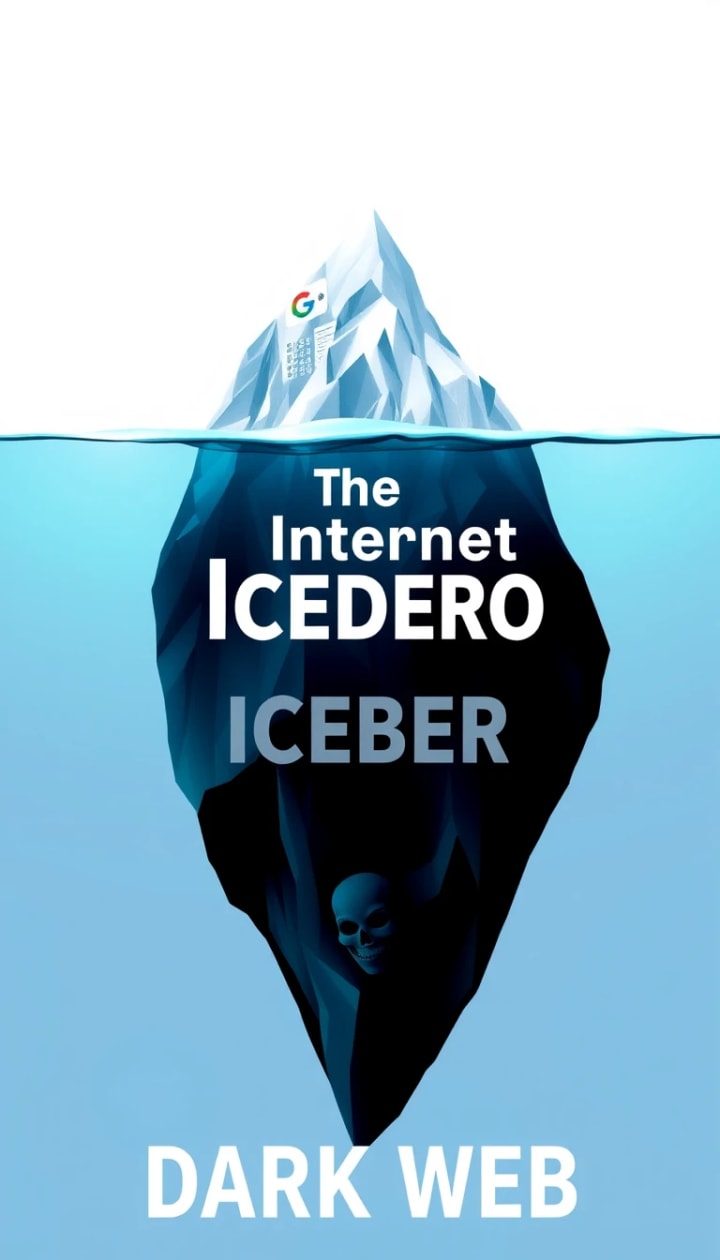
The Surface Web is the portion of the internet that is indexed by traditional search engines such as Google, Bing, and Yahoo. This is the layer most internet users interact with regularly.
Characteristics of the Surface Web:
Publicly accessible content
Indexed by search engines
Includes news sites, blogs, social media, e-commerce, and Wikipedia
Estimated to constitute only about 4-10% of the total internet
Real-World Examples:
Facebook, Twitter, Instagram
Amazon and eBay
Online news outlets like CNN and BBC

The Surface Web is the most visible and safest part of the internet but is just the tip of the iceberg.
What is the Deep Web?
The Deep Web refers to parts of the internet that are not indexed by search engines and are hidden behind logins or paywalls. Contrary to common misconceptions, the Deep Web is not inherently dangerous.
Characteristics of the Deep Web:
Requires credentials or special permissions to access
Includes academic databases, financial records, medical data, and private forums
Legal and widely used for legitimate purposes
Real-World Examples:
Online banking platforms
University library systems
Government databases
The Deep Web is significantly larger than the Surface Web, making up an estimated 90% of the total internet. It plays a crucial role in protecting privacy and maintaining confidentiality.
The Dark Web: Dangers and Access
The Dark Web is a small portion of the Deep Web that has been intentionally hidden and is accessible only through specialized software like the Tor browser.
Characteristics of the Dark Web:
Not indexed by traditional search engines
Requires anonymizing software (e.g., Tor) for access
Often associated with illegal activities, but not exclusively
Dark Web Dangers:
Drug trafficking
Weapons sales
Hacking services
Human trafficking
Counterfeit currency and documents
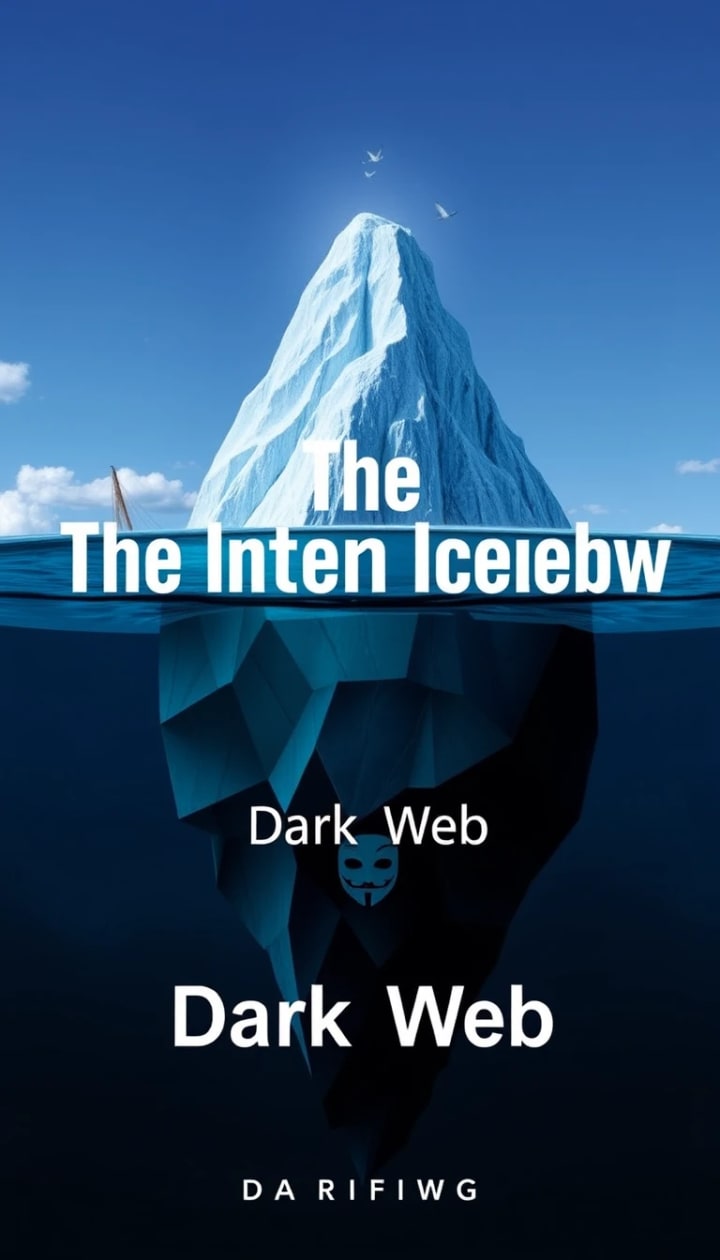
However, it's also a haven for activists, whistleblowers, and journalists operating in oppressive regimes.
How to Access the Dark Web:
Download and install the Tor browser
Use .onion links with caution
Always use a VPN to protect your identity
Note: Accessing the Dark Web can be risky and should only be done with proper precautions and ethical intentions.
Surface vs Deep vs Dark Web
Understanding the distinctions among these layers is essential for internet literacy and security awareness.
Feature
Surface Web
Deep Web
Dark Web
Accessibility
Open to all
Restricted
Requires Tor
Indexing
Search engines
Not indexed
Not indexed
Legality
Legal
Legal
Often illegal
Purpose
Public info
Confidential info
Anonymity, hidden activity
Size
~4-10%
~90%
<1%
Security and Privacy Considerations
Each layer of the internet has its own security and privacy implications:
Surface Web:
Vulnerable to phishing and tracking cookies
Use secure websites (HTTPS)
Employ ad blockers and privacy extensions
Deep Web:
May require strong passwords and multi-factor authentication
Be cautious when accessing sensitive information
Dark Web:
High risk of encountering malware and scams
Always use a VPN and anonymous browsing tools
Never share personal data
Internal Links (Examples):
How VPNs Protect Your Online Privacy
Cybersecurity Best Practices for Students
Top 10 Tips for Safe Browsing
Conclusion

The three layers of the internet offer a fascinating glimpse into the structure of our digital world. While the Surface Web is familiar and accessible, the Deep Web holds the vast majority of online information, hidden behind digital doors. The Dark Web, though often viewed with suspicion, is a realm of both danger and refuge. By understanding these layers, users can navigate the internet more safely, responsibly, and knowledgeably.
FAQs About the Layers of the Internet
What are the three layers of the internet?
The three layers are the Surface Web, Deep Web, and Dark Web.
Is the Deep Web illegal?
No, the Deep Web is legal and includes private, password-protected information like banking data and medical records.
How do I access the Dark Web safely?
Use the Tor browser with a VPN, never download suspicious files, and avoid illegal content.
Why is the Surface Web so small?
Because most of the internet consists of private or restricted content not indexed by search engines.
Can I get in trouble for visiting the Dark Web?
Visiting is not illegal in most countries, but engaging in or supporting illegal activity is.
About the Creator
Shamshair Khan Hasan Zai
I share content on health, business, travel, motivation, and simple ways to earn money—focused on hope growth, and practical advice to help you live a better, more successful life.
Keep reading
More stories from Shamshair Khan Hasan Zai and writers in 01 and other communities.
"Lessons from My First Investment Experience"
Introduction I still remember the excitement that ran through me as I clicked "Buy" on my very first investment. My palms were sweaty, my heart raced, and I felt like I was taking a giant leap into the world of finance. This wasn’t just about money—it was about stepping into adulthood, independence, and opportunity.
By Shamshair Khan Hasan Zai9 months ago in Trader




Comments (1)
The Surface Web is what we're all familiar with, like Facebook and news sites. But it's a small part of the whole. The Deep Web, with its logins and paywalls, holds a lot of important stuff like medical data. It's good for privacy. Now, the Dark Web sounds sketchy. What kind of illegal activities are really going on there that make it so dangerous? And how do people even access it without getting caught?