
The East New Britain - Tolai Culture
Learn about the traditional dances from the Tolai people and other provinces in Papua New Guinea
---
Papua New Guinea’s Tolai People and Diverse Cultural Heritage
Papua New Guinea (PNG) is home to an array of unique cultural groups, each with distinct languages, customs, and artistic traditions. Among these groups, the Tolai people are well-known inhabitants of East New Britain Province, particularly in the Gazelle Peninsula around Kokopo and Rabaul. With rich traditions in music, dance, and community rituals, the Tolai culture exemplifies the diversity and vibrancy of PNG’s heritage. Alongside the Tolai customs, other provinces in PNG also bring their own unique dances and customs to the cultural mosaic.
The Tolai People and Language
The Tolai people speak Kuanua, one of the indigenous languages of East New Britain. Known for their strong sense of community, the Tolai historically practiced a traditional system of wealth-sharing and mutual support. This system, based around shell money called tabu, continues to play an important role in their social structure, as it is used in ceremonies, marriages, and various traditional transactions.
Tolai Traditional Dance and Music
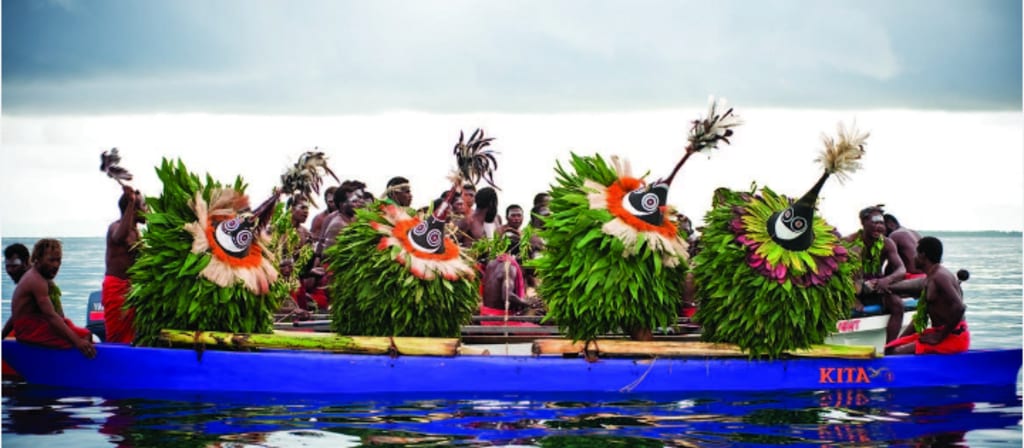
Tolai culture is deeply connected to their artistic traditions, particularly dance and music. The Tolai are known for their masked dances, called tubuan and dukduk, which represent spiritual beings. These dances are performed during initiation rituals, funerals, and celebrations and hold strong symbolic significance within the community.
The tubuan dance features male dancers wearing distinctive conical masks that cover their heads and chests, with designs painted to symbolize various ancestral spirits. The dancers’ movements are slow, controlled, and respectful, often accompanied by drumming and singing that emphasize the solemnity of the event. Dukduk dances, on the other hand, involve masked figures with leaf-covered bodies that embody powerful spirits believed to offer guidance and protection. These dances connect the Tolai people to their ancestral roots and cultural identity.
Another key aspect of Tolai culture is the garamut, a large slit drum carved from logs that produces resonant, rhythmic beats used to accompany rituals and announce important community events. The sounds of the garamut can be heard from far away, helping to gather people together and signal the start of ceremonies.
Customary Practices Among the Tolai
Tolai customs reflect a deep respect for community bonds and relationships. One example is the singsing, a gathering where traditional music, dance, and feasting take place to honor life events or mark communal agreements. Singsings often feature performers dressed in traditional attire, with vibrant facial paint, headdresses, and feathers that reflect the diversity of Papua New Guinea’s traditional wear.
Marriage customs are also an integral part of Tolai society, often requiring negotiations between families and the exchange of tabu to formalize the union. The community gathers to witness and celebrate the union, reinforcing the importance of familial alliances within the social structure.
Traditional Dances from Other Papua New Guinea Provinces
Each of Papua New Guinea’s 22 provinces has unique dance traditions that celebrate history, land, and ancestral ties. These dances serve as a crucial way to preserve indigenous cultures and are often performed during cultural festivals or national celebrations. Here are some notable examples:
1. The Asaro Mudmen Dance (Eastern Highlands): The Asaro Mudmen of the Eastern Highlands Province perform a distinctive dance while wearing mud masks and white clay paint to appear ghostly and intimidating. Legend has it that the Asaro warriors used this appearance to frighten their enemies. The dance involves slow, deliberate movements, accompanied by haunting music, and showcases the artistic skill of the Asaro people in mask-making.
2. The Baining Fire Dance (East New Britain): Another famous dance from East New Britain, the Baining fire dance is performed by the Baining people and involves dancers wearing elaborate masks made from bark cloth. The dance is performed at night around a fire, with dancers leaping and moving through the flames, creating a dramatic and awe-inspiring performance. This dance is typically performed to celebrate harvests or rites of passage and is one of the most visually striking dances in PNG.
3. The Huli Wigmen Dance (Hela Province): The Huli people from Hela Province are renowned for their elaborate headdresses, known as “wigmen,” which they create from their own hair. The Huli Wigmen perform dances adorned with these wigs, vibrant face paint, and body decorations. Their dances are expressive and accompanied by rhythmic chants, meant to honor their warrior heritage and demonstrate their pride and strength.
4. The Manus Province Canoe Dance: In Manus Province, people perform the canoe dance to celebrate their maritime culture and connection to the ocean. Dancers simulate rowing motions to mimic their traditional seafaring lifestyle and bring awareness to the significance of the sea in their livelihoods.
The Significance of Cultural Preservation in Papua New Guinea
Papua New Guinea’s cultural diversity is one of the richest in the world, with over 800 languages spoken and countless tribal practices preserved through oral traditions. The traditional dances and customs, such as those practiced by the Tolai and other indigenous groups, play a crucial role in strengthening social bonds, maintaining historical knowledge, and imparting respect for ancestral traditions to younger generations. These expressions of culture are celebrated during major events like the National Mask Festival and the Goroka Show, which gather tribes from across the country to share their heritage.
The Tolai people, along with other cultural groups in PNG, continue to protect and share their traditions, allowing their unique identities to flourish amid modern influences. By celebrating these rich cultural heritages, Papua New Guinea preserves its legacy for future generations and fosters unity within diversity.
About the Creator
Grace Guise
i love creating content, i love writing and passionate about change, the world, the earth, the people and many things about life that is just magnificent. i love being alive, i love to breath the air and natural taste of water.
Keep reading
More stories from Grace Guise and writers in 01 and other communities.
Flex Jobs
FlexJobs is an online job platform dedicated to connecting job seekers with flexible, remote, and freelance work opportunities. It was established in 2007 to help people find legitimate, high-quality jobs that fit into various lifestyles and work arrangements, whether part-time, freelance, or fully remote. This platform offers a well-curated selection of job listings across different industries, focusing on helping users find work that offers flexibility. Here’s how FlexJobs works and how job seekers can maximize their chances of finding, getting hired, and getting paid through flexible, remote opportunities.
By Grace Guiseabout a year ago in 01
Sergey Brin Becomes World’s No. 3 Richest—Overtakes Jeff Bezos, Larry Ellison After Alphabet Hits $4 Trillion
Topline Sergey Brin leapfrogged Oracle’s Larry Ellison and Amazon’s Jeff Bezos on Tuesday to become the world’s third-richest person, ranking again behind fellow Google cofounder Larry Page as parent firm Alphabet stock rallied to its latest milestone.
By Dena Falken Esq2 days ago in 01
Understanding the Cultural Importance of Handbags
Handbags have played a meaningful role in fashion and daily life for centuries. Historically, handbags were created out of necessity, designed to help people carry personal belongings such as money, tools, or documents. Over time, they evolved into carefully designed accessories that combine practicality with aesthetics. Today, handbags are widely recognized as symbols of personal style, social identity, and changing fashion values.
By charliesamuel4 days ago in 01



Comments
There are no comments for this story
Be the first to respond and start the conversation.