
Expert Guide: Installation and Disassembly of Concrete Mixer Pumps
Aimix concrete pumping solution

Introduction to Concrete Mixer Pump Operations
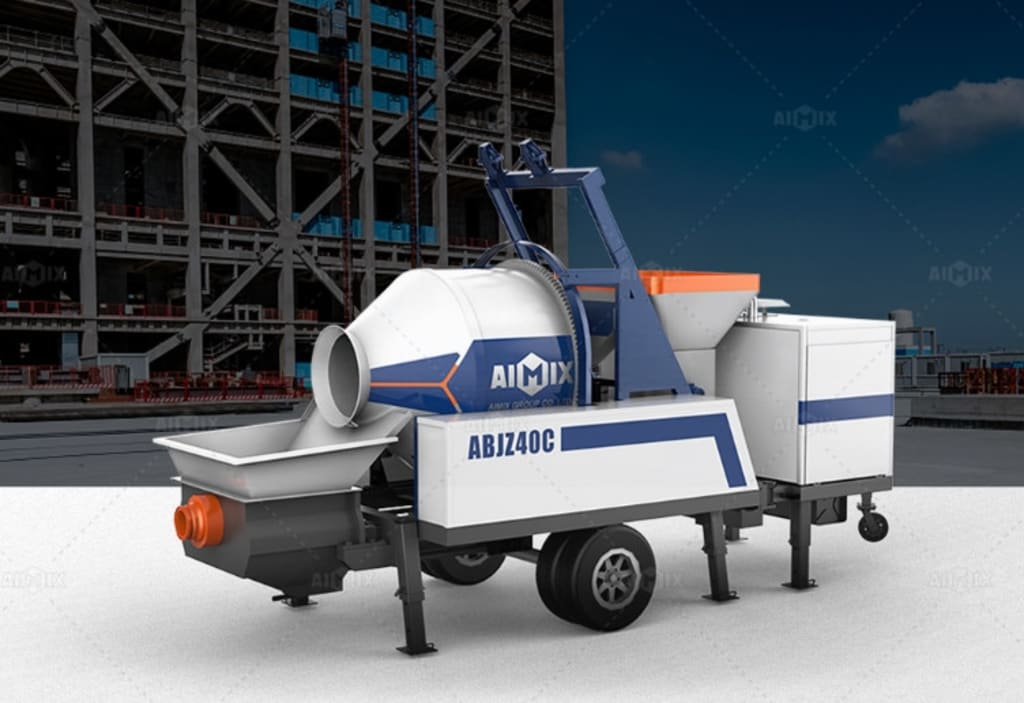
Concrete mixer pumps have revolutionized modern construction by combining mixing and pumping functions into a single efficient system. These versatile machines significantly reduce labor requirements while improving concrete placement accuracy. However, their complex mechanical nature demands proper installation and disassembly procedures to ensure optimal performance and longevity. This comprehensive guide provides construction professionals with essential techniques for handling these critical phases of equipment operation.
Pre-Installation Planning and Preparation
Site Evaluation and Preparation
Ground Assessment:
Conduct soil compaction tests to verify load-bearing capacity
Ensure level surface with maximum 3° inclination tolerance
Prepare reinforced concrete foundation (minimum 200mm thickness)
Access and Logistics:
Maintain minimum 3m clearance radius around installation area
Plan concrete truck access routes and turning radius
Verify overhead clearance for boom operation (if applicable)
Utility Requirements:
Electrical: 380V ±5% three-phase power supply
Water: Minimum 50mm diameter supply line at 3 bar pressure
Compressed air: 7 bar system for cleaning operations
Equipment Pre-Check Procedures
Structural Inspection:
Check frame welds for cracks or defects
Verify all fasteners meet torque specifications
Inspect wear plates and abrasion-resistant surfaces
System Verification:
Hydraulic pressure test at 1.5x operating pressure
Electrical continuity and insulation resistance tests
Control system functional testing
Detailed Installation Process
Positioning and Stabilization
Crane Selection Criteria:
Minimum 25% capacity margin over equipment weight
Outrigger deployment on stable surfaces
Certified rigging equipment with current inspection tags
Alignment Procedures:
Use laser level for precise positioning
Shim adjustment tolerance: ±2mm/meter
Anchor bolt torque sequence and values per manufacturer specs
Pipeline Installation Best Practices
Layering Technique:
Start from concrete pump outlet to placement area
Maintain consistent 2% upward gradient
Secure every 3 meters with vibration-dampening clamps
Connection Protocols:
Clean flange faces with solvent wipe
Apply thread sealant to male connections
Use calibrated torque wrench for final tightening
System Commissioning
Dry Run Procedures:
30-minute no-load operation
Infrared thermal imaging of electrical components
Vibration analysis of mechanical systems
Wet Testing Protocol:
Initial test with water only
Gradual concrete mixture introduction
Pressure ramp-up over 15-minute period
Disassembly Methodology
System Shutdown Sequence
Controlled Depressurization:
Reduce pumping rate gradually
Implement pressure bleed-down procedure
Lockout/tagout energy isolation
Residual Material Removal:
High-pressure water flushing (minimum 150 bar)
Mechanical scraping of hardened deposits
Chemical cleaning for stubborn buildup
Component Disconnection
Hydraulic System:
Capture and contain fluid discharge
Purge lines with inert gas
Apply protective caps to all ports
Electrical Disconnection:
Follow IEC 60364 standards
Photograph wiring configurations
Label all connections with waterproof tags
Transport Preparation Standards
Load Securing Requirements
Structural Support:
Custom-engineered shipping frames
Vibration-isolation mounts
Corrosion-inhibiting wraps
Documentation:
Complete equipment condition report
Digital imaging of critical components
Customs documentation for international shipments
Maintenance During Transition Phases
Preservation Techniques
Short-Term (Under 30 Days):
Desiccant packs in control panels
Rotating shafts manual turning weekly
Cosmetic corrosion protection
Long-Term Storage:
Climate-controlled environment
Engine fogging procedure
Hydraulic system nitrogen purging
Safety Protocols and Compliance
Personal Protective Equipment
Mandatory Gear:
ANSI-approved fall protection
Chemical-resistant gloves
Hearing protection above 85dB areas
Regulatory Compliance
OSHA Standards:
1926.602 for equipment operation
1910.147 for energy control
1926.20 for safety training
Troubleshooting Common Issues
Installation Challenges
Misalignment Symptoms:
Premature pipe wear patterns
Hydraulic pressure fluctuations
Abnormal vibration signatures
Disassembly Difficulties
Frozen Components:
Thermal expansion techniques
Penetrating oil application
Ultrasonic vibration methods
Conclusion and Professional Recommendations
Proper installation and disassembly of concrete mixer pumps requires meticulous attention to engineering principles and safety standards. By following these detailed procedures, contractors can ensure:
Optimal equipment performance (95%+ efficiency)
Extended service life (8-10 year expectancy)
Minimized downtime (under 4 hours for standard procedures)
For complex installations or specialized equipment configurations, always consult with certified pump technicians and review manufacturer-specific guidelines. Regular training updates for installation crews are recommended to maintain proficiency with evolving technologies in concrete pumping systems.
About the Creator
consrtuctionmachines
AIMIX is a customer-center-oriented heavy equipment manufacturer and supplier, devoted to production, innovation, combination, one-stop solution, etc.
https://aimixgroup.com/
Keep reading
More stories from consrtuctionmachines and writers in 01 and other communities.
How to Prevent Tilt of Small Portable Concrete Pump in Container During Transportation
Transporting construction machinery safely is a critical part of the supply chain, especially when it comes to exporting equipment like a small portable concrete pump. These compact and versatile machines are widely used in residential and small-scale commercial projects. Due to their manageable size, they are often shipped in containers for domestic or international delivery.
By consrtuctionmachines10 months ago in 01




Comments (1)
This guide on concrete mixer pump operations is spot-on. I've seen firsthand how crucial proper installation is. The pre-installation planning, like the site evaluation and equipment pre-checks, makes sense. It's important to get the ground right and ensure all systems are in working order. I wonder how you'd handle a situation where the soil compaction test shows lower load-bearing capacity than expected? Any ideas on alternative solutions? Also, the detailed installation process seems thorough. But what if there are tight space constraints during crane positioning? How would you adapt the alignment procedures then?