
How to Prevent Tilt of Small Portable Concrete Pump in Container During Transportation
Aimix Concrete Pumping Solution

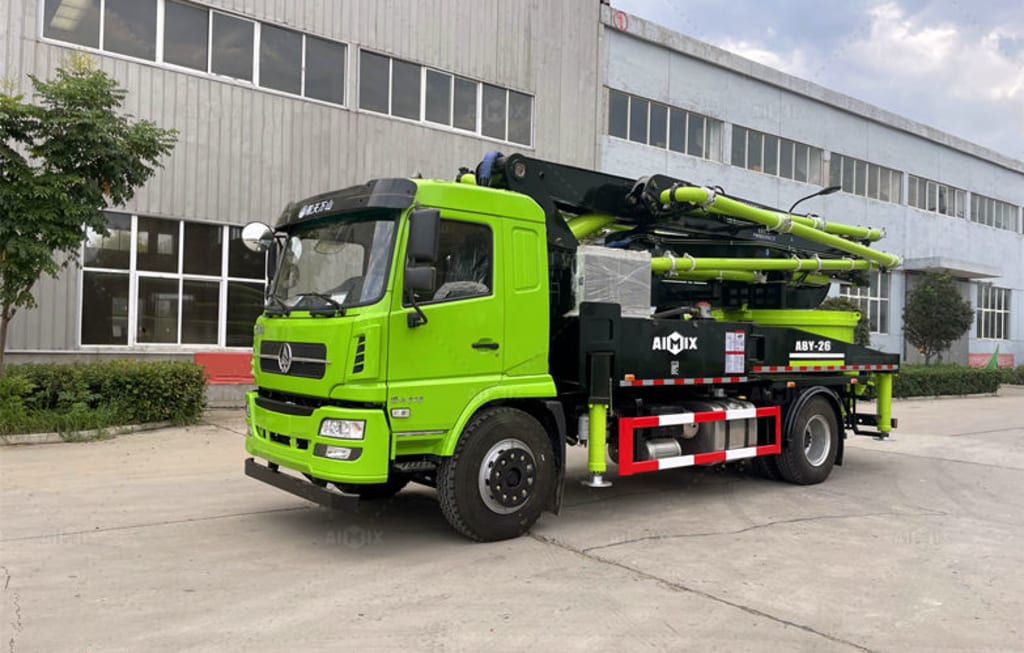
Transporting construction machinery safely is a critical part of the supply chain, especially when it comes to exporting equipment like a small portable concrete pump. These compact and versatile machines are widely used in residential and small-scale commercial projects. Due to their manageable size, they are often shipped in containers for domestic or international delivery.
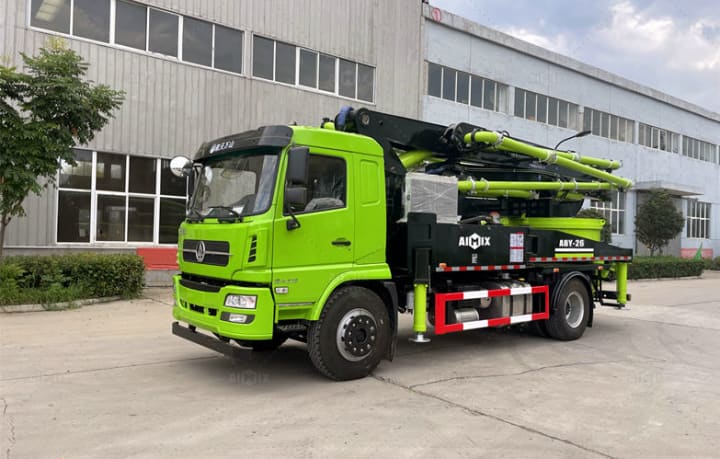
However, the relatively light weight and narrow base of a small portable concrete pump make it susceptible to tilting or shifting inside the container if not properly secured. A tilted or toppled machine can suffer structural damage, cause delays, and even create hazards during unloading. That’s why understanding how to prevent tilt during container transportation is essential for manufacturers, logistics providers, and end-users alike.
This article outlines practical steps and expert recommendations on how to safely secure a small portable concrete pump inside a shipping container and ensure it arrives at its destination intact.
Understand the Dimensions and Center of Gravity
The first step in preventing tilt during transport is to fully understand the dimensions, weight distribution, and center of gravity of your small portable concrete pump. This includes:
Machine weight (dry and fully loaded)
Length, width, and height
Axle placement (if it’s trailer-mounted)
Center of gravity (vertical and horizontal)
Knowing where the weight is concentrated helps you determine where to apply straps, chocks, and support beams for maximum stability. Since the pump is portable and often lighter than larger stationary pumps, it is more prone to lateral movement during sudden stops, turns, or vessel rolling.
Choose the Right Container Size
A standard 20-foot or 40-foot container is usually sufficient to house a portable small concrete pump, but the choice should be based on the pump's overall size and whether other items (e.g., hoses, accessories) are being shipped together.
20-foot container: Better for tighter packing and less empty space, reducing the chance of movement.
40-foot container: May be necessary if the pump has extended framework or if other equipment is included, but more internal space requires better securing.
Avoid leaving too much empty space around the pump inside the container, as it increases the risk of sliding or tilting.
Use a Solid Base and Anti-Slip Flooring
Place the small portable concrete pump on a stable, level surface. If the pump has wheels, either remove them or use wheel chocks and wedges to lock them in place. Anti-slip rubber mats or wooden platforms can also help absorb shocks and prevent movement across the container floor.
Ensure that the container floor is clean and dry before loading the machine to prevent slippage.
Apply Correct Tie-Down Techniques
Securing the pump with high-tension straps is one of the most effective methods to prevent tilting. Here’s how to do it right:
Use heavy-duty ratchet straps rated for loads greater than the weight of the pump.
Anchor the straps to the lashing rings on the container’s floor or walls.
Cross-tie the straps at 45-degree angles from all sides to counteract forward, backward, and side forces.
Secure all four corners of the pump, not just the front and back.
For best results, use a combination of horizontal and vertical tie-downs to restrict both sliding and tipping.
Block and Brace for Extra Security
In addition to tie-downs, wooden blocks and braces are commonly used in container shipping to prevent tilt:
Build custom wooden cradles to match the pump’s base shape.
Use wooden beams or steel bars to fill any large gaps between the pump and the container wall.
Nail or bolt blocking systems directly to the container floor (where allowed) to add friction and limit sway.
If the container will travel through rough seas or long distances with frequent handling, these extra precautions become even more important.
Lower the Pump’s Profile
Whenever possible, reduce the height of the small portable concrete pump before loading by:
Folding any adjustable parts like hoses, arms, or pump frames
Removing external attachments that can be reassembled later
Collapsing towing handles or support legs
Lowering the center of gravity helps reduce the chance of the pump tipping over during sharp container movements or stacking stress during sea freight.
Balance Load Distribution
Improper weight distribution can create an imbalance in the container, making it more likely for the pump to tilt or shift during transportation. Ensure the small portable concrete pump is centered along both the length and width of the container and that the load is evenly distributed with:
No excessive front-loading (which can cause tipping during deceleration)
No rear-heavy positioning (which affects stability during lifting)
Even spacing from sidewalls to avoid diagonal sway
If shipping additional equipment with the pump, arrange it to counterbalance and support the overall stability of the load.
Monitor Humidity and Corrosion Risks
Concrete pumps contain hydraulic components and motors that can be damaged by condensation or humidity during transport. A moisture-damaged pump may not tilt physically but could experience internal corrosion or failure upon arrival. To prevent this:
Use desiccants or dehumidifier bags inside the container
Seal sensitive parts of the small portable concrete pump with plastic wrap or protective coatings
Opt for ventilated containers if humidity is a concern and time in transit is long
This step won’t stop tilting, but it ensures that a well-secured pump remains in top condition.
Perform Final Inspection and Tilt Test
Before sealing the container, conduct a final inspection:
Push the pump gently in multiple directions to test for any wobble
Check all straps and braces for tightness
Reassess any empty spaces or unsecured items
Take pictures for insurance and quality documentation
If the pump moves more than a few centimeters under reasonable force, it’s better to re-secure it than to risk damage or claims later.
Work With Experienced Freight Partners
Finally, don’t underestimate the value of working with freight forwarders or logistics providers experienced in handling construction machinery. Share the details of your small portable concrete pump in advance so they can prepare custom blocking materials and know how to handle it during loading and unloading.
Logistics partners with experience in this niche will know how to anticipate risks such as tilting, humidity, stacking, and customs inspection handling.
Preventing the tilt of a small portable concrete pump inside a container requires careful planning, professional packing techniques, and reliable materials. From choosing the right container size to securing the load with straps and braces, every step plays a role in protecting your investment.
Properly transported machinery arrives not only intact but also ready for immediate deployment, saving your business time, money, and customer satisfaction. Whether you're a supplier, logistics provider, or end-user, following these practices will ensure a safe and efficient delivery of your concrete pump anywhere in the world.
About the Creator
consrtuctionmachines
AIMIX is a customer-center-oriented heavy equipment manufacturer and supplier, devoted to production, innovation, combination, one-stop solution, etc.
https://aimixgroup.com/
Keep reading
More stories from consrtuctionmachines and writers in 01 and other communities.
Concrete Mixer Maintenance Tips for Nigerian Construction Firms
Concrete mixers are essential in Nigeria's construction industry. Proper maintenance ensures their longevity and optimal performance. Understanding these maintenance tips can save time and money for construction firms.
By consrtuctionmachines8 months ago in 01
How to Choose the Best Mobile App Development Company in Canada 2026
Choosing the right app development partner in 2026 isn’t just a procurement decision—it’s a strategic move that can define whether your digital product scales or stalls. The Canadian tech ecosystem has matured rapidly, with agencies offering everything from rapid MVP builds to enterprise-grade platforms powered by AI and cloud-native architectures.
By alan michael2 days ago in 01
Replica Designer Handbags and Luxury Designer Purses: A Cultural Perspective
Handbags are among the most consistently used personal items in modern life. While often discussed in relation to fashion, their significance extends far beyond visual appeal or brand recognition. Handbags function as everyday tools, supporting routine activities such as work, travel, and social engagement. Within this broader context, conversations around Replica Designer Handbags and Luxury Designer Purses reflect changing attitudes toward access, value, and practicality rather than simple questions of trend or status.
By charliesamuel7 days ago in 01



Comments
There are no comments for this story
Be the first to respond and start the conversation.