
EU Sanctions Russian GRU Hackers for Cyberattacks Against Estonia
The European Union has taken decisive action against cyber threats by sanctioning three Russian military intelligence officers from Unit 29155 of the GRU.

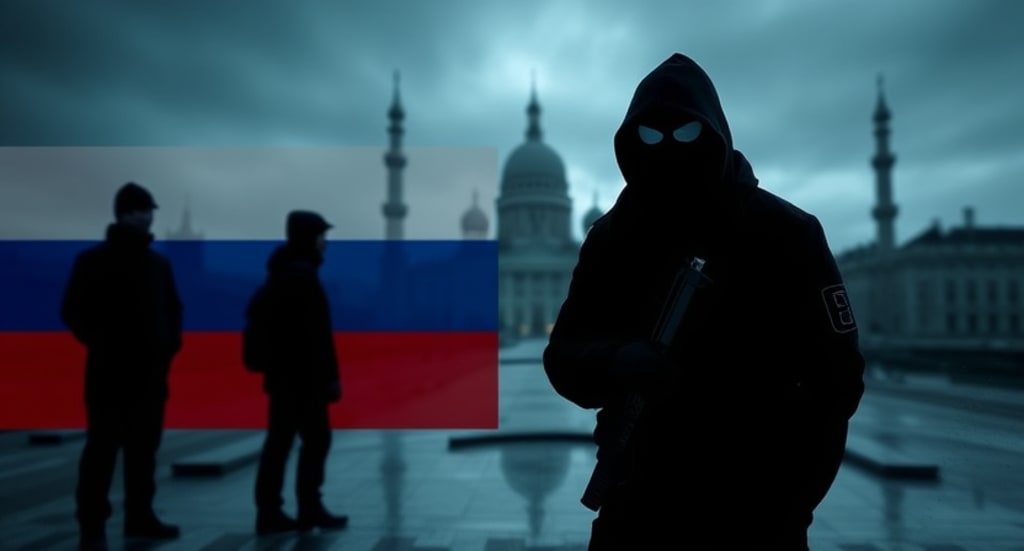
The European Union has taken decisive action against cyber threats by sanctioning three Russian military intelligence officers from Unit 29155 of the GRU. These individuals were implicated in a series of cyberattacks targeting Estonian government agencies in 2020. This move highlights the EU’s commitment to addressing and deterring cyber aggression, particularly from state-sponsored actors.
The Cyberattacks Against Estonia
In a statement issued by the Council of the EU, the sanctioned individuals Nikolay Korchagin, Vitaly Shevchenko, and Yuriy Denisov were accused of conducting cyberattacks that breached multiple Estonian government ministries. The ministries targeted included Economic Affairs and Communications, Social Affairs, and Foreign Affairs.
These breaches resulted in the unauthorized access and theft of thousands of classified and sensitive documents. The stolen data reportedly included business secrets, health records, and other critical information, compromising the security and functionality of the affected institutions.
The Council emphasized the gravity of the situation, stating, “These cyberattacks granted attackers unauthorized access to classified information and sensitive data stored within several government ministries, leading to the theft of thousands of confidential documents.”
Unit 29155: A Notorious Threat
Unit 29155, a shadowy division of Russia’s GRU, has been linked to numerous cyber and physical attacks across Europe. Also tracked under aliases like Cadet Blizzard and Ember Bear, this group has built a notorious reputation for its cyber sabotage campaigns.
Beyond the Estonian attacks, Unit 29155 has orchestrated destabilization efforts in Europe, including cyberattacks against other EU member states and partners, notably Ukraine. These operations often involve a combination of cyber espionage, sabotage, and disinformation campaigns.
The group has shifted its focus in recent years. Since early 2022, it has targeted organizations aiding Ukraine amid the ongoing conflict. Cybersecurity experts report that Unit 29155 employs advanced hacking tools, including backdoors, information stealers, and fake ransomware. These tools are typically delivered through phishing campaigns designed to deceive and compromise their targets.
Global Reach and Impact
Unit 29155’s activities extend far beyond Estonia. In September 2024, the United States and its allies linked the group to cyberattacks targeting critical infrastructure worldwide. This included attempts to disrupt essential services and undermine the operations of NATO member states and other nations across North America, Europe, Latin America, and Central Asia.
Their methods often include highly sophisticated tactics aimed at compromising networks, stealing sensitive data, and causing widespread disruption. These attacks are not limited to digital warfare; the group has also been implicated in physical sabotage efforts, assassinations, and bombings designed to destabilize regions and weaken adversaries.
EU Sanctions and Global Condemnation
The EU’s decision to sanction these GRU officers follows previous measures targeting Unit 29155. In December 2024, the unit was sanctioned for its involvement in various destabilization activities, including assassinations and cyberattacks across Europe.
The sanctions aim to curb the group’s ability to operate freely by freezing assets, restricting travel, and limiting their access to financial systems. The EU’s actions send a clear message that state-sponsored cyber aggression will not be tolerated.
U.S. Response and Rewards for Information
The United States has also taken a strong stance against Unit 29155. The U.S. State Department announced a reward of up to $10 million for information on key members of the group, including Vladislav Borovkov, Denis Igorevich Denisenko, Yuriy Denisov, Dmitry Yuryevich Goloshubov, and Nikolay Aleksandrovich Korchagin.
This reward program underscores the global threat posed by Unit 29155 and the international community’s determination to hold its members accountable. By incentivizing whistleblowers and informants, the U.S. aims to disrupt the unit’s operations and gather intelligence that could lead to further sanctions or prosecutions.
Broader Implications for Cybersecurity
The sanctions against Unit 29155 highlight the growing challenges nations face in combating state-sponsored cyberattacks. As cyber threats become more sophisticated, the need for robust cybersecurity measures and international cooperation becomes increasingly urgent.
The GRU’s activities serve as a stark reminder of the risks associated with inadequate cybersecurity infrastructure. Governments and organizations must remain vigilant, investing in advanced security systems and fostering collaboration to mitigate the impact of cyber threats.
The targeting of Estonia — a country renowned for its digital resilience and e-governance initiatives — demonstrates that even the most prepared nations are vulnerable to determined adversaries. This underscores the importance of continuous improvement in cybersecurity defenses and the sharing of threat intelligence among nations.
Conclusion
The EU’s sanctions against Russian GRU hackers mark a significant step in addressing state-sponsored cyber aggression. By holding Unit 29155 accountable for its actions, the international community sends a strong message that cyberattacks on sovereign nations will have consequences.
However, the fight against cyber threats is far from over. As Unit 29155 and similar groups continue to evolve their tactics, global efforts to enhance cybersecurity, strengthen international collaboration, and deter malicious actors remain critical.
With sanctions, rewards for information, and increased awareness, nations can work together to combat the growing menace of state-sponsored cyberattacks, ensuring a safer digital future for all.
About the Creator
WIRE TOR - Ethical Hacking Services
WIRE TOR is a Cyber Intelligence Company that Provides Pentest & Cybersecurity News About IT, Web, Mobile (iOS, Android), API, Cloud, IoT, Network, Application, System, Red teaming, Social Engineering, Wireless, And Source Code.
Keep reading
More stories from WIRE TOR - Ethical Hacking Services and writers in 01 and other communities.
Hackers Steal $85 Million from Phemex Crypto Exchange
WIRE TOR - The EthicaOn January 23, 2025, Phemex, a prominent cryptocurrency exchange, fell victim to a sophisticated cyberattack that resulted in the theft of over $85 million worth of cryptocurrency. The breach has raised alarms across the cryptocurrency industry, which continues to grapple with security vulnerabilities despite advancements in blockchain technology.
By WIRE TOR - Ethical Hacking Servicesabout a year ago in 01
How Can I Hack an Instagram Account? Real Techniques Used by Hackers in 2026
The question "How can I hack an Instagram account?" is searched thousands of times daily. While many look for quick shortcuts or paranoia-driven spying tools, the reality of Instagram hacking is far more sophisticated—and dangerous. In 2026, cybercriminals are not relying on magic links; they are exploiting technical vulnerabilities, advanced social engineering, and information-stealing malware.
By Alexander Hoffmann6 days ago in 01
"Scream 7" (2026): Running out of Fresh Screams
This is the seventh time we’ve had a Ghostface crisis. Scream 7 is the latest edition of the Scream franchise. Sydney Prescott and her family are under attack by another anonymous killer dressed in a Ghostface costume. While having issues with her daughter, Tatum, they run from the bloody murders, trying to determine who is behind it all.
By Marielle Sabbag6 days ago in Horror



Comments (1)
Good for sanctions! Great work! Good job!