
Ethics in Data Science: Balancing Innovation with Privacy in a Data-Driven World
This blog explains Ethics in Data Science
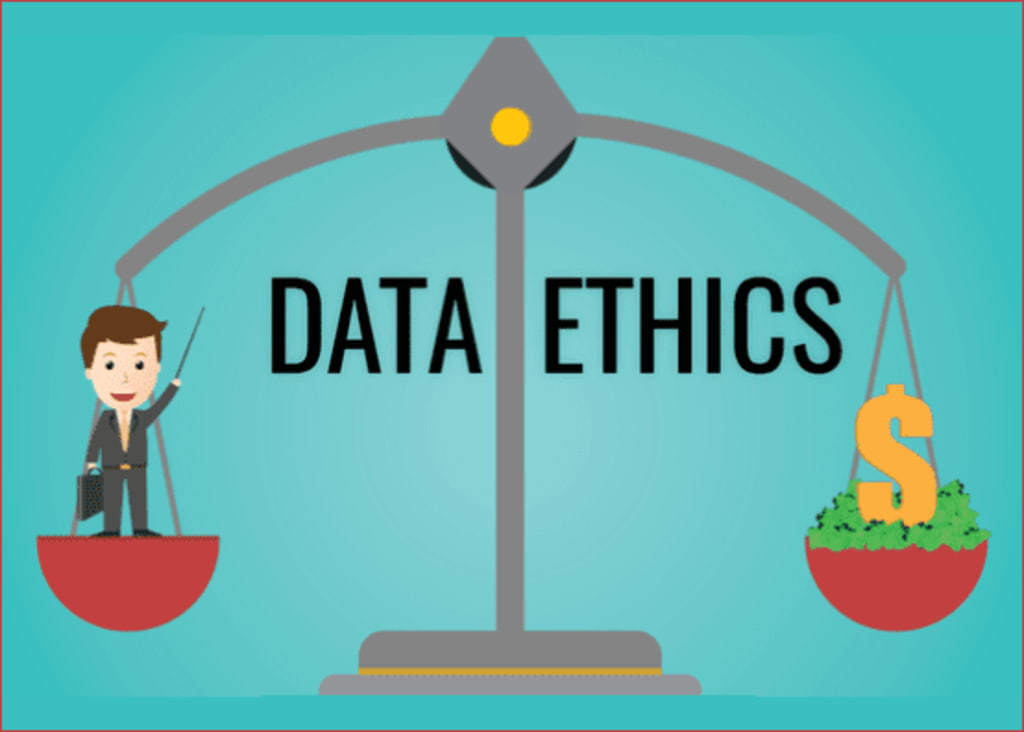
Balancing innovation and privacy within a data-driven world poses a multifaceted problem for organizations and data scientists. At the dawn of the era of a data-driven world and the explosion in the demand for data insight also comes an increase in ethical responsibility in the manner in which such data is to be handled. For a data science course, the ethical questions of working with data are just as important to master as the technical ones. The use of data to drive innovation needs to strike a balance in the protection of individual privacy. These are exactly some of the points that this blog discusses.
The Rise of Data Science: A Double-Edged Sword
Data science has revolutionized industries in the contemporary world and fostered unmatched opportunities to enhance decision-making processes, optimize conditions, and predict upcoming trends. Data science is driving innovation in every business aspect: from customized marketing to predictive health systems. With great power, however, comes great responsibility. Because of the wide applications of data, both in regard to personal data and more generally, questions related to privacy, consent, limitations, and its potential misuse against individuals have been highlighted strongly.
Ethical Dilemmas in Data Science
1. Privacy vs. Personalization: One of the most widely addressed ethical dilemmas within data science lies in setting the trade-off between the need for personalization and the right to privacy. For instance, the recommendation algorithms driving the personalized content on social media platforms are completely based on user data. It enhances user experience but seriously infringes upon personal privacy with the extent of data collection in doing so.
2. Informed Consent: Informed consent may just be perhaps the most cardinal rule in ethical data science. People need to be made aware of how their data is going to be used before they decide to share it. In most cases, though, consent forms are jargon and labyrinthine, thereby making it quite rare that a user will understand what he is getting into. Data scientists have a role to play here: not just taking consent but making sure it is informed and voluntary.
3. Data Bias and Fairness: The bias in data collection and analysis can lead to unfairness in results, specifically when susceptible domains like hiring, lending, or even law enforcement have algorithms applied. So, fairness should be a continuous process: it does mean keeping an eye out for the identification and mitigation of biases that either exist in the data themselves or in the models.
4. Transparency and Accountability: Transparency can endear trust to data-driven systems. Data scientists must show transparency in the methods they apply, the data they collect, and the purposes of its use. Furthermore, other accountability mechanisms should be defined and subsequently implemented to address any unethical breaches that could come about.
Reconciling Innovation with Privacy
A multidimensional approach may balance innovation and privacy:
- Adoption of Ethical Frameworks: Organizations should adopt ethical frameworks that drive data collection, processing, and analysis. These ethical frameworks should ideally be based on principles of respect for people's privacy, fairness, and transparency.
- Data Minimization: Collecting only the data needed to accomplish a certain task or purpose. This reduces the possibility of privacy invasion while allowing innovation.
- Anonymization and Encryption: The application of encryption techniques to the data provides anonymization of individual identities at the same time that this data is made available for analysis. However, by knowing the limitations of these techniques, the data scientist could apply them properly.
- Continual Education and Awareness: In the quest for a data science course, ethical education itself should be a part of it. Data scientists must become aware of ethical implications to make decisions with innovation at par with privacy.
The Role of Regulation
Regulatory frameworks, such as the European Union's GDPR, have set important precedents in data privacy. These regulations ensure strict control over data collection, storage, and utilization to protect the rights of individuals. Data scientists must be alert to such regulations and must conduct their practice within legally bounding requirements.
Conclusion: The Future of Ethical Data Science
The ethical challenges posed by data science are going to be continuously on the move with the field. There will need to be a very conscious effort not to let innovation come at the expense of privacy—a constant challenge that pits the values and principles of ethics against ever-changing technological potentials. These concerns are extremely significant for any students who wish to dedicate themselves to a data science course, in order to construct an appropriate career for the future that will target not only innovation but also the respect and care of individuals' privacy. The focus on ethics in data science will help prioritize making a data-driven world that benefits all yet keeps the rights of the individual protected.
About the Creator
Fizza Jatniwala
Fizza Jatniwala, an MSC-IT postgraduate, serves as a dynamic Digital Marketing Executive at the prestigious Boston Institute of Analytics.
Reader insights
Nice work
Very well written. Keep up the good work!
Top insights
Excellent storytelling
Original narrative & well developed characters
Expert insights and opinions
Arguments were carefully researched and presented
Eye opening
Niche topic & fresh perspectives
Heartfelt and relatable
The story invoked strong personal emotions
On-point and relevant
Writing reflected the title & theme
Keep reading
More stories from Fizza Jatniwala and writers in 01 and other communities.
The Role of Content Marketing in Building Brand Authority A Digital Marketing Class
Within the competitive digital landscape of the modern world, businesses looking to stand out must focus on building brand authority. Content marketing is a very effective means to achieve this aim. Often, one would hear in any digital marketing course that content marketing helps to build credibility and trust with your audience. So how does one go about building brand authority through content marketing, and why should this be such a key focus within your digital marketing strategy?.
By Fizza Jatniwala2 years ago in 01
From $5.9B to $19B: Why Data Is Powering the Rise of Payer Analytics in Healthcare
Healthcare systems worldwide generate enormous volumes of data every day—from insurance claims and billing records to patient demographics and treatment histories. As healthcare spending increases and reimbursement models shift toward value-based care, insurers and health plans must analyze this data effectively to remain sustainable. This is where payer analytics in healthcare is becoming a crucial technology foundation.
By Steve Waugh3 days ago in 01



Comments (1)
I really love your content and how it's crafted , I love it and happily subscribed , you can check out my content and subscribe to me also , thanks for this beautiful one