
EPR Certification & Registration: Ensuring Compliance for Sustainable Business Practices
A Complete Guide to EPR Authorization, and Waste Management Responsibility

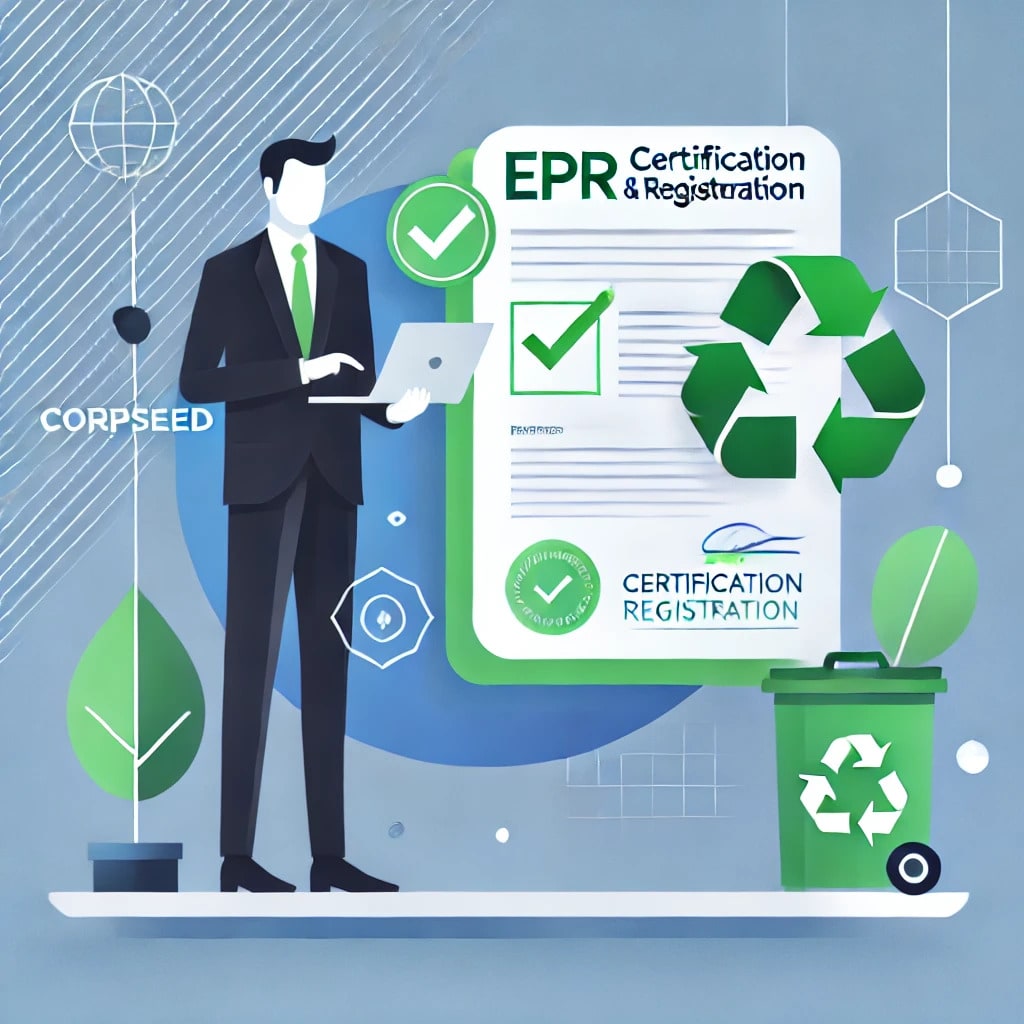
With the growing concern over environmental sustainability, businesses handling electronic, plastic, or battery waste must comply with Extended Producer Responsibility (EPR) authorization. This regulatory framework ensures that manufacturers, importers, and brand owners take responsibility for waste collection, recycling, and proper disposal. Understanding EPR certification and EPR registration is crucial for businesses striving for compliance and sustainability. It also helps in aligning with global sustainability goals and improving long-term operational efficiency.
The Importance of EPR in Today’s Business Landscape
The rise in industrial waste has prompted the Indian government to enforce EPR guidelines under various environmental laws. EPR authorization is not just a legal requirement; it plays a significant role in:
1. Reducing environmental pollution
2. Promoting circular economy practices
3. Encouraging sustainable product design
4. Enhancing corporate social responsibility
5. Ensuring companies meet their extended responsibilities in waste disposal
What Does EPR Authorization Mean for Businesses?
EPR authorization is an official approval that mandates companies to manage their product waste responsibly. Whether you manufacture, import, or distribute regulated products, you must comply with EPR norms to avoid penalties and ensure environmental safety. Having an EPR certificate demonstrates your commitment to sustainable practices and regulatory compliance.
Who Needs EPR Certification?
If your business falls under any of the following categories, EPR registration is mandatory:
- Producers manufacturing electronic, plastic, or battery-based products
- Importers bringing regulated products into the Indian market
- Brand Owners selling their products under their registered trademarks
- E-waste Handlers involved in waste collection and processing
Key Steps to Obtain EPR Certification and EPR Registration
1. Develop a Waste Management Plan
Every applicant must draft a detailed EPR plan, outlining how they will collect, recycle, and dispose of post-consumer waste. This document is a critical part of the registration process.
2. Documentation and Compliance Check
Prepare the necessary documents, including:
- Business registration certificates (Company Incorporation, GST, PAN, etc.)
- Details of product categories subject to EPR rules
- Agreements with registered waste recycling agencies
- Annual production or import data for the past few years
- Proof of collaboration with authorized disposal facilities
3. Submit an Online Application
Apply for EPR registration through the Central Pollution Control Board (CPCB) or the State Pollution Control Board (SPCB). The online portal will guide you through the submission process. Be sure to fill out every section accurately to avoid unnecessary delays.
4. Government Review and Approval
Regulatory bodies will review your application to ensure compliance with EPR laws. If your submission meets the necessary criteria, you will receive EPR certification, allowing you to legally operate under the EPR framework.
5. Maintain Compliance and Reporting
After obtaining EPR authorization, businesses must:
- Submit annual returns on waste management activities
- Collaborate with approved recyclers to guarantee appropriate disposal.
- Maintain detailed records of waste generation and processing
- Conduct regular audits to verify compliance
- Implement strategies for improving sustainability initiatives over time
The Long-Term Benefits of EPR Compliance
Complying with EPR regulations is not just about legal adherence; it brings several advantages:
1. Improved Brand Image: Consumers prefer environmentally responsible brands.
2. Regulatory Risk Reduction: Avoid penalties and legal actions.
3. Sustainability Goals: Contribute to India’s green initiatives.
4. Cost Efficiency: Recycling and waste management reduce long-term expenses.
5. Market Competitiveness: Staying ahead with proactive compliance strategies.
Conclusion:
EPR authorization is a crucial aspect of environmental compliance for businesses dealing with regulated products. Whether you are a manufacturer, importer, or brand owner, obtaining EPR certification ensures legal operation while fostering sustainability. By embracing responsible waste management practices, businesses can contribute to a cleaner environment and enhance their corporate reputation.
Need assistance with EPR registration? Consult a professional to navigate the process efficiently and ensure full compliance with CPCB/SPCB regulations.
About the Creator
Corpseed ITES Pvt. Ltd
Corpseed is a business consulting firm specializing in regulatory compliance and environmental solutions. We provide expert assistance for EPR registration, certification, and authorization across various waste categories.
Keep reading
More stories from Corpseed ITES Pvt. Ltd and writers in 01 and other communities.
Rethinking EPR for E-Waste Management: Building Value in the Reverse Supply Chain
In the backdrop of India’s booming digital economy, a silent and growing challenge threatens the sustainability of progress e-waste. While the spotlight often remains on innovation, device launches, and consumption patterns, the real story is happening at the tail end of the product life cycle. That is where EPR for e-waste management becomes not just a regulatory requirement but a transformative force shaping the future of responsible manufacturing and sustainable business models.
By Corpseed ITES Pvt. Ltd9 months ago in 01
What You Need to Know About Cloudflare Error Code 1010
While browsing a website, you might suddenly run into Cloudflare Error 1010, which blocks your access and disrupts your activity. For businesses, this can become a serious obstacle to traffic. If you rely on automated tools—like scrapers, bots, or API clients—this error can bring your entire workflow to a standstill.
By Swiftproxy3 days ago in 01
Questions to Ask Before Hiring Professional Congress Organisers (PCOs)
Hiring the right event partner can be the difference between a well-run congress and a stressful, overcomplicated experience. Large-scale conferences, association meetings, and international congresses involve far more than venue booking and logistics. This is where Professional Congress Organisers (PCOs) play a critical role.
By Meeting Media5 days ago in 01



Comments
There are no comments for this story
Be the first to respond and start the conversation.