
Enhancing Project Timelines with Ready-Mixed Concrete Plants: Time-Saving Techniques
Streamlining Construction with Ready-Mixed Concrete: Key Time-Saving Benefits

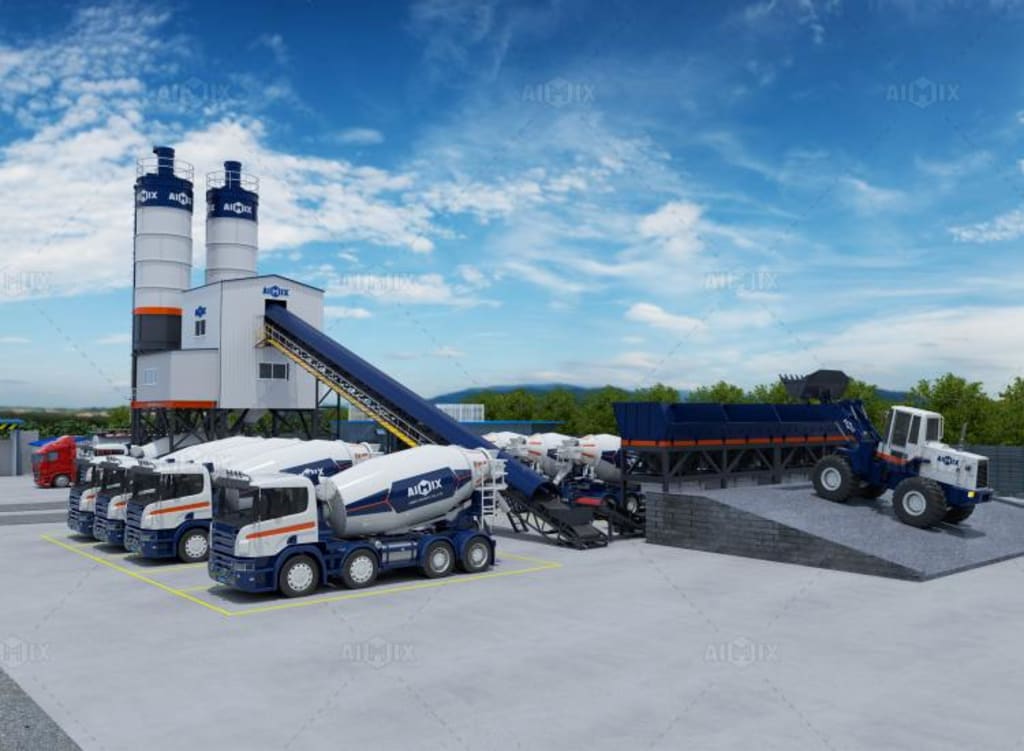
In today’s fast-paced construction industry, timely project completion is critical to meeting client expectations, minimizing costs, and staying competitive. One of the most effective ways to enhance project timelines is by leveraging ready mixed concrete plants. These facilities provide pre-mixed concrete that can be transported directly to the construction site, eliminating the need for on-site mixing. Ready mixed concrete plants not only ensure consistent quality but also streamline the overall construction process.
This article explores how ready mixed concrete plants can improve project timelines and outlines key time-saving techniques that contractors can adopt.
Efficient Production and Delivery Process
One of the primary time-saving benefits of ready mixed concrete plants is the efficiency of their production and delivery process. In traditional construction, concrete is mixed on-site, which can be time-consuming and labor-intensive. With ready-mixed concrete, the entire mixing process is completed at a plant, allowing the concrete to be delivered in a ready-to-use state.

a. Pre-Mixed and Ready for Use
The concrete produced at a ready mixed plant is prepared to the exact specifications required for the project, reducing the risk of errors during mixing. This results in consistent quality across all batches, minimizing the time spent on quality control and adjustments.
b. On-Demand Delivery
Ready mixed concrete plants can provide on-demand deliveries to construction sites. This eliminates the need to store raw materials like sand, cement, and aggregate on-site, reducing logistical challenges. Concrete can be delivered exactly when needed, allowing construction teams to focus on placing and finishing the concrete rather than preparing it.
Reducing On-Site Labor and Equipment
By utilizing ready mixed concrete, construction sites can operate with fewer workers and equipment dedicated to concrete preparation. This can significantly reduce the time and resources needed to complete projects.
a. Fewer Workers Required
Since the concrete is mixed at an off-site plant, fewer workers are needed on-site to handle the mixing process. This allows the contractor to allocate labor to other critical tasks, improving overall project efficiency.
b. Reduced Equipment Usage
On-site mixing requires a range of equipment, including mixers, storage silos, and transport vehicles for raw materials. Ready-mixed concrete eliminates the need for most of this equipment, freeing up space on the site and reducing maintenance and operation time.
Enhanced Project Coordination
Another key advantage of ready mixed concrete plants is the improvement in project coordination. Construction projects often require precise scheduling, and delays in concrete mixing or pouring can lead to significant setbacks. Ready-mixed concrete plants enhance coordination by providing a reliable and scheduled supply of concrete to the construction site.
a. Just-In-Time Deliveries
With ready mixed concrete plants, contractors can schedule deliveries at the exact time they are needed. This "just-in-time" delivery model ensures that concrete is poured without delays, minimizing downtime on-site. The ability to receive consistent, high-quality concrete reduces bottlenecks in construction activities, helping teams stay on track.
b. Adaptability to Project Changes
Construction projects often experience unforeseen changes, such as design modifications or delays in other trades. Ready mixed concrete plants can quickly adapt to these changes, adjusting the mix design or delivery schedule as needed. This flexibility ensures that project timelines are not disrupted by unexpected circumstances.
Consistent Concrete Quality
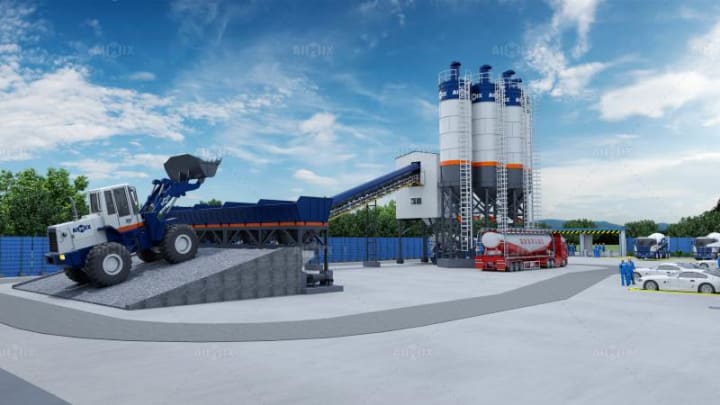
Consistent quality is critical to ensuring that concrete structures meet design and safety requirements. Ready-mixed concrete plants use automated systems to precisely measure and mix ingredients, resulting in uniform quality across batches.
a. Fewer Quality Control Delays
With on-site concrete mixing, quality control issues can arise due to improper mixing, human error, or inconsistent raw materials. These issues can delay construction as adjustments and corrections are made. Ready-mixed concrete plants eliminate many of these variables, reducing the need for rework or delays due to substandard concrete.
b. Compliance with Specifications
Ready-mixed concrete plants operate under strict quality control standards, ensuring that the concrete meets the specific performance requirements of the project. This helps contractors avoid delays caused by failing concrete tests, further accelerating the construction timeline.
Accelerated Construction Techniques
Incorporating ready-mixed concrete into construction can facilitate the use of accelerated techniques that significantly reduce project timelines.
a. Continuous Pouring
Ready-mixed concrete plants enable continuous pouring, which is especially advantageous for large projects such as bridges, high-rise buildings, and dams. Continuous pouring ensures that the concrete sets uniformly, preventing delays caused by curing interruptions or joint construction. This technique not only improves structural integrity but also speeds up project completion.
b. Precast Concrete Elements
Ready-mixed concrete plants support the use of precast concrete, where structural components are cast off-site and then transported to the construction site for assembly. Precast elements such as beams, columns, and panels are produced in controlled environments, which ensures quality while reducing on-site labor and time.
Optimizing Weather-Related Delays
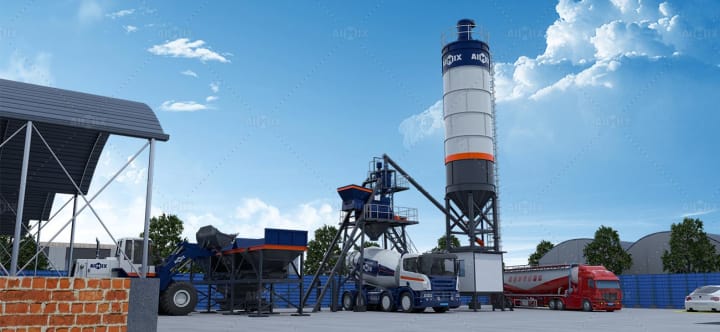
Weather conditions, such as extreme temperatures or heavy rain, can delay concrete mixing and pouring on-site. Ready-mixed concrete plants offer a solution to this challenge by producing concrete in a controlled environment, minimizing the impact of weather on construction schedules.
a. Weather-Resistant Production
Because the mixing process occurs in a protected facility, the concrete is produced in optimal conditions, regardless of external weather. This means that the risk of weather-related delays is greatly reduced, allowing the project to continue as planned.
b. Specialized Mixes for Extreme Conditions
Ready mixed concrete plants can produce specialized concrete mixes designed to perform well in extreme weather conditions, such as high-strength concrete for cold climates or quick-setting concrete for fast-paced projects. This adaptability helps keep the project on track even when facing challenging weather.
Conclusion
Ready mixed concrete plants offer a variety of time-saving techniques that can significantly enhance project timelines. By providing efficient production and delivery processes, reducing on-site labor and equipment requirements, ensuring consistent quality, and enabling accelerated construction techniques, ready-mixed concrete plants play a crucial role in keeping construction projects on schedule. Whether for large-scale infrastructure projects or smaller construction sites, leveraging ready-mixed concrete can help contractors meet deadlines, reduce costs, and improve overall project efficiency.
About the Creator
consrtuctionmachines
AIMIX is a customer-center-oriented heavy equipment manufacturer and supplier, devoted to production, innovation, combination, one-stop solution, etc.
https://aimixgroup.com/
Keep reading
More stories from consrtuctionmachines and writers in 01 and other communities.
How to Maintain the Trailer of a Trailer Concrete Pump
Trailer concrete pumps are essential machinery in the construction industry, used for efficiently transferring concrete to various locations on a construction site. These pumps are mounted on trailers, which provide the mobility necessary for reaching different areas of a site. Maintaining the trailer of a trailer concrete pump is crucial for ensuring the overall performance, safety, and longevity of the equipment. This comprehensive guide provides detailed information on how to maintain the trailer of a trailer concrete pump effectively.
By consrtuctionmachinesabout a year ago in 01
The Evolving World of Startup Funding in Canada
Canada’s startup ecosystem has matured significantly over the last decade. What once felt like a small, tightly knit community has expanded into a diverse, nationwide network of founders, investors, accelerators, and policymakers. Alongside this growth, the way startups access funding has changed—sometimes quietly, sometimes dramatically.
By Mentoria Teamabout 14 hours ago in 01
Top Enterprise Software Development Companies in 2026
The use of enterprise software has become imperative in the efforts by businesses to optimize, become more efficient, and grow in a safe digital competitive space. The adoption of cloud technology, artificial intelligence, automation, and data technologies, especially within the current digital era, means that businesses are seeking the help of skilled software partners.
By Olivia Carter7 days ago in 01



Comments
There are no comments for this story
Be the first to respond and start the conversation.