
How to Maintain the Trailer of a Trailer Concrete Pump
Aimix Trailer Concrete Pump Solution
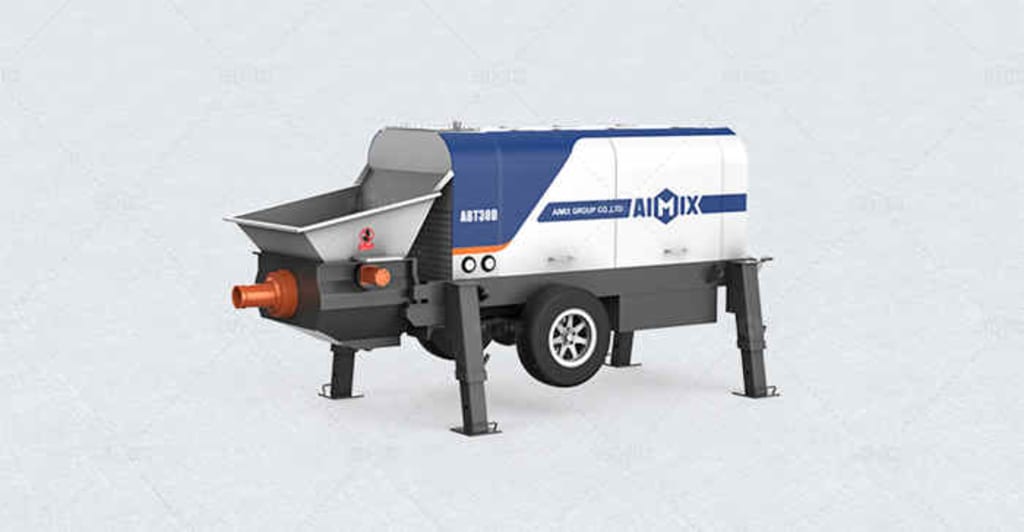
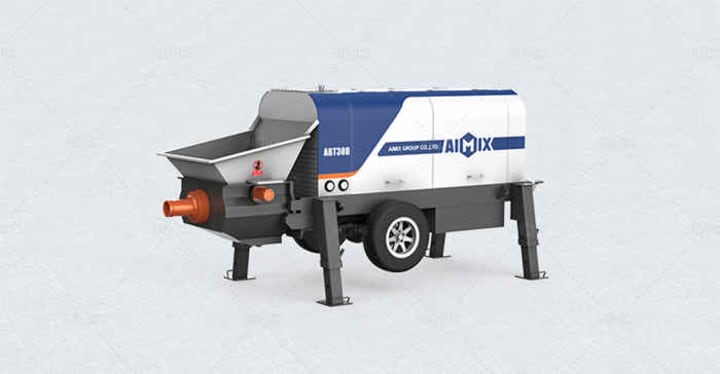
Trailer concrete pumps are essential machinery in the construction industry, used for efficiently transferring concrete to various locations on a construction site. These pumps are mounted on trailers, which provide the mobility necessary for reaching different areas of a site. Maintaining the trailer of a trailer concrete pump is crucial for ensuring the overall performance, safety, and longevity of the equipment. This comprehensive guide provides detailed information on how to maintain the trailer of a trailer concrete pump effectively.
Regular Inspection and Monitoring
Routine Inspections: Regularly inspect the trailer for any signs of wear, damage, or malfunction. Focus on the trailer’s frame, axle, wheels, and suspension system. Daily and weekly inspections help in identifying potential issues early and prevent costly repairs down the line.
Performance Monitoring: Pay attention to the trailer’s performance during operation. Unusual noises, vibrations, or handling difficulties can indicate underlying issues. Monitoring the trailer’s behavior helps in diagnosing and addressing problems promptly.
Tire Maintenance
Check Tire Pressure: Regularly check the tire pressure to ensure it meets the manufacturer’s specifications. Proper tire pressure is essential for safe and efficient towing and helps in extending tire life.
Inspect Tires for Damage: Examine the tires for signs of damage, such as cracks, cuts, or punctures. Replace any damaged tires to prevent accidents and maintain stability during operation.
Tire Rotation: Rotate the tires periodically to ensure even wear. This helps in prolonging the life of the tires and ensures consistent performance of the trailer.
Brake System Maintenance
Inspect Brake Pads and Discs: Regularly check the condition of the brake pads and discs. Worn or damaged brake components should be replaced promptly to ensure effective braking and safety.
Brake Fluid: Ensure that the brake fluid levels are adequate and top up if necessary. Replace the brake fluid according to the manufacturer’s recommendations to maintain optimal braking performance.
Check Brake Lines: Inspect brake lines for any signs of leaks or damage. Replace any damaged brake lines to prevent brake failure and ensure reliable braking.
Suspension System Care
Inspect Suspension Components: Regularly check the suspension system, including springs, shock absorbers, and bushings. Replace any worn or damaged components to maintain a smooth and stable ride.
Check for Misalignment: Ensure that the suspension system is properly aligned. Misalignment can lead to uneven tire wear and handling issues. Have the alignment checked and adjusted as needed.
Electrical System Maintenance
Inspect Wiring and Connectors: Regularly check the electrical wiring and connectors for signs of wear, corrosion, or loose connections. Faulty electrical components can lead to operational issues and safety hazards.
Test Electrical Components: Conduct periodic tests of electrical components, such as lights and indicators. Ensure they are functioning correctly and replace any faulty components promptly.
Protect Electrical System: Use weatherproof covers or enclosures to protect electrical components from weather conditions, especially if the trailer is used outdoors.
Frame and Structural Maintenance
Check for Structural Damage: Inspect the trailer’s frame and structure for any signs of damage, such as cracks or deformation. Address any structural issues promptly to prevent further damage and ensure the trailer’s integrity.
Rust and Corrosion Prevention: Regularly check for signs of rust and corrosion on the trailer’s frame and components. Use rust-inhibiting treatments and ensure proper painting to protect against corrosion.
Secure Fasteners: Regularly check and tighten any loose bolts, nuts, or fasteners. Ensuring that all components are securely fastened helps in maintaining the trailer’s stability and performance.
Hydraulic System Care
Check Hydraulic Fluid Levels: Regularly inspect the hydraulic fluid levels and top up as needed. Low hydraulic fluid levels can lead to reduced performance and potential damage to the hydraulic system.
Inspect Hydraulic Hoses and Connections: Examine hydraulic hoses and connections for signs of leaks, cracks, or wear. Replace any damaged hoses to prevent hydraulic failures and ensure efficient operation.
Maintain Hydraulic Fluid Quality: Ensure that the hydraulic fluid is clean and free from contaminants. Replace the hydraulic fluid as per the manufacturer’s recommendations to maintain optimal performance.
Cleaning and Maintenance
Regular Cleaning: Keep the trailer clean by removing dirt, debris, and concrete residues. Regular cleaning helps in preventing build-up that can lead to performance issues and damage.
Wash and Inspect: Wash the trailer thoroughly, especially after use in harsh conditions. Inspect for any damage or wear during the cleaning process.
Protective Coating: Apply protective coatings or treatments to parts of the trailer exposed to harsh conditions, such as chemicals or extreme weather. This helps in preventing corrosion and extending the trailer’s lifespan.
Operator Training and Safety
Proper Training: Ensure that operators are well-trained in the use and maintenance of the trailer concrete pump. Proper training helps in identifying and addressing issues effectively and reduces the risk of accidents.
Safety Protocols: Follow all safety protocols when operating and maintaining the trailer. This includes wearing appropriate personal protective equipment (PPE) and adhering to safe operating procedures.
Emergency Procedures: Familiarize yourself with emergency procedures in case of a malfunction or failure. Having a clear plan in place helps in minimizing downtime and ensuring a quick response to issues.
Documentation and Record-Keeping
Maintain Maintenance Records: Keep detailed records of all maintenance activities, including inspections, repairs, and parts replacements. This documentation helps in tracking the trailer’s performance and identifying recurring issues.
Service Manual: Maintain a copy of the service manual provided by the manufacturer. The manual contains valuable information about the trailer’s specifications, maintenance procedures, and troubleshooting guidelines.
Maintaining the trailer of a trailer concrete pump involves regular inspections, proper care of key components, adherence to maintenance schedules, and ensuring operator safety and training. By following these tips, operators can enhance the performance, reliability, and longevity of the trailer, contributing to the overall efficiency of concrete pumping operations. Regular maintenance not only reduces the risk of equipment failure but also ensures that the trailer operates at its best, providing consistent and reliable support for construction projects.
About the Creator
consrtuctionmachines
AIMIX is a customer-center-oriented heavy equipment manufacturer and supplier, devoted to production, innovation, combination, one-stop solution, etc.
https://aimixgroup.com/
Keep reading
More stories from consrtuctionmachines and writers in 01 and other communities.
Is a Concrete Batching Plant Worth the Cost? Analyzing Return on Investment
Investing in a concrete batching plant is a significant decision that requires careful consideration of various factors, particularly cost and potential return on investment (ROI). For construction companies, ready-mix suppliers, or large-scale project managers, the question often arises: Is a concrete batching plant worth the cost? To answer this, it's essential to analyze the initial investment, ongoing operational costs, and the long-term benefits that a concrete batching plant can provide. This article explores these aspects in detail to help determine whether the investment in a concrete batching plant is financially sound.
By consrtuctionmachinesabout a year ago in 01
Australia Thermal Camera Market Size & Forecast 2025–2033
Australia Thermal Camera Market: A Clear View into a Hot Technology The Australia Thermal Camera Market is entering a decisive growth phase as infrared imaging becomes a cornerstone of modern safety, automation, and surveillance. According to Renub Research, the market size is expected to reach US$ 137.6 million by 2033, up from US$ 80.69 million in 2024, registering a compound annual growth rate (CAGR) of 6.11% between 2025 and 2033. This steady expansion reflects a powerful combination of technological advancement, rising security needs, and the growing role of thermal imaging across industrial, healthcare, and public safety domains.
By Renub Research5 days ago in 01
App Development Cost in Delaware: A Practical Guide
So, you want to build an app in the First State? Welcome to 2026, where every "idea guy" thinks they need an LLM wrapper. You're probably staring at a blank spreadsheet wondering if you should sell your car to fund this.
By Samantha Blake3 days ago in 01
Smart phones, Humans and Aliens.
WARNING. I will be tapping into one of your favorite creative tensions: The absurdity of humans worshipping their glowing rectangles as if they were tiny oracles. There’s something deliciously poetic about that contradiction, and it lends itself beautifully to an instructive proviso.
By Novel Allen5 days ago in Poets




Comments
There are no comments for this story
Be the first to respond and start the conversation.