
Empowering Women Through Breast Self-Examinations: Defying the Controversy
Empowering Women Through Breast Self-Examinations: Defying the Controversy

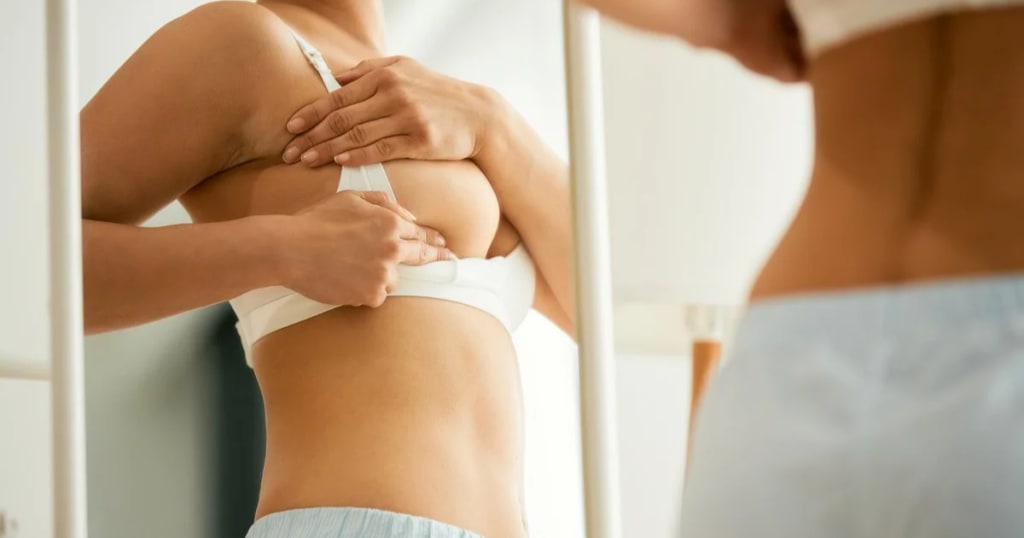
Breast cancer is one of the most prevalent cancers among women worldwide, affecting millions annually. According to the American Cancer Society, one in eight women will develop invasive breast cancer over the course of her lifetime. As a result, promoting early detection is crucial in reducing the mortality rate associated with this disease. One of the most effective tools for early detection is breast self-examination (BSE). Although the practice has been surrounded by controversy, recent research highlights its role in empowering women to take control of their health.
In this article, we will explore the benefits of breast self-examinations, dispel the myths surrounding them, and discuss how empowering women through this practice can save lives. Additionally, we'll look at how modern advancements in aesthetic treatments, such as medical tattooing for compromised skin, can help women reclaim their confidence after a breast cancer diagnosis and treatment.
The Importance of Breast Self-Examination
Breast self-examination involves a woman checking her breasts regularly for signs of abnormality, such as lumps, changes in size, or skin texture. This practice is typically recommended to be performed monthly, ideally after the menstrual period when breasts are least likely to be swollen or tender.
Detecting Changes Early
The goal of BSE is not to detect breast cancer at its earliest stages necessarily, but to identify any changes in the breast that may warrant further examination by a healthcare provider. According to the American Cancer Society, most breast lumps are benign (non-cancerous), but being aware of what’s normal for your body makes it easier to notice irregularities. By identifying these changes early, a woman can take the necessary steps toward diagnosis and treatment before cancer progresses.
Promoting Regular Awareness
Beyond detecting lumps, BSE can help women become more familiar with their bodies, which in turn encourages regular checkups with healthcare professionals. Regular breast self-examinations can also help women monitor any changes in the appearance of their breasts, such as skin dimpling, redness, or unusual discharge from the nipple. While these signs may not always be related to cancer, their presence warrants medical attention.
Despite the benefits, there is a longstanding debate about whether breast self-examinations are effective. Some research suggests that routine BSE may not significantly reduce mortality rates from breast cancer, but studies also show that women who are familiar with their breast tissue are more likely to detect lumps in the early stages when treatment options are more effective.
The Controversy Surrounding Breast Self-Examinations
The controversy around breast self-examination largely stems from studies published in the early 2000s, which suggested that BSE did not decrease the number of deaths from breast cancer. Additionally, concerns about false positives, unnecessary biopsies, and emotional distress for women have led some health organizations, such as the American College of Physicians, to de-emphasize BSE as a primary detection tool.
However, it is important to recognize that medical research is not static. Since those early studies, a more nuanced understanding of early detection techniques has emerged. Moreover, BSE is only one part of a comprehensive breast health strategy. Routine mammograms, clinical breast exams, and a general awareness of one’s body also play essential roles in the detection of breast cancer.
A Call for Empowerment, Not Fear
While medical experts may continue to debate the efficacy of BSE, it is crucial to consider the empowering effects of this practice on women. By taking charge of their health, women can foster a sense of control in the face of a potentially life-threatening disease. This empowerment is particularly significant in a world where women’s health issues are often underrepresented or stigmatized. Encouraging women to conduct breast self-exams fosters autonomy and strengthens the patient-physician relationship by promoting open conversations about breast health.
Combining Self-Examinations with Professional Guidance
Breast self-examination should never replace regular screenings or professional consultations. Mammograms, for example, remain a gold standard for early breast cancer detection, and regular check-ups with healthcare providers are vital for addressing concerns that arise during BSE.
Regular Mammograms and Clinical Breast Exams
While BSE can help women detect changes in their breasts, mammograms remain an essential part of breast cancer screening. The American Cancer Society recommends that women aged 40 and older undergo regular mammograms, while those with a higher risk may need to start earlier or undergo more frequent screenings. A clinical breast exam performed by a healthcare provider should also be included in a woman’s regular health check-up routine.
Together, these strategies create a multi-faceted approach to breast cancer detection, where women are encouraged to be proactive and aware, while also utilizing professional medical tools.
Medical Tattooing: Restoring Confidence After Breast Cancer Treatment
In addition to self-examinations and screenings, women who have undergone breast cancer treatment may face challenges in regaining their self-esteem due to the physical changes caused by surgery, chemotherapy, and radiation therapy. The effects on the skin—such as scars, stretch marks, or changes in the appearance of the areola—can take a significant toll on a woman’s body image. This is where medical tattooing comes into play.
The Role of Medical Tattooing for Compromised Skin
Medical tattooing, also known as paramedical tattooing or micropigmentation, is a specialized technique that uses pigments to restore the appearance of the skin after it has been altered due to surgery, burns, or other trauma. For women who have undergone mastectomies or other breast cancer treatments, this technique can be used to recreate the appearance of the nipple and areola, or to camouflage scars.
By carefully applying color to match the surrounding skin, medical tattooing can provide a more natural and aesthetically pleasing appearance. This can be a powerful tool in helping women feel whole again, especially after undergoing breast reconstruction or other significant treatments.
Areola and Scar Camouflage
A specific branch of medical tattooing that has gained attention in the breast cancer community is areola and scar camouflage. This procedure involves tattooing a pigment that mimics the natural color and texture of the areola, covering up scars that result from surgery. For many women, the loss of the areola can be emotionally difficult, making this restoration an important step in the recovery process.
Additionally, scar camouflage involves using tattooing techniques to blend surgical scars into the surrounding skin, making them less noticeable. These procedures can be a life-changing option for many women, helping them regain their self-confidence and feel more comfortable in their bodies post-treatment.
Empowerment Through Aesthetic Restoration
Medical tattooing offers more than just a cosmetic solution; it can have profound emotional and psychological benefits. After surviving breast cancer, many women face a difficult journey to restore their body image. Procedures like medical tattooing provide an avenue for these women to reclaim their identity and embrace their beauty after trauma.
Elevate You Studio is a leader in this field, offering specialized services to help women feel empowered through aesthetic procedures that enhance their natural beauty and promote healing.
Tips for Performing an Effective Breast Self-Examination
- Choose the Right Time: Perform your breast self-examination at the same time each month, preferably a few days after your period ends, when your breasts are least likely to be swollen or tender.
- Use Your Hands: Use the pads of your fingers (not your fingertips) to feel for lumps or changes in texture. Start at the outer edges of your breast and work your way inward, covering the entire breast.
- Check for Skin Changes: Look for any changes in the skin, such as redness, dimpling, or puckering, which could signal an underlying issue.
- Examine Your Nipples: Gently squeeze each nipple to check for any unusual discharge, which may be clear, yellow, or bloody.
- Be Consistent: Consistency is key when performing BSE. Regular self-exams help you become familiar with the normal texture of your breasts, making it easier to notice any changes.
- Consult a Healthcare Provider: If you detect any lumps, changes in skin texture, or other abnormalities, don’t hesitate to consult with your healthcare provider for further examination.
Conclusion
Breast self-examinations, despite their controversy, remain an essential tool for empowering women to take charge of their breast health. By combining self-awareness with professional screenings and consultations, women can maximize their chances of early detection and treatment. Additionally, advancements in medical tattooing offer women the opportunity to restore their confidence and feel whole again after breast cancer treatment. Ultimately, the power lies in empowering women with knowledge, resources, and support to navigate their breast health journey.
About the Creator
Elevate You Studio
My name is Gina, I am specialized in tattooing on compromised skin such as scars and stretchmarks to improve their appearance using the latest micro-pigmentation tattoo technique.
https://www.elevateyoustudio.com
Keep reading
More stories from Elevate You Studio and writers in 01 and other communities.
Top Tips for Minimizing Scars Post-Breast Reduction Surgery
Breast reduction surgery, or reduction mammoplasty, is a transformative procedure that can drastically improve both the aesthetic appearance and physical comfort of individuals with overly large breasts. However, like any surgical procedure, breast reduction comes with the potential for scarring. Understanding how to manage and minimize scars after surgery is critical for achieving the best possible cosmetic result and ensuring that your healing process goes smoothly. This article explores top tips for minimizing scars post-breast reduction surgery, with a particular focus on the role of medical tattooing in improving skin appearance.
By Elevate You Studio12 months ago in 01
5 Legitimate Crypto Recovery Companies
The cryptocurrency landscape in 2025 continues to evolve, with over $3.7 billion lost to scams, hacks, and fraud in 2024 alone, according to Chainalysis reports. While blockchain’s immutable nature makes reversal impossible, specialized recovery firms leverage forensic tracing, legal action, and law enforcement collaboration to retrieve stolen digital assets. This guide profiles five legitimate, established players in the crypto recovery space—not as endorsements, but as verified options with transparent operations, documented methodologies, and publicly reported outcomes. Success in recovery depends on timing, chain transparency, and jurisdictional cooperation. No firm guarantees results, and self-reported success rates should be viewed critically.
By Garry Oneal4 days ago in 01
When the Shelter Closes
Across the street from my house, a man slept under a tree, his dog by his side. My first, naive thought: he must be traveling through. But he kept coming back, often sleeping there during the day. Then it hit me—that person might not have a home.
By Bride of Sound3 days ago in Humans


Comments
There are no comments for this story
Be the first to respond and start the conversation.