
Emergency Preparedness: How Veterinary Hospitals Manage Critical Pet Care
How Veterinary Hospitals Manage Critical Pet Care

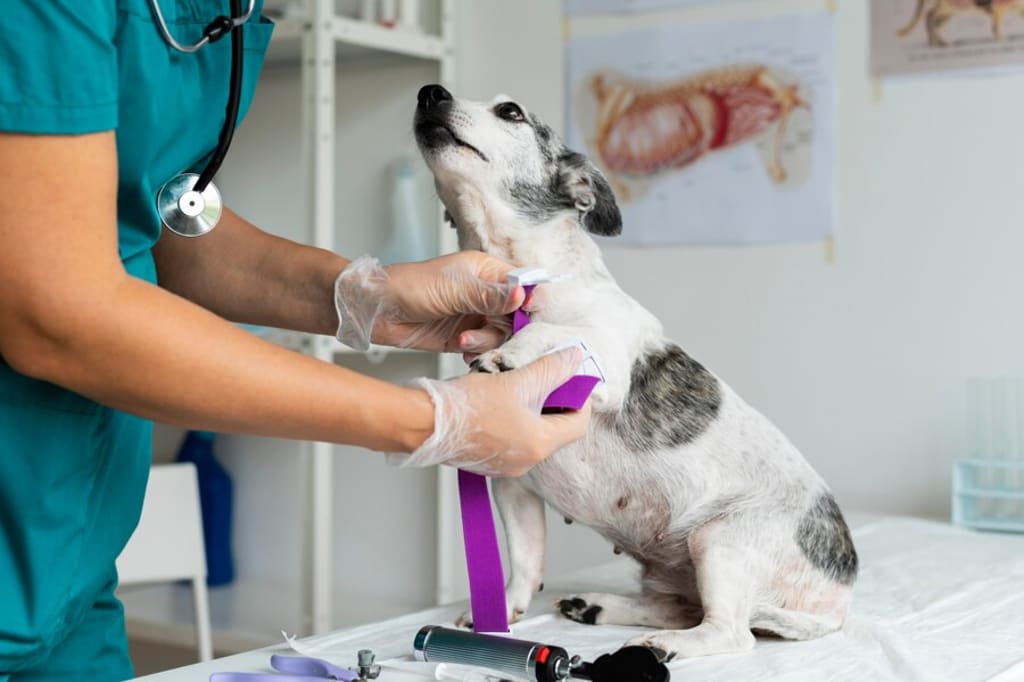
When your pet faces a life-threatening emergency, time is of the essence. Veterinary hospitals are equipped with the tools and expertise to provide critical care swiftly and efficiently. This blog will dive deep into how veterinary hospitals handle emergencies, the importance of their specialized services, and how you can prepare for a pet emergency.
Understanding Emergency Pet Care
Emergencies can happen at any time, often without warning. From sudden injuries to severe illnesses, knowing that a veterinary hospital can manage critical pet care gives pet owners peace of mind. Veterinary hospitals are different from regular vet clinics because they are equipped to handle more severe cases, offering a wide range of services under one roof.
The Role of a Veterinary Hospital in Emergencies
In an emergency, veterinary hospitals act fast to stabilize your pet. With advanced diagnostic equipment, specialized staff, and emergency services available 24/7, these hospitals can treat anything from trauma to poisoning and severe infections. They often have the ability to perform surgeries on the spot and provide around-the-clock monitoring and care.
What Makes Veterinary Hospitals Unique?
- 24/7 Availability: Veterinary hospitals typically offer 24-hour care, meaning your pet can receive emergency treatment at any time of day.
- Specialized Teams: From emergency veterinarians to critical care nurses, veterinary hospitals have specialized staff ready to jump into action when every second counts.
- Advanced Diagnostics: Veterinary hospitals are equipped with diagnostic tools like ultrasound machines, MRI scanners, and blood analysis equipment that can quickly determine the severity of an emergency.
- On-Site Surgery and Intensive Care: When immediate surgery or intensive care is required, a veterinary hospital is prepared to act.
Steps Veterinary Hospitals Take During an Emergency
During a pet emergency, a veterinary hospital follows a series of steps to ensure your pet receives the best care possible. Here’s how they manage critical care:
- Triage: The first step is triage, where veterinary staff assess the severity of your pet's condition. Life-threatening cases are prioritized and treated immediately.
- Stabilization: If your pet is in shock or experiencing severe symptoms, stabilization is the next crucial step. This may involve administering oxygen, fluids, or medication to regulate vital signs.
- Diagnosis: Once your pet is stable, the veterinary team conducts diagnostic tests to identify the underlying cause of the emergency. Tests may include blood work, X-rays, or ultrasound.
- Treatment or Surgery: After diagnosis, the hospital determines the appropriate treatment plan, which could include surgery, medication, or ongoing critical care. For surgical emergencies, the hospital will operate immediately, often in specialized operating rooms designed for pets.
- Ongoing Monitoring and Recovery: Post-treatment, veterinary hospitals provide continuous monitoring to ensure your pet is recovering properly. Pets that require intensive care receive around-the-clock attention in the hospital’s ICU.
Common Pet Emergencies Handled by Veterinary Hospitals
Veterinary hospitals are prepared for various emergencies. Here are a few common cases where they play a crucial role:
- Trauma: Injuries from car accidents, falls, or other traumas are often severe and need immediate intervention, including surgery or intensive care.
- Poisoning: Pets can ingest harmful substances, such as household chemicals or toxic foods, requiring rapid treatment to prevent further damage.
- Severe Allergic Reactions: Anaphylactic reactions can be life-threatening and require swift action to prevent shock or suffocation.
- Bloat (Gastric Dilatation-Volvulus): This is a life-threatening condition where the stomach fills with gas and twists, cutting off blood flow. Immediate surgery is often required.
- Seizures: Veterinary hospitals have the expertise to diagnose and manage seizures, which could result from poisoning, trauma, or neurological conditions.
- Respiratory Distress: Difficulty breathing can be a sign of serious illness, and veterinary hospitals have oxygen therapy and ventilators on-site to assist with breathing.
How to Be Prepared for a Pet Emergency
Knowing that emergencies can strike at any time, it's essential to be prepared. Here’s how you can ensure your pet gets the fastest care possible in an emergency:
- Know the Location of Your Nearest Veterinary Hospital: In an emergency, the last thing you want is to waste time searching for a hospital. Always know the location and contact information for your nearest 24/7 veterinary hospital.
- Have a Pet First-Aid Kit: A first-aid kit with items like gauze, antiseptic, and bandages can help you manage minor injuries or stabilize your pet before heading to the hospital.
- Know Your Pet’s Medical History: Keeping a copy of your pet’s medical records can be helpful in an emergency, especially if your regular veterinarian is unavailable.
- Stay Calm: Emergencies are stressful, but staying calm will help you think clearly and assist your pet without adding to their anxiety.
Frequently Asked Questions (FAQ) About Veterinary Emergency Care
Q: What should I do if my pet has ingested something poisonous?
A: If you suspect your pet has ingested a toxic substance, call your veterinary hospital immediately. They will advise you on what steps to take before bringing your pet in, such as inducing vomiting or keeping your pet calm.
Q: How do I know if my pet's situation is an emergency?
A: Any time your pet is in extreme distress, appears to be in pain, is unresponsive, or has suffered a traumatic injury, it's an emergency. It's always better to err on the side of caution and seek immediate care at a veterinary hospital.
Q: Can I visit my pet while they are in the hospital's intensive care unit (ICU)?
A: Policies vary, but many veterinary hospitals allow visitation in the ICU during certain hours. However, it's essential to minimize stress and disturbance to your pet and other animals receiving critical care.
Q: What should I bring with me to the veterinary hospital in an emergency?
A: Bring any relevant medical records if possible, but if you’re in a rush, don’t worry. The hospital will contact your regular veterinarian to gather your pet’s medical history. It’s also helpful to have details on the emergency event.
Q: How can I financially prepare for a pet emergency?
A: Veterinary emergencies can be costly. Consider pet insurance, which often covers emergency care, or setting aside a pet emergency fund to ensure that finances don’t hinder your ability to seek urgent care.
Conclusion
Veterinary hospitals are equipped to handle the most critical pet emergencies, providing life-saving care when every second counts. From advanced diagnostic tools to specialized surgical teams, these hospitals have the resources to manage a wide range of emergency situations. By being prepared and knowing where your nearest veterinary hospital is, you can ensure your pet gets the best possible care in an emergency.
About the Creator
Companion Animal Hospital
At Companion Animal Hospital, we provide compassionate and comprehensive veterinary care for your beloved pets. Located in the heart of Richmond, our animal hospital is dedicated to ensuring the health and well-being of your furry members.
Keep reading
More stories from Companion Animal Hospital and writers in 01 and other communities.
Your Pet’s Health Matters: A Guide to Finding the Best Animal Hospital in Richmond
As a pet owner, you want nothing but the best for your furry family members. Whether it’s routine checkups, vaccinations, or emergencies, finding the right animal hospital can make a world of difference in your pet’s health and well-being. But with so many options available, how do you know which animal hospital in Richmond is the best fit for your pet? This guide will walk you through everything you need to consider to make the best choice for your beloved companion.
By Companion Animal Hospitalabout a year ago in Petlife
Trump Obama Apes
Political discourse in the digital age often moves faster than facts, and few figures generate as much online reaction as Donald Trump and Barack Obama. Recently, searches involving the phrase “trump obama apes” have surged, largely driven by viral content, screenshots, and debates surrounding posts allegedly shared or amplified on Truth Social. The moment highlights how political messaging, interpretation, and social media outrage intersect in modern Trump news cycles.
By Saboor Brohi 2 days ago in 01
Top 5 Voice AI Agent Companies for Recruitment and Customer Support in 2026
In 2026, voice AI agents are transforming how businesses engage both candidates and customers. These intelligent voice systems, powered by advanced automatic speech recognition (ASR), natural language understanding (NLU), and real-time text-to-speech (TTS), are no longer simple IVR bots.
By Vitarag Shah4 days ago in 01
Writing About Writing: The Rainbow Trap
The good thing about living in modern times is that LGBTQ representation in media is increasing. Not just in niche and Independant media, either, but also in mainstream media. Books, movies, TV shows, comics... they're finally catching on that LGBTQ+ people form a significant part of their audience, and deserve to see themselves on screen and in fiction, not just as victims in documentaries and true crime shows.
By Natasja Rose5 days ago in Writers




Comments
There are no comments for this story
Be the first to respond and start the conversation.