
Elon Musk: The Visionary Who Redefined the Future
From Humble Beginnings to Transforming Industries, the Inspiring Journey of a Modern Innovator

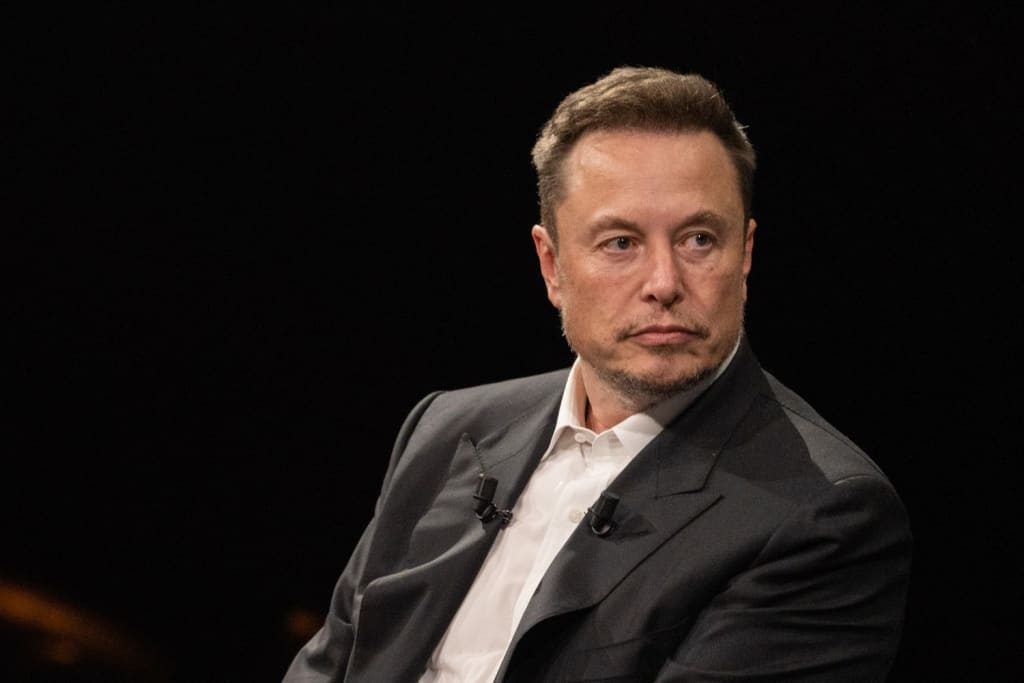
The Remarkable Journey of Elon Musk: From Humble Beginnings to World-Changing Success
Elon Musk is one of the most influential entrepreneurs and visionaries of the 21st century. As the driving force behind companies like Tesla, SpaceX, Neuralink, and The Boring Company, his journey from a curious child in South Africa to a globally celebrated billionaire is nothing short of extraordinary. Musk’s success is a testament to his resilience, innovative thinking, and relentless pursuit of the future. Here’s a closer look at how Elon Musk rose to prominence and shaped industries along the way.
Early Life and Education
Elon Musk was born on June 28, 1971, in Pretoria, South Africa. From a young age, Musk exhibited an insatiable curiosity about technology and the universe. By age 10, he taught himself computer programming and sold his first video game, Blastar, at just 12 years old.
Despite being introverted and often bullied as a child, Musk’s determination never faltered. After graduating high school, he moved to Canada in 1989 to attend Queen’s University and later transferred to the University of Pennsylvania. At Penn, he earned degrees in physics and economics, laying the foundation for his multifaceted career.
Early Entrepreneurial Ventures
After college, Musk briefly pursued a Ph.D. at Stanford University but dropped out after two days to capitalize on the burgeoning internet boom. His first company, Zip2, was founded in 1995 with his brother, Kimbal Musk. Zip2 provided city guides and business directories online, eventually attracting the attention of Compaq, which acquired the company for $307 million in 1999. Musk earned $22 million from this deal, his first major success.
Musk reinvested his earnings to co-found X.com, an online payment platform, in 1999. X.com eventually became PayPal after merging with another startup. In 2002, eBay acquired PayPal for $1.5 billion, giving Musk $165 million from the sale.
SpaceX: Revolutionizing Space Exploration
Armed with capital and a desire to solve humanity’s biggest challenges, Musk founded SpaceX in 2002 with the goal of reducing space exploration costs and making life multi-planetary. Despite facing numerous setbacks, including multiple rocket failures and financial strain, Musk persisted.
In 2008, SpaceX achieved a breakthrough when its Falcon 1 rocket became the first privately developed spacecraft to reach orbit. SpaceX continued innovating with projects like the Falcon Heavy and the Starship, paving the way for reusable rockets and commercial space travel. Notably, SpaceX became the first private company to send astronauts to the International Space Station in 2020.
Tesla: Transforming the Automotive Industry
Musk joined Tesla Motors (now Tesla, Inc.) in 2004 as an investor and chairman but quickly became its CEO. At a time when electric vehicles (EVs) were considered impractical, Musk envisioned a world where EVs could replace gasoline-powered cars. Tesla’s first car, the Roadster, debuted in 2008, demonstrating that electric vehicles could be both powerful and luxurious.
Under Musk’s leadership, Tesla introduced groundbreaking models like the Model S, Model 3, and Cybertruck, cementing its status as a global leader in EVs. Today, Tesla’s innovations extend beyond vehicles to energy storage and solar technology, furthering Musk’s vision of a sustainable future.
Other Ventures: Neuralink, The Boring Company, and OpenAI
Musk’s ambition extends beyond space and sustainable energy. He founded Neuralink in 2016 to develop brain-computer interface technology, aiming to merge human cognition with artificial intelligence. Similarly, The Boring Company, founded in 2017, seeks to revolutionize urban transportation by building underground tunnel networks to alleviate traffic congestion.
Musk also co-founded OpenAI, an artificial intelligence research lab, and has been a vocal advocate for ethical AI development. His ventures reflect a unique blend of futurism and practicality, always aiming to solve humanity’s most pressing problems.
Key Factors Behind Musk’s Success
Elon Musk’s journey is marked by several defining traits:
1. Visionary Thinking: Musk’s ability to envision and pursue groundbreaking ideas sets him apart from traditional entrepreneurs.
2. Resilience: Despite countless failures and financial setbacks, Musk’s unwavering determination has fueled his success.
3. Risk-Taking: Musk has repeatedly risked his personal fortune to fund ambitious ventures, showcasing his commitment to long-term goals.
4. Work Ethic: Known for his intense work schedule, Musk often works up to 100 hours a week to stay deeply involved in his projects.
Impact on the World
Elon Musk’s influence transcends industries. Through Tesla, he’s accelerated the global transition to renewable energy. SpaceX has rekindled interest in space exploration, bringing humanity closer to interplanetary travel. His ventures in AI, transportation, and technology continue to push boundaries, inspiring a new generation of innovators.
Conclusion
Elon Musk’s rise to success is a story of perseverance, innovation, and unrelenting ambition. From humble beginnings in South Africa to reshaping industries on a global scale, Musk proves that thinking big and working tirelessly can turn even the most audacious dreams into reality. As he continues to push the limits of what’s possible, Musk’s journey serves as a powerful reminder that the future belongs to those who dare to create it.
About the Creator
Design Principles Behind High-Trust Digital Wallet Application Solutions
Introduction Digital wallet applications have become a critical component of today’s digital payment ecosystem. From peer-to-peer transfers to online and in-store payments, users rely on eWallet applications to manage sensitive financial transactions securely. As adoption increases, trust has emerged as the most important factor influencing user acceptance and long-term usage.
By Nayel Basim Al Shehhi6 days ago in 01
If you Unfriend Someone on Snapchat, Will You Keep Your Streak?
Do you want to know what takes place whenever you unfollow someone on Snapchat? A lot of things can happen whenever you delete anyone on Snapchat. Consider again if you believed the only thing that transpired was that they were deleted from your list of friends.
By Intelligent Creator6 days ago in 01


Comments
There are no comments for this story
Be the first to respond and start the conversation.