
Design Principles Behind High-Trust Digital Wallet Application Solutions
A Practical Approach to Secure, Reliable, and User-Focused Payment Systems

Introduction
Digital wallet applications have become a critical component of today’s digital payment ecosystem. From peer-to-peer transfers to online and in-store payments, users rely on eWallet applications to manage sensitive financial transactions securely. As adoption increases, trust has emerged as the most important factor influencing user acceptance and long-term usage.
This article explores the core design principles behind high-trust digital wallet application solutions and explains how technology-driven decisions shape secure, reliable, and scalable payment platforms.
Understanding Trust in Digital Wallet Applications
Trust in digital wallet applications is built through consistent performance, secure transaction handling, and transparent system behavior. Users expect their financial data to remain protected while transactions are processed accurately and without delays.
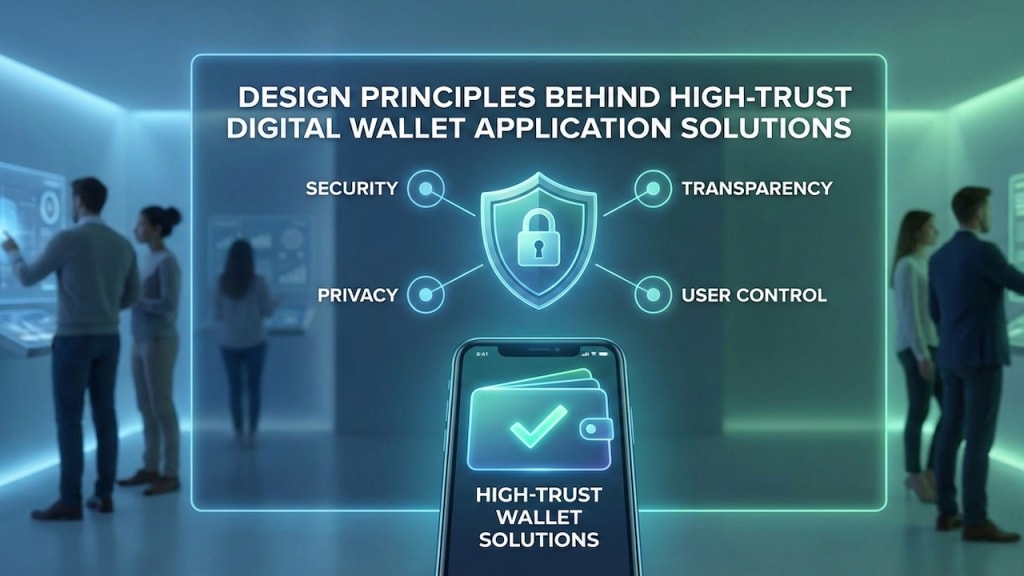
High-trust eWallet solutions focus on:
- Secure transaction workflows
- Data privacy and protection
- Reliable system availability
- Clear user controls
These elements form the foundation of user confidence in digital payment platforms.
User-Centric Application Design
Intuitive Interface Design
A well-structured and intuitive interface plays a significant role in building trust. Users should be able to navigate digital wallet applications easily, access balances, review transactions, and complete payments without confusion.
Clear layouts, logical flows, and consistent design patterns help reduce errors and improve usability.
Transparency in User Actions
Designing transparent user flows—such as visible transaction confirmations and status updates—helps users feel confident about their actions. Transparency reduces uncertainty and increases trust in the platform.
Secure Architecture as a Design Principle
Layered System Architecture
High-trust digital wallet solutions are built using layered architectures that separate application logic, data management, and security components. This structure improves system stability and limits the impact of potential vulnerabilities.
Secure Data Handling
Sensitive user information, including payment data and personal details, is protected through secure storage mechanisms. Proper separation of data layers ensures controlled access and reduces risk.
Authentication and Access Control Design
Strong User Verification
Authentication is a key design principle in Custom eWallet app development services. Secure login systems help verify user identity and prevent unauthorized access. Well-designed authentication flows balance security with user convenience.
Role-Based Access
Access control mechanisms ensure that system features and data are available only to authorized users. This design approach minimizes exposure and strengthens platform integrity.
Transaction Security and Reliability
Consistent Transaction Processing
Trustworthy digital wallet applications prioritize accurate and consistent transaction processing. Systems are designed to handle multiple transactions simultaneously without errors or data inconsistencies.
Secure Communication Channels
Encrypted communication channels protect data during transactions. Secure transmission ensures that financial information remains confidential throughout the payment process.
Performance and Scalability Design
Handling High Transaction Volumes
High-trust eWallet solutions are designed to perform reliably even during peak usage. Scalable system design allows applications to manage growing transaction volumes without performance degradation.
Low Latency and Fast Processing
Fast transaction processing improves user confidence. Applications designed for low latency reduce waiting times and enhance overall payment experiences.
Data Privacy and Compliance-Oriented Design
Privacy-First Approach
Digital wallet applications are designed with privacy considerations at every stage. Users are given control over their data visibility and usage, which reinforces trust.
Compliance-Aware Design
Designing systems that align with regulatory and security standards improves credibility. Compliance-focused architecture ensures responsible handling of financial data.
Monitoring, Logging, and System Visibility
Real-Time Monitoring
Continuous monitoring systems track application performance and transaction activity. This design principle enables early detection of anomalies and system issues.
Transparent Audit Trails
Well-designed digital wallet solutions maintain detailed logs of transactions and system actions. Audit trails improve accountability and simplify issue resolution.
Risk Management and Fraud Prevention Design
Preventive System Controls
Designing preventive controls helps reduce fraudulent activities. Intelligent system rules and behavior analysis improve platform safety without disrupting user experience.
Adaptive Risk Handling
Modern digital wallet solutions are designed to adapt to emerging threats. Flexible system design allows updates and improvements without major disruptions.
Cross-Platform Consistency
Unified User Experience
High-trust eWallet applications offer consistent experiences across mobile and web platforms. Unified design principles ensure reliability regardless of device or operating system.
Seamless System Integration
Designing systems that integrate smoothly with payment gateways, banking networks, and third-party services improves transaction success rates and system stability.
Challenges in Designing High-Trust Digital Wallet Solutions
Despite advancements, designers face challenges such as:
- Balancing security with usability
- Managing large-scale transaction data
- Protecting against evolving security threats
- Maintaining consistent performance
Strong design principles help address these challenges through thoughtful system planning and continuous optimization.
Future Outlook of Digital Wallet Design
The future of digital wallet application solutions will focus on stronger trust frameworks. Design priorities will continue to evolve toward enhanced security, improved transparency, and user-controlled privacy settings.
Emerging technologies will further support trust-driven design by improving automation, monitoring, and system intelligence.
Conclusion
Design principles play a crucial role in building high-trust digital wallet application solutions. From user-centric interfaces and secure architectures to reliable transaction processing and privacy-focused systems, every design decision contributes to user confidence.
As digital payments continue to grow, trust-driven design will remain essential for developing secure, scalable, and dependable eWallet applications.
About the Creator
Nayel Basim Al Shehhi
I am James Wood a Contest Writer works as a freelance content writer.
Keep reading
More stories from Nayel Basim Al Shehhi and writers in 01 and other communities.
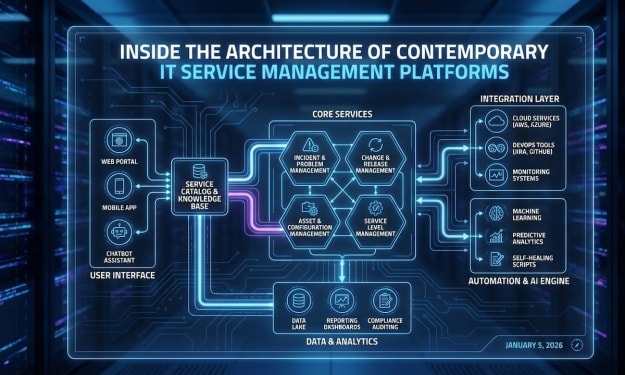
Inside the Architecture of Contemporary IT Service Management Platforms
Introduction As organizations increasingly rely on digital systems to operate efficiently, IT Service Management (ITSM) platforms have become a critical component of modern enterprises. These platforms help manage IT services, streamline workflows, and ensure consistent service delivery. Behind every effective ITSM solution lies a carefully designed architecture that integrates multiple technologies, processes, and systems.
By Nayel Basim Al Shehhi2 months ago in 01
Cutting Software Maintenance Costs by 30% in Long-Term Medical Device Lifecycles
In the fast-evolving healthcare technology landscape, medical device makers are under increasing pressure to deliver innovative, safe, and compliant solutions while keeping costs manageable over a product’s lifecycle. One of the biggest cost centers in long-term medical device operations is software maintenance—especially as devices become smarter, more connected, and driven by digital controls.
By Steve Waugh4 days ago in 01
Why Infrastructure as Code Is Becoming Standard Practice?
A decade ago, provisioning infrastructure often meant opening a ticket. An engineer would request a virtual machine. Operations would configure networking rules manually. Security would review firewall policies. Days or weeks later, the environment would be ready.
By Nick William5 days ago in 01



Comments
There are no comments for this story
Be the first to respond and start the conversation.