
Does Laser Tattoo Removal Cause Scars? Everything You Need to Know
Does Laser Tattoo Removal Cause Scars? Everything You Need to Know


For many people, tattoos are a meaningful form of self-expression, a way to mark significant moments in their lives. However, not every tattoo stands the test of time. Whether due to personal changes, fading ink, or regret, more and more people are turning to laser tattoo removal to help them erase or modify their tattoos.
But as with any procedure, the question on many minds is whether laser tattoo removal causes scarring. This article will explore this concern in depth, providing you with all the information you need to make an informed decision.
What is Laser Tattoo Removal?
Laser tattoo removal is a non-invasive procedure that uses high-intensity light to break up the ink particles beneath the skin's surface. The laser selectively targets the tattoo pigment, shattering it into smaller pieces that are then naturally eliminated by the body over time.
The success of this procedure depends on several factors, including the tattoo’s size, color, and location, as well as the type of laser used and the skill of the technician performing the procedure.
Does Laser Tattoo Removal Cause Scarring?
The short answer is that, under the right conditions, laser tattoo removal generally does not cause permanent scarring. However, there are several factors that can influence the risk of scarring. Let’s take a deeper dive into these factors.
1. Skin Type
Your skin type plays a significant role in determining how well your skin responds to laser tattoo removal. People with darker skin tones may be more prone to developing hyperpigmentation (darkened skin) or hypopigmentation (lightened skin) after laser treatments due to the way the laser interacts with melanin. For these individuals, there's a slightly higher risk of scarring, especially if the procedure is not tailored to their skin type.
On the other hand, fairer skin tones tend to respond better to laser tattoo removal, though they still require careful treatment to avoid skin damage.
2. Tattoo Size and Location
Larger tattoos and tattoos in more sensitive areas (such as over joints, near the face, or over scar tissue) may be more difficult to treat and require more laser sessions. This prolonged exposure increases the chance of side effects like scarring. Additionally, tattoos that are in areas with thinner skin or where the skin is more prone to damage may lead to complications during removal.
3. Technique and Equipment Used
The skill of the technician and the type of laser equipment used are crucial factors. Different types of lasers are available for tattoo removal, such as Q-switched lasers and picosecond lasers, each with their specific strengths. A well-trained and experienced technician will use the appropriate laser for your tattoo and skin type, ensuring the best possible outcome with minimal risk of scarring.
4. Aftercare
Aftercare following laser tattoo removal is critical in preventing scarring. The healing process typically takes several weeks, and it’s essential to follow your technician's advice. Failure to care for the treated area can lead to complications such as infection, irritation, and scarring. It's important to avoid sun exposure, keep the area clean, and use any prescribed ointments or creams to help promote healing.
5. Number of Sessions
Laser tattoo removal typically requires multiple sessions to fully break down the tattoo ink, with each session spaced out to give your skin time to heal. The more sessions you undergo, the more chances there are for potential complications, including scarring. However, with professional guidance and proper healing between sessions, this risk is minimized.
Can Laser Tattoo Removal Result in Permanent Scarring?
While the risk of scarring is present, it is relatively rare if the procedure is done correctly. Here’s why:
- Proper Treatment and Technology: Modern tattoo removal lasers are far more advanced than those of the past. For example, picosecond lasers use faster pulses to break down ink particles, reducing the heat damage to the surrounding skin. This results in less potential for scarring.
- Controlled Sessions: Skilled technicians understand the importance of spacing treatments and using the appropriate laser settings. Over-aggressive treatments are a common cause of scarring, so it’s crucial that your technician does not push for too many sessions too quickly.
- Healing Time: As mentioned, aftercare plays a significant role. Proper healing allows the skin to recover and regenerate, minimizing scarring risks.
What Happens If You Do Get a Scar?
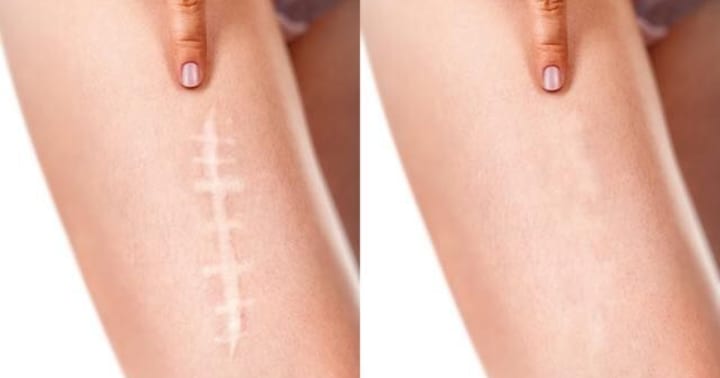
In the rare case that scarring does occur, it's important to remember that scars can sometimes be improved or camouflaged. Techniques such as medical tattooing or scar camouflage, which involves using tattoos to blend scars into the surrounding skin, can often improve the appearance of scar tissue. This is a relatively new, yet growing, field of tattooing known as medical tattooing or paramedical tattooing.
Medical tattooing is particularly useful for people with scars, whether from surgery, trauma, or stretch marks. This procedure can help make the skin look more uniform and aesthetically pleasing. For more information on this transformative technique.
Is Laser Tattoo Removal Suitable for Everyone?
Laser tattoo removal isn't for everyone, especially if you have certain health conditions or skin types that are more sensitive to laser treatments. Pregnant or breastfeeding women, individuals with certain autoimmune conditions, or those with active skin infections or rashes may not be ideal candidates for laser tattoo removal. It's important to consult with a medical professional before undergoing any tattoo removal procedure.
Can Tattoo Removal and Scar Camouflage Be Combined?
In some cases, individuals who have tattoo removal scars or other types of skin imperfections may benefit from combining tattoo removal with medical tattooing, or scar camouflage. This can be particularly helpful for those who are left with lighter skin patches or uneven pigmentation after tattoo removal. Combining the two techniques can improve the overall appearance of the skin, making it look more natural.
If you're considering combining both treatments, it's essential to work with a skilled practitioner who specializes in both tattoo removal and scar camouflage. They can advise you on the best course of action to achieve the smoothest, most aesthetically pleasing results.
What to Expect from Laser Tattoo Removal: A Summary
Laser tattoo removal is a generally safe and effective way to remove unwanted tattoos, but like any procedure, it comes with certain risks. Understanding these risks and working with a skilled technician can help minimize the chances of scarring. Here are the key takeaways:
- Risks are minimal with proper care: While scarring is possible, it’s rare with the right technique and care.
- Multiple sessions are required: Larger tattoos require more sessions, which means more healing time and a higher risk of complications if not properly managed.
- Skin type matters: People with darker skin tones may experience higher risks of pigmentation changes or scarring.
- Scar camouflage is a potential solution: If you do develop scarring, techniques like scar camouflage can help improve the appearance.
If you’re concerned about scarring or need more personalized advice, it’s crucial to choose a skilled practitioner. For those looking for more advanced treatments, such as scar camouflage, Elevate You Studio offers specialized services that can help improve the look of your skin post-treatment.
In conclusion, while laser tattoo removal can cause scarring in rare cases, it is a generally safe and effective procedure with a low risk of permanent damage when performed correctly. With proper aftercare and professional expertise, you can achieve excellent results and enjoy clear, healthy skin again.
About the Creator
Elevate You Studio
My name is Gina, I am specialized in tattooing on compromised skin such as scars and stretchmarks to improve their appearance using the latest micro-pigmentation tattoo technique.
https://www.elevateyoustudio.com
Keep reading
More stories from Elevate You Studio and writers in 01 and other communities.
Redefining Your Hairline: The Ultimate Guide to Scalp Micropigmentation
Alike to men and women, hair loss is a primary concern that hampers confidence and self-esteem and leads them in search of a remedy for the problem. Hair transplants have always been the greatest option available, but an innovative method that is less invasive has started gaining popularity: Scalp Micropigmentation (SMP).
By Elevate You Studioabout a year ago in 01




Comments
There are no comments for this story
Be the first to respond and start the conversation.