
Do Tinted Windows Reduce Fuel Usage by Lowering AC Load in San Antonio Cars?
How Window Tinting Cuts AC Use and Saves Fuel in San Antonio Cars
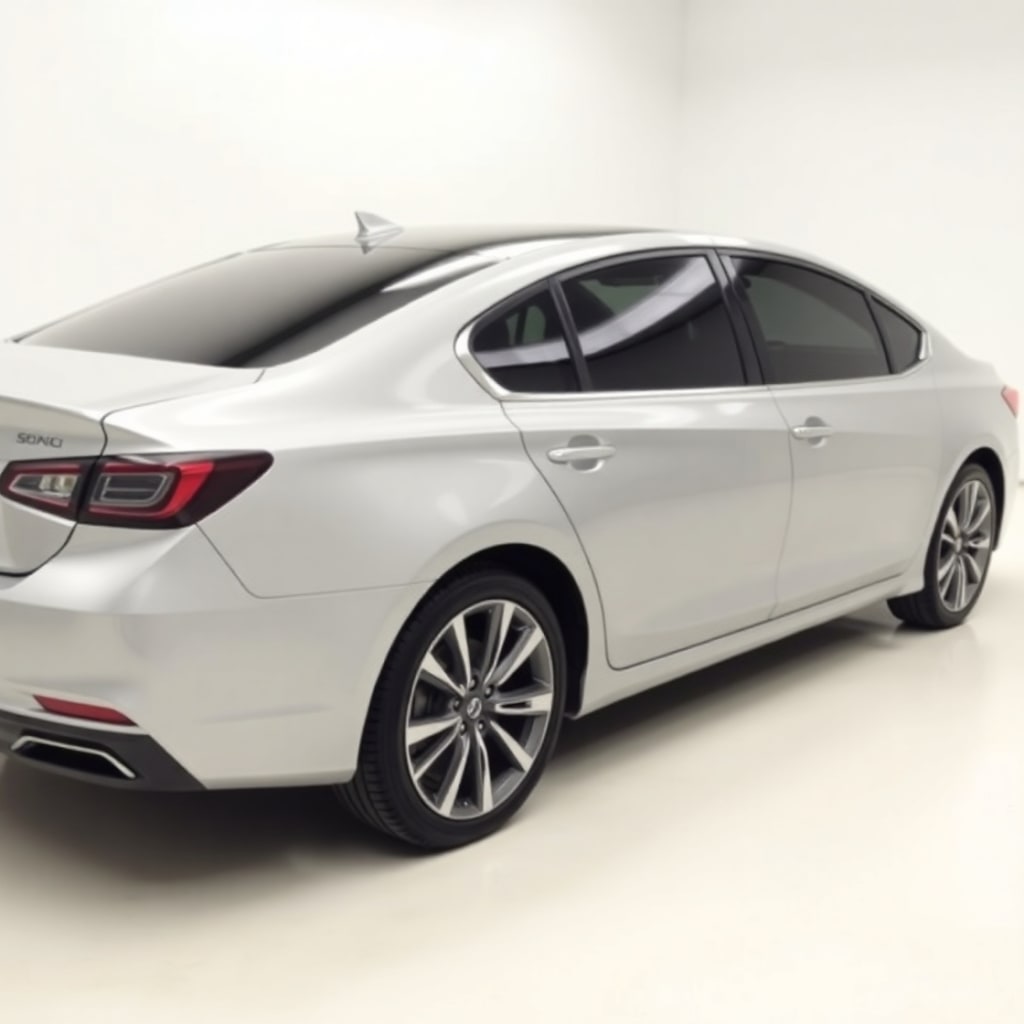
San Antonio summers are no joke—scorching heat, intense sunlight, and rising temperatures can turn your car into an oven within minutes. While air conditioning offers relief, it also adds to your vehicle’s fuel consumption. But what if there was a way to keep your car cooler and reduce fuel usage at the same time? This is where tinted windows come into play.
In this article, we’ll explore how tinted windows impact fuel efficiency by reducing the need for air conditioning in your car. We'll break down the science, present supporting data, and show why tinting is more than just a cosmetic upgrade—it's a smart, energy-saving choice for San Antonio drivers.
The Relationship Between AC Use and Fuel Consumption
Air conditioning systems in cars draw power from the engine. This means that every time your AC is running, your car uses more fuel. According to the U.S. Department of Energy, running your vehicle’s air conditioner can reduce fuel economy by up to 25%, especially during stop-and-go driving in hot climates like San Antonio.
This happens because the AC compressor relies on engine power. When outside temperatures soar, the AC system must work harder to keep the cabin comfortable. The result? More strain on your engine and increased fuel usage.
How Window Tinting Helps Reduce Cabin Heat
Window tinting works by blocking out solar energy—specifically ultraviolet (UV) and infrared (IR) rays that are responsible for heat buildup in your vehicle. High-quality automotive window tints can reject up to 60% of solar energy and 99% of harmful UV rays, significantly reducing the interior temperature.
By lowering the cabin temperature naturally, tinted windows reduce the reliance on air conditioning. The less you need to cool your car artificially, the less fuel you consume. It’s a win-win situation.
Scientific Data and Real-World Impact
Several studies and field tests have confirmed the connection between window tinting and fuel efficiency:
Lawrence Berkeley National Laboratory found that reducing solar heat gain with tinted or reflective glass can decrease interior temperatures by up to 11°C (20°F), leading to a 20–30% drop in AC energy demand.
A 3M study revealed that cars with window tint experienced up to a 47% reduction in cabin heat, resulting in significantly shorter AC cycles.
In practical terms, this means:
Shorter AC run times
Lower engine load
Improved fuel economy over time
While the improvement in fuel efficiency may vary depending on vehicle type and driving conditions, over the lifespan of a car, the savings can be substantial—especially for daily commuters in San Antonio’s relentless heat.
Tinted Windows and Comfort Benefits
Fuel savings aside, window tinting also offers enhanced comfort for drivers and passengers:
Cooler Starts: You’re less likely to face blazing hot seats and steering wheels after your car has been parked.
UV Protection: Tints block harmful UV rays that can cause skin damage and fade car interiors.
Glare Reduction: Safer, more comfortable driving conditions thanks to reduced glare from the sun or headlights at night.
Legal Tinting Limits in San Antonio
Before applying any window film, it’s important to stay compliant with Texas tint laws. For cars in Texas:
Front side windows must allow more than 25% of light in.
Back side and rear windows can be darker with fewer restrictions.
Windshield tint is only allowed on the top 5 inches (AS-1 line) and must be non-reflective.
Always consult with a professional tint installer who understands local laws and offers high-quality film options that balance performance and compliance.
Choosing the Right Tint for Maximum Efficiency
Not all tints are created equal. If fuel savings and comfort are your priority, opt for films designed specifically for heat rejection, such as:
Ceramic Window Tints: Known for their superior heat and UV-blocking abilities without interfering with electronics.
Carbon Window Tints: Offer decent heat reduction and a matte finish at a lower price point.
Crystalline Tints: High-end, multi-layered films that provide excellent heat rejection with high visible light transmission.
For those seeking both performance and aesthetics, professional car window tinting services ensure correct installation and long-term durability.
Conclusion
While it may seem like a small upgrade, window tinting plays a big role in keeping your car cool and reducing your AC usage—especially in a hot city like San Antonio. By minimizing interior heat buildup, tinted windows help your AC system work less, translating into better fuel efficiency, lower emissions, and long-term savings.
If you’re looking to make your vehicle more energy-efficient and comfortable, investing in high-quality window tinting is a smart and practical decision. It’s not just about style—it’s about performance, savings, and sustainability.
About the Creator
Keep reading
More stories from Ridge Druilhet and writers in 01 and other communities.
How Window Tinting Can Improve Sleep Quality in Bedrooms
Sleep is one of the most critical aspects of our overall health and well-being. Yet, many people struggle to achieve restful sleep due to external factors like light pollution, heat, and glare. If you’re a homeowner in San Antonio, you might be surprised to learn that home window tinting can be a game-changer for improving sleep quality in your bedroom. In this article, we’ll explore how window tinting works, its benefits, and why it’s an excellent investment for your home.
By Ridge Druilhet10 months ago in 01
Jeff Bezos’ Amazon takes on Starlink as Africa’s biggest telecom market expands satellite internet options
Nigeria, Africa’s largest telecom market, is opening its skies to more satellite internet providers as Amazon LEO, the tech giant’s low-Earth orbit (LEO) satellite network, secures approval to operate across the country.
By Dena Falken Esq6 days ago in 01
Questions to Ask Before Hiring Professional Congress Organisers (PCOs)
Hiring the right event partner can be the difference between a well-run congress and a stressful, overcomplicated experience. Large-scale conferences, association meetings, and international congresses involve far more than venue booking and logistics. This is where Professional Congress Organisers (PCOs) play a critical role.
By Meeting Media3 days ago in 01



Comments
There are no comments for this story
Be the first to respond and start the conversation.