
DoJ Indicts 5 Individuals for $866K North Korean IT Worker Scheme Violations
DoJ recently indicted five individuals for their involvement in a fraudulent IT.


Introduction: The Ongoing North Korean IT Worker Scheme
The U.S. Department of Justice (DoJ) recently indicted five individuals for their involvement in a fraudulent IT worker scheme designed to generate revenue for North Korea (DPRK) while violating international sanctions. The accused include two North Korean nationals, Jin Sung-Il and Pak Jin-Song, a Mexican national, Pedro Ernesto Alonso De Los Reyes, and two U.S. citizens, Erick Ntekereze Prince and Emanuel Ashtor. The arrest of Alonso, in the Netherlands in January 2025, was the latest action taken against those allegedly involved in this ongoing operation.
Charges Against the Defendants
The individuals are facing serious charges, including conspiracy to damage protected computers, commit wire fraud, commit mail fraud, launder money, and transfer false identification documents. Jin and Pak have also been charged with conspiracy to violate the International Emergency Economic Powers Act. If convicted, each defendant could face up to 20 years in prison. This legal action is part of the broader effort by the U.S. government to disrupt the North Korean IT worker scheme that has been using fraudulent identities to gain remote IT positions within U.S. companies.
Details of the Scheme: Fraudulent Identities and Remote Work Deception
Between April 2018 and August 2024, the defendants allegedly obtained remote IT work from at least sixty-four U.S. companies. Payments from at least ten of these companies totaled $866,000, which was laundered through Chinese bank accounts. The indictment highlights specific instances of fraud, such as Jin using Alonso’s identity to secure a job in June 2021, earning $120,000 annually. This fraudulent activity also involved the creation of laptop farms and the installation of remote access software to deceive employers into believing that remote workers were based in the U.S., when in reality, they were operating from China and Russia.
The Role of Laptop Farms and Remote Access Software
Ashtor, a resident of North Carolina, is accused of running a laptop farm where company-provided laptops were used to make it appear that remote workers were located in the U.S. However, these laptops were accessed remotely from locations in China and Russia. Ntekereze and Ashtor allegedly installed unauthorized remote access software, like AnyDesk and TeamViewer, on the laptops to facilitate this scheme. This method allowed the North Korean operatives to continue their fraudulent work while evading detection by U.S. companies.
Money Laundering and Use of Online Payment Platforms
To conceal the illicit profits generated from this operation, the defendants used various money laundering methods. Ntekereze utilized his company, Taggcar Inc., to invoice a U.S. staffing company for IT work performed by Jin, who was pretending to be Alonso. The total invoiced amount was $75,709, and a portion of the payment was transferred to an online payment platform in Alonso's name. This allowed the perpetrators to funnel money through various channels while maintaining a veil of legitimacy.
North Korea’s Broader Strategy: Revenue Generation and Sensitive Data Access
The larger goal behind this scheme appears to be North Korea’s effort to generate revenue for the regime through high-paying IT jobs while also gaining access to sensitive data. By infiltrating U.S. companies and other global firms, North Korean operatives can earn significant salaries, which are funneled back to the regime. Additionally, this strategy allows North Korea to acquire proprietary documents, which could be exploited for financial gain or further political leverage.
The FBI’s Warning: Data Extortion and Cyber-Criminal Activities
The FBI has issued multiple advisories regarding the activities of North Korean IT workers, emphasizing that these operatives are often involved in cybercrime beyond fraud. According to the FBI, North Korean IT workers have been known to extort sensitive company data, holding it hostage until ransom demands are met. In some cases, they have publicly released stolen proprietary code. Other methods include stealing company code repositories and attempting to harvest company credentials to access systems remotely. These activities highlight the growing cybersecurity risks posed by North Korea's involvement in the global IT job market.
Global Reach: North Korean IT Workers Targeting Companies Worldwide
This scheme is not confined to the U.S., as reports from global cybersecurity firms like Nisos show that Japanese companies have also fallen victim to North Korean IT workers. One such worker, identified by the alias "Weitao Wang," has worked for several Japanese companies since 2023. These operatives create convincing digital personas, including GitHub accounts and fake resumes, to appear legitimate. These actions make it more difficult for companies to spot fraudulent workers, increasing the risk of exposure to cyber threats.
Digital Deception: Creating Fake Identities to Secure Employment
North Korean IT workers have been using a range of tactics to create fake identities and gain employment at legitimate firms. These tactics include creating fake resumes, building professional profiles on freelance websites, and using stock images to construct their online personas. In some cases, workers assume multiple identities and apply for various roles across different companies. These deceptions help them infiltrate organizations and conduct malicious activities without being detected.
The Need for Enhanced Cybersecurity Measures
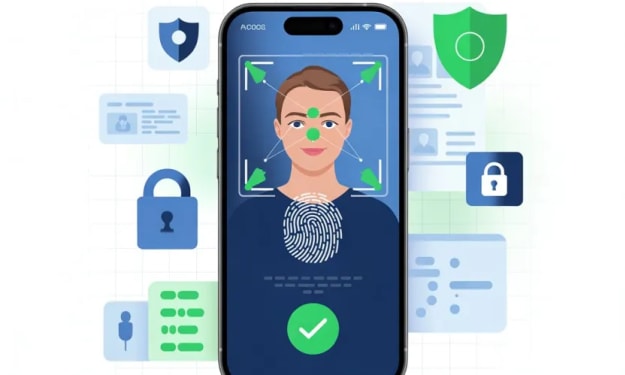
As North Korean operatives continue to use fraudulent tactics to infiltrate global networks, businesses must enhance their cybersecurity practices to prevent data theft, extortion, and fraud. This includes verifying the identities of remote workers, monitoring network activity, and implementing strict controls over remote access software. With the increase in cybercrime tied to state-backed actors, it is essential for companies to stay vigilant and implement robust defenses to protect sensitive data.
Conclusion: The Ongoing Fight Against Cybercrime and State-Sponsored Attacks
The U.S. government's ongoing efforts to disrupt North Korea’s cyber operations represent an important step in combatting state-sponsored cybercrime. The indictment of the five individuals involved in the IT worker scheme serves as a reminder of the persistent threats that businesses and governments face in the digital age. As the threat of cyber extortion, data theft, and espionage continues to grow, the need for stronger cybersecurity measures has never been more critical. The investigation is ongoing, and further arrests and legal actions may follow as the U.S. government continues its pursuit of North Korean operatives involved in cybercrime. As the digital landscape continues to evolve, companies around the world must remain vigilant and adopt effective security measures to protect themselves against the growing threat of cyber infiltration.
About the Creator
WIRE TOR - Ethical Hacking Services
WIRE TOR is a Cyber Intelligence Company that Provides Pentest & Cybersecurity News About IT, Web, Mobile (iOS, Android), API, Cloud, IoT, Network, Application, System, Red teaming, Social Engineering, Wireless, And Source Code.
Keep reading
More stories from WIRE TOR - Ethical Hacking Services and writers in 01 and other communities.
TalkTalk Investigates Breach After Data for Sale on Hacking Forum
UK telecommunications company TalkTalk is investigating a potential data breach involving one of its third-party suppliers, after a threat actor began selling what they claim is TalkTalk customer data on a hacking forum.
By WIRE TOR - Ethical Hacking Services12 months ago in 01
Why the United States Stepped Back from Confrontation with Iran: A 360° Geopolitical Analysis
Introduction In the long and turbulent history of US–Iran relations, moments of escalation have often brought the world to the brink of war. From the Iranian Revolution of 1979 to the sanctions era of the 2010s, and through the proxy conflicts simmering across Iraq, Syria, Lebanon, and Yemen, the tension between Washington and Tehran has become a defining feature of Middle Eastern geopolitics. Yet, despite decades of hostility, every cycle of confrontation has also produced unexpected decisions of restraint.
By Muhammad Islam khan swati2 days ago in 01
What Is Identity Verification in Cybersecurity?
Identity verification in cybersecurity is the process of confirming that a user, device, or system is genuinely who or what it claims to be before granting access to digital resources. As cyber threats continue to grow in complexity, identity verification has become a foundational element of modern cybersecurity strategies, helping organizations protect sensitive data, systems, and users from unauthorized access and fraud.
By Amir Hamza2 days ago in 01



Comments (1)
That’s good! Well written, great job