
Do I Need 4 Channels on a DJ Controller?
How can they benefit you?
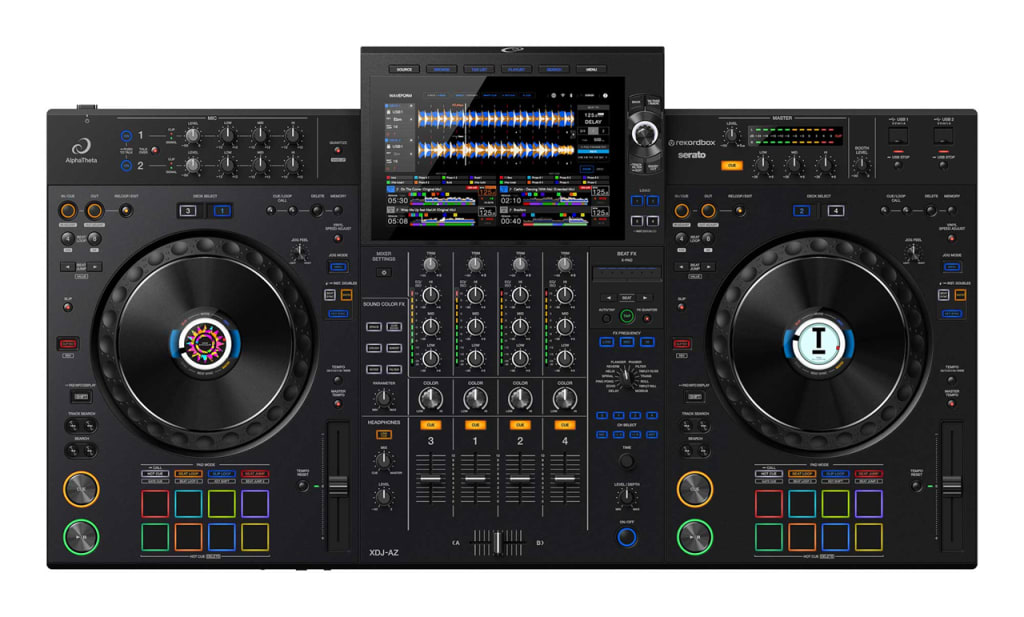
When deciding whether you need 4 channels on a DJ controller, it largely depends on your DJing style, the level of complexity you seek, and the kind of performances you wish to deliver. Many beginners and hobbyists find 2 channels sufficient, but as you progress, especially into professional-level mixing, 4 channels offer a broader range of possibilities.
Understanding Channels on DJ Controllers
DJ controllers come in different configurations, with the number of channels being one of the most crucial distinctions. Channels on a DJ controller correspond to the number of audio sources (such as tracks, loops, or samples) you can mix simultaneously. Each channel has its own fader, EQ, and effects control, allowing you to blend various audio elements together.
- 2-Channel DJ Controllers: These are common for beginner setups. You have access to two decks (or channels), which means you can mix two tracks simultaneously. For most basic performances, this works fine. With only two channels, you can create fluid setups while transitioning between tracks or adding small effects.
- 4-Channel DJ Controllers: With 4 channels, DJs can manage more complex mixes. You can have two tracks running and mix in additional layers, such as loops, effects, or a third or fourth track. This setup is ideal for DJs who want to explore live remixing, layering acapellas, or experimenting with different sound textures during performances.
Do You Need 4 Channels?
Whether you need a 4-channel controller depends on your personal DJing goals. If you’re focused on straightforward, two-track mixing or just getting started, a 2-channel controller may suffice. However, as you grow more skilled and want to introduce more elements into your sets, 4 channels offer greater flexibility.
Key scenarios where 4 channels are beneficial:
- Complex Layering: Want to drop vocal samples, drum loops, or synths while mixing two main tracks? Four channels make this effortless.
- Live Remixing: If you're a DJ who likes to create live mashups or blend multiple genres and sounds together, a 4-channel setup lets you achieve this in real-time.
- Multisource Mixing: For DJs using multiple sources like turntables, external audio devices, or samplers, 4 channels allow seamless integration and control over various elements at once.
AlphaTheta XDJ-AZ: A Perfect Example
One of the latest releases in the DJ controller market, the AlphaTheta XDJ-AZ, offers 4-channel functionality for DJs looking to step up their game. This controller is designed for advanced performances with a wide range of features tailored for creativity and complex setups. It boasts large jog wheels, robust performance pads, and high-quality effects that make it an excellent choice for DJs who want more control over their mix.
The AlphaTheta XDJ-AZ is ideal if you’re looking to build a dynamic set, introducing layers of sound and effects to elevate your performance. Its 4 channels make it perfect for DJs who prefer to blend multiple tracks and elements simultaneously, allowing for seamless transitions and live remixing.
Conclusion
If you are just starting out, a 2-channel DJ controller might be enough to meet your needs. But if you aspire to push your DJing skills, experiment with more advanced techniques, or perform live with multiple audio elements, a 4-channel controller can significantly enhance your creativity and flexibility. The AlphaTheta XDJ-AZ is an excellent option for DJs looking for a powerful and feature-rich 4-channel controller, setting a new standard for advanced performances.
In summary, the decision to go for 4 channels ultimately depends on how much control you want over your mixes and the depth of performance you aim to achieve.
About the Creator
Keep reading
More stories from Craig Upton and writers in 01 and other communities.
SEO Strategies for Small Business Empowerment in the UK
In the vibrant tapestry of the United Kingdom's business ecosystem, small enterprises emerge as the vanguard of innovation, resilience, and entrepreneurial spirit. Yet, amidst the complexities of the digital landscape, the pursuit of visibility and relevance remains a formidable challenge. In this article, we delve into the transformative role of search engine optimisation (SEO) in empowering small businesses across the UK to thrive and flourish in an ever-evolving digital world.
By Craig Upton2 years ago in 01
Personalization Engines in Mobile Apps 2026 Guide
The gap between a useful app and an essential one is now clear. In 2026, it is defined by how well software anticipates user needs. Generic experiences lead to high churn. Data from 2025 showed a clear trend. Apps using real-time behavioral personalization saw 3.2x higher retention rates. This is compared to apps that used static segmentation. This guide is for product managers and developers. It helps you move beyond basic "Hi Name" messaging. You will learn deep, intent-based personalization.
By Devin Rosario4 days ago in 01
Road Bike Tire Pressure Explained: Width, Weight, and Surface
Riders often focus on gears and frames. Tire pressure matters just as much. A small change in air level can affect speed, comfort, and safety. Many cyclists guess the number and hope it works. That guess can cost performance.
By Talha Zulfqarabout 9 hours ago in 01




Comments